
I am struck by the resonance of this notion of asphyxiation, of debilitation as asphyxiation, which makes sense not just to think about debilitated populations in the United States and Palestine/Israel, but also other populations too, in spaces ruled, albeit in different ways, by the logics of neo-liberal capitalism and biopolitical security.

Attending, caring, and listening may seem like small practices in light of the monumental challenges we face today. But it is through this everyday work that we are to discern and pursue a new common life.

Compassion and solidarity make for a powerful bond between God and humanity.

The story of the Resurrection of Jesus Christ is the foundational memory of Christianity. It is a story that not only tells of God’s power over death and the fragility of the empire’s power over life, but also demands that all perspectives be heard, in a grand cacophony of voices, all in common song, singing of the impossible mystery: Jesus is risen, indeed.

Our modest proposal is for those of us who work in political theology to listen to the Americas and to do so, insofar as possible, ethnographically.

Rooted to the spot after the Ascension, the disciples needed to be told, not primarily what to think, but what to do.
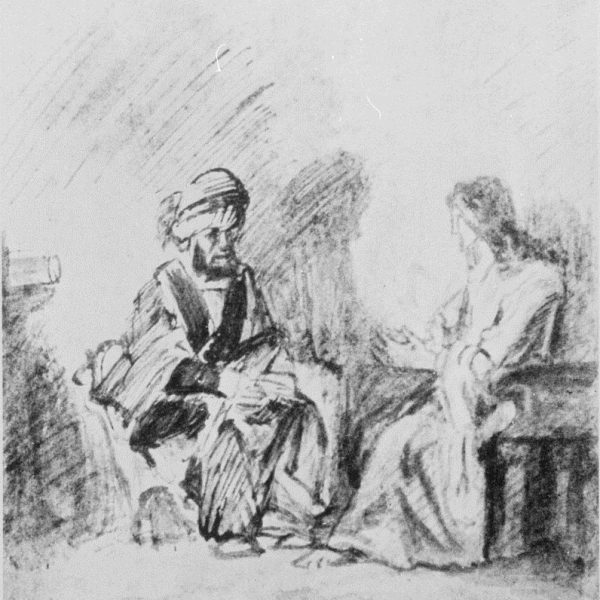
To understand the meaning of John 3:16, we must reject the popular image of a docetic Jesus.
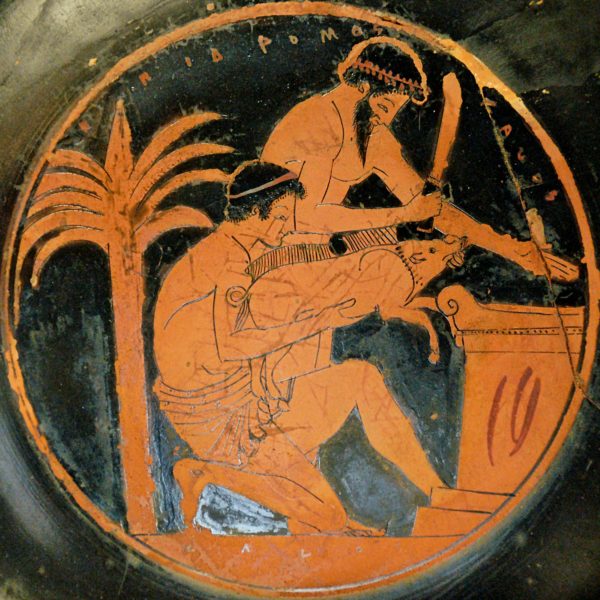
True worship has little to do with the ‘commodification’ of liturgy; it has everything to do with the performative embodiment of God’s redemptive narrative through justice, mercy and fidelity.


Jesus’ statement ‘You always have the poor with you, but you do not always have me’ could easily be regarded as a shrug of the shoulders in the face of the enduring problem of poverty. However, closer examination of the context of the statement in John’s gospel reveals a more compelling picture.

Although the parable is typically referred to as that of ‘the Prodigal Son’, the son who receives the father’s welcome has long since fallen from his state of prodigal living into one of the most abject poverty and lack. This father’s loving embrace challenges us to consider our provision of welfare and welcome to those in need among us, irrespective of how ‘deserving’ we might suppose them to be.
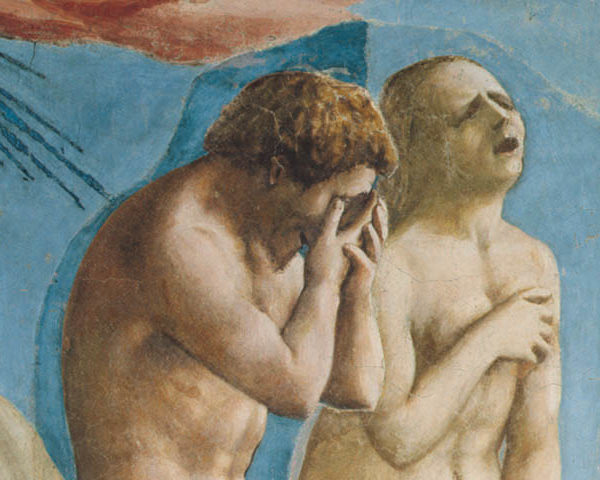
In the first volume of Capital, Marx writes: ‘Englishmen, always well up in the Bible, knew well enough that man, unless by elective grace a capitalist, or landlord, or sinecurist, is commanded to eat his bread in the sweat of his brow, but they did not know that he had to eat daily in his bread a certain quantity of human perspiration mixed with the discharge of abscesses, cobwebs, dead black-beetles, and putrid German yeast, without counting alum, sand, and other agreeable mineral ingredients’.