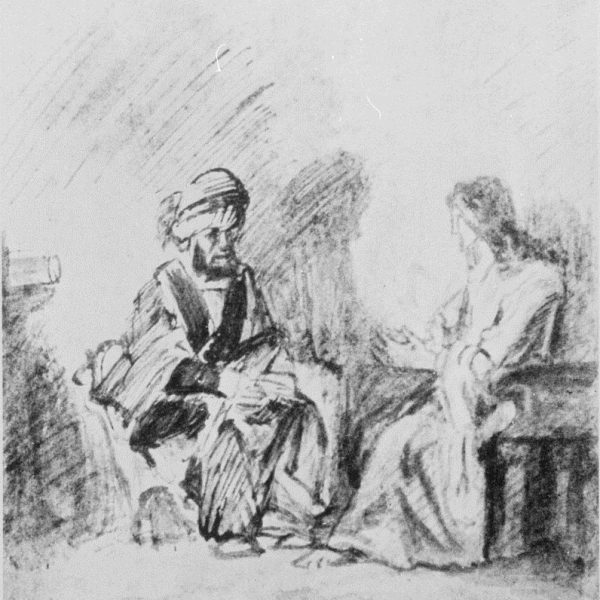
To understand the meaning of John 3:16, we must reject the popular image of a docetic Jesus.
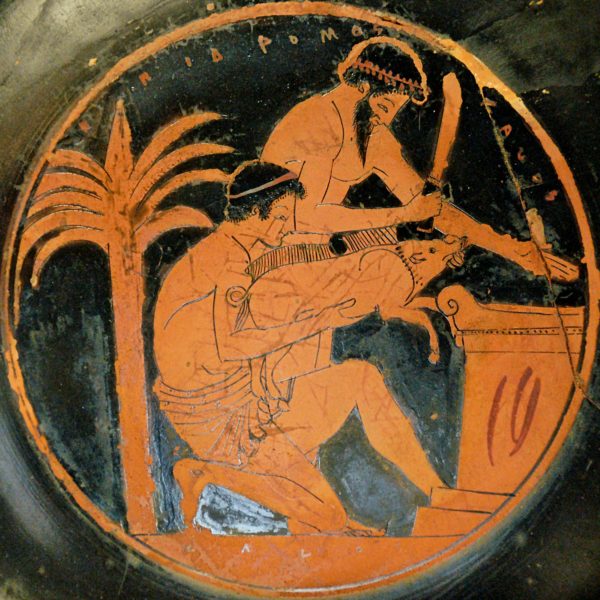
True worship has little to do with the ‘commodification’ of liturgy; it has everything to do with the performative embodiment of God’s redemptive narrative through justice, mercy and fidelity.


Jesus’ statement ‘You always have the poor with you, but you do not always have me’ could easily be regarded as a shrug of the shoulders in the face of the enduring problem of poverty. However, closer examination of the context of the statement in John’s gospel reveals a more compelling picture.
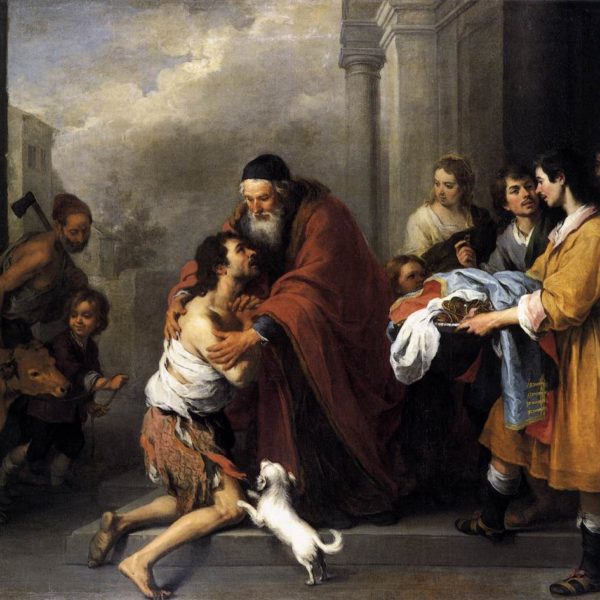
Although the parable is typically referred to as that of ‘the Prodigal Son’, the son who receives the father’s welcome has long since fallen from his state of prodigal living into one of the most abject poverty and lack. This father’s loving embrace challenges us to consider our provision of welfare and welcome to those in need among us, irrespective of how ‘deserving’ we might suppose them to be.
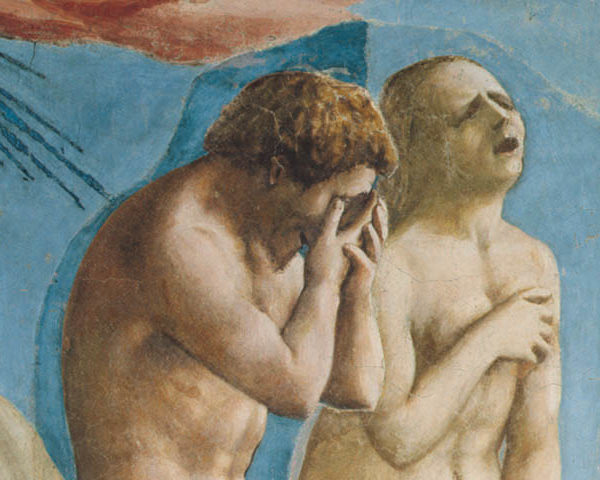
In the first volume of Capital, Marx writes: ‘Englishmen, always well up in the Bible, knew well enough that man, unless by elective grace a capitalist, or landlord, or sinecurist, is commanded to eat his bread in the sweat of his brow, but they did not know that he had to eat daily in his bread a certain quantity of human perspiration mixed with the discharge of abscesses, cobwebs, dead black-beetles, and putrid German yeast, without counting alum, sand, and other agreeable mineral ingredients’.
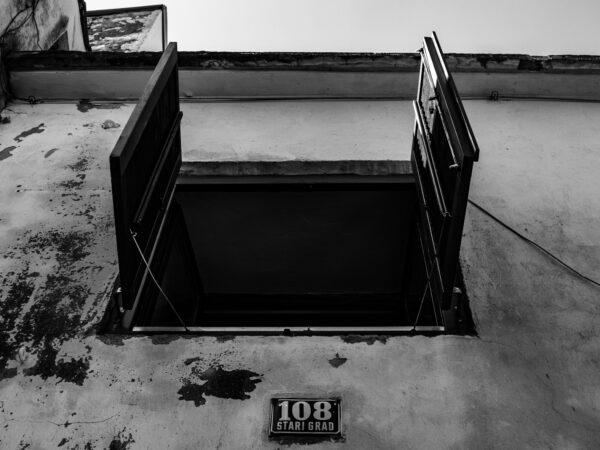
Saving ourselves is not about creating an escapist bubble of churchly naivety while the world crumbles around us…

Whose job is it to praise God? Does praise require language or agency? Psalm 148 answers these questions in surprising ways, relativizing human uniqueness and inviting its readers to view themselves as part and parcel of the larger cosmic community of praise.

The democratic experiment of the last few hundred years is itself simply a promise: that a people can make decisions on how to live together.

What would change for us if we truly started to see Jesus in each and every creature who comes to our table, as if each were an honored guest?
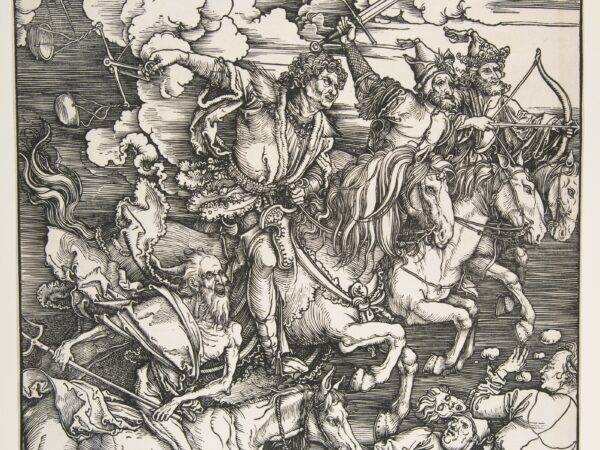
In the Hebrew Bible, the destruction of Jerusalem and other cities is sometimes projected onto the cosmos. The destruction is taken more literally in apocalyptic literature of the Roman era. Destruction is not the end, but a prelude to a new creation (with one notable exception).