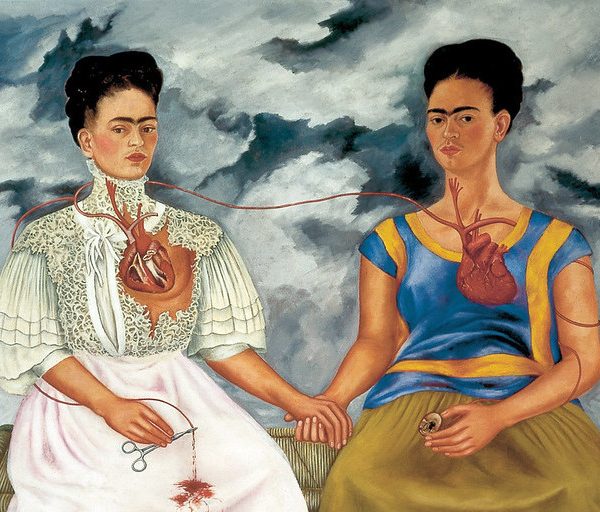
An epidemiology of critique investigates our work as genealogists by taking it too literally. It exaggerates, satirically, the materiality of genealogy’s metaphor and clarifies, sincerely, how it structures critique’s politics—its predisposition to quarantine, purge, and escape.
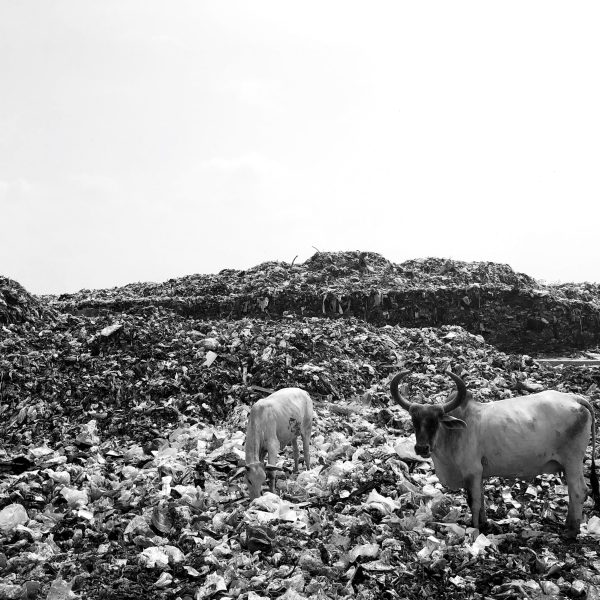
We need to recognize that whether we like it or not, the global community is in this crisis together. Our survival depends on learning to share the abundance we have—our natural and financial resources, as well as scientific expertise and creativity—in the fight to combat climate change.
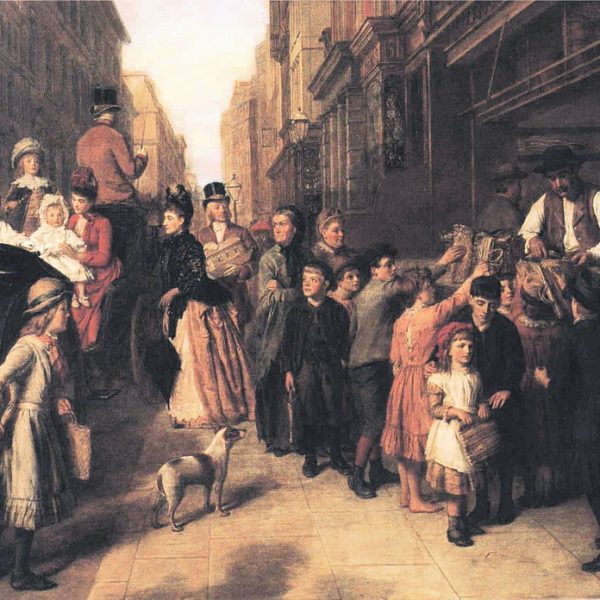
How is the riven social body, with its divisions between poor and rich, to be healed?
I have hopes that a more “religionless” but publicly engaged Christianity is possible.
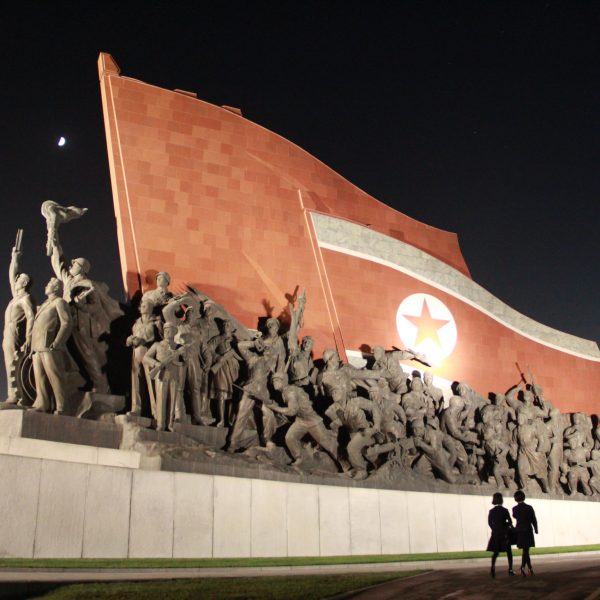
Our position is that recourse to armed force can only be justified as a last resort.

Epiphany is a story of a baby who, in the time of King Herod, despite all the principalities and powers that continue to overpower and oppress in our world, offers a different hope.

In Deuteronomy 34, Moses ceases to be the leader of Israel. He is brought to the top of Mount Nebo, to look over the Promised Land. Timothy Simpson highlights six relevant principles that we can learn from this account.

“That which does not kill us makes us stronger,” Nietzsche wrote.
As the global neo-liberal order slowly unravels before our eyes, that recognition holds more true today than ever.

The world is impossibly complex now, and will only continue to be so. We must learn to adapt to this complexity, to dance with it and to allow it to be what it is.
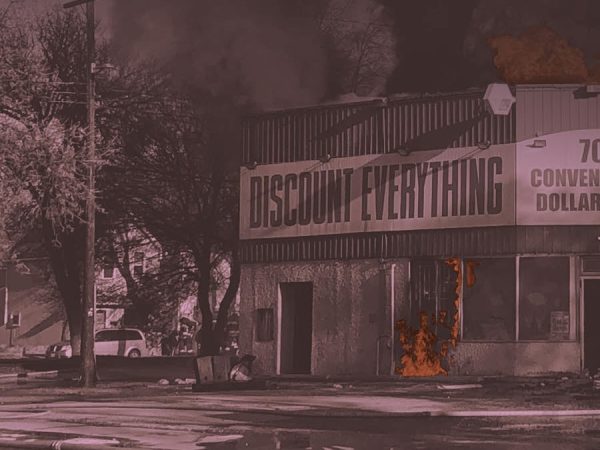
Having demythologized and deconstructed our faith, liberals have rightly discarded conservatism’s cruel damnation while keeping our class status, letting our hearts bleed just enough in public so as to not jeopardize having ‘received our reward in full’ (Matthew 6).
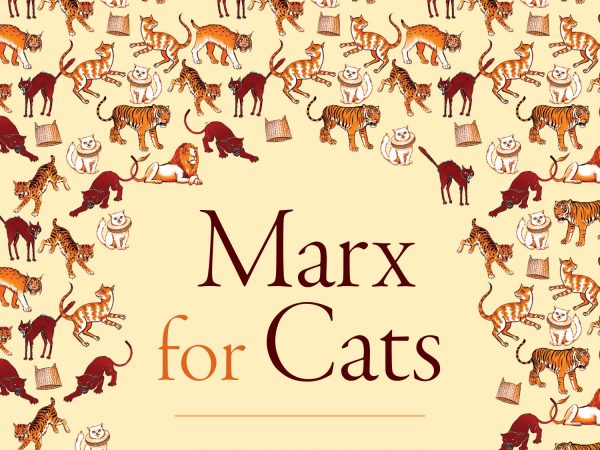
As pets, animals are care workers, giving solace to lonely humans. In none of these economic spheres are animals passive tools. Like human working classes, animal workers also constantly resist and rebel.

In a time of intense economic anxiety, both individuals and communities need to reflect on the call in John 12 to claim their responsibility to shun greed, resisting it with a seemingly foolish kind of generosity that parallels Jesus’s becoming poor for the sake of others.