
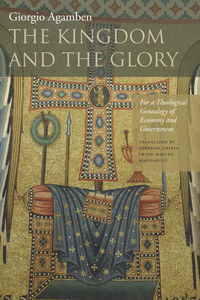
Hollywood and academia may not often be thought of in one breath, but they do share some things, not the least being a hyperventilating and parochial culture of celebrity. Having been in this business now for a few of these cycles, I’ve seen ‘em come and I’ve seen ‘em go. Which figures are selected to be smiled upon by the fame machine seems almost random, a matter of tuche, the semi-theological bad luck of those who are selected, by a blind fate, or an erratic Greek deity. The perduring and valuable work of genuine scholars mounts in height and depth gradually over decades, chiseled out of serious matter, and their import is often recognized only in retrospect, late in a career or after the author is dead. Others—the academic version of one hit wonders—flash up in an instant, are talked about—though not as often talked to, and still less often carefully read—for a frenzied spasm of a few years, then are dropped like an empty foil bag of chips, left to blow heedlessly among the trees in the groves of academe, or to wander the halls of academic conferences, for decades to come.
I’m afraid, but I’m quite sure, that the work of Agamben falls into the celebrity category. […]
The pursuit of truth and justice is often onerous and taxing. The incremental gains accomplished by strikes and protests, grassroots organizing, and community coalitions pale in comparison to the large-scale success achieved by corporations and the governmental institutions who collude with each other. The quest to halt imperialistic conquests by the American war machine, ameliorate poverty, reform a racist and unjust judicial system, and empower communities can often seem like a dead end street, but the light of hope still shines through the darkness […..]

How fickle friendship can be. After all the years of close co-operation, the dinners out together, the help we provided, and the dirty work we did for them, its come to this.
Yesterday I was a reformist; today I’m a war criminal. Mubarak, Gaddafi, Ben Ali, Saleh, I feel your pain.
The vision of God’s kingdom espoused in Isaiah 61 seems more “not yet” than “already.” Jesus identified the first two verses as a prophecy regarding himself, the Messiah, when he read from this chapter in Luke 4. In spite of Christ’s commitment to the least of these, large segments of the Western church insist on spiritualizing Christ’s mission so that it focuses on poverty of spirit or spiritual blindness—an interpretive move that allows injustice to persist unabated and unthreatened by prophetic witness.
It is unfortunate that the mainstream evangelical church owes its political stance more to John Stuart Mill than to Jesus. The members of many churches worship American individualism and the free market more than the ethical responsibility for the “other,” as encouraged by French philosopher Emmanuel Levinas, and ultimately Jesus himself. In On Liberty, Mill defends the rights of individuals to behave as sovereigns over themselves as long as others are not harmed. Unfortunately, many Christians have adopted this perspective, and the government is viewed as an oppressive behemoth bent on snatching away private liberties. What is not mentioned is that our individual economic decisions are often destructive to the overall well-being of fellow citizens.

A Christianity fashioned in the image of white national belonging cannot hold the fullness of the church.

Scripture invites those who thirst today, such as those traversing the Sonoran desert in the hope of a liveable existence, to raise their voice in protest, to insist that their human value be recognized. And it invites those of us who have plenty to amplify that complaint, to set aside the anxieties of those seeking to maintain lopsided power and position, and partner with the Divine.


How do we then understand a biblical vision of peace relevant for our contexts today? Peace, from a decolonial theological perspective, is not a mere act of non-violence, nor is it about drawing peace plans from the perspective of the powerful global powers; rather, it is about the holistic well-being of the whole creation, coupled with justice, where life matters.

Does being “without sin” mean never regretting anything, or getting everything right on the first try?

At best, a community’s accumulated power lies not just in its ability to tear others down but in a desire to use Grace-given resources to affirm what oppression never can – that all are worthy of love, care, life, and dignity.

In any age, nostalgic campaign slogans must lead to clear articulation about which aspects of the past are worth retrieving. We must interrogate our own visions of the past to ensure that we’re not hiding the truth from ourselves.