xbn .

Search: Dead Sea Scrolls

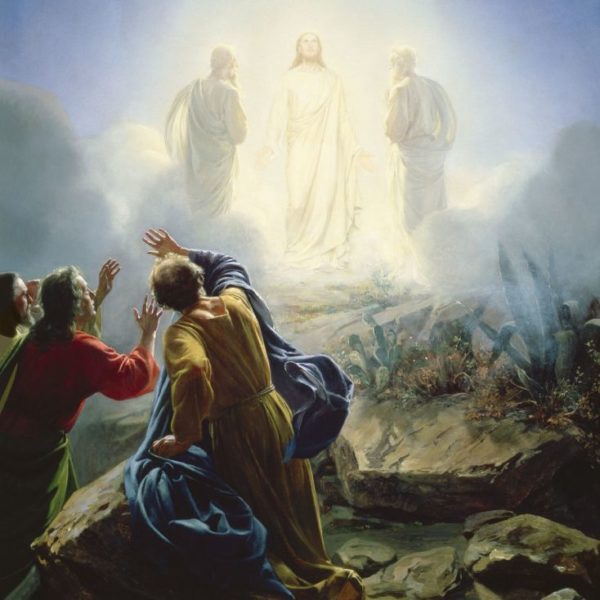
The Politics of Asking the Right Question—Luke 10:25-37 (D. Mark Davis)

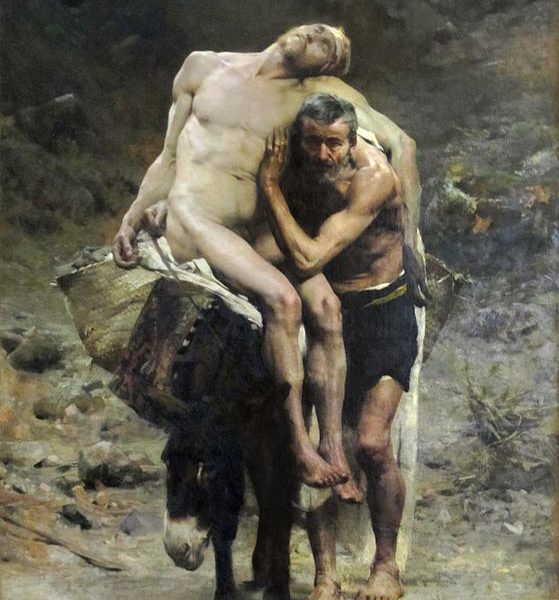
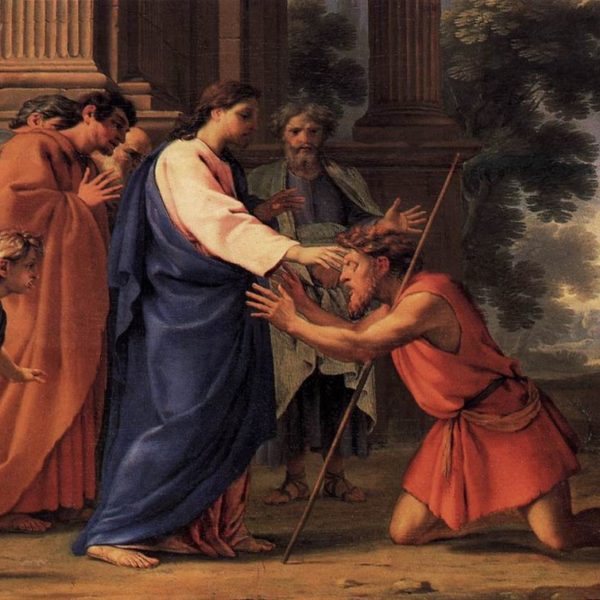
In response to a question designed to test him, Jesus presents a lawyer with a series of questions in response, which evade his trap and undermine the lawyer’s attempts at self-vindication. Through his conversation, he reveals the importance of asking the right question.

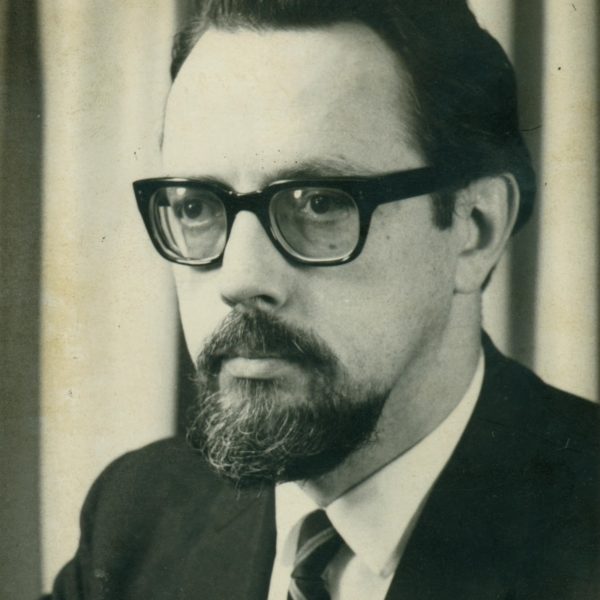
Class, Race, and Democratic Life: How to Read Niebuhr in 2016

As we inch toward the presidential elections of 2016, crawling through a seemingly endless desert of soundbites, debates, and TV advertisements, we would do well to step back and revisit Reinhold Niebuhr’s Cold War liberalism. The new collection of Niebuhr’s Major Works on Religion and Politics, edited by Elisabeth Sifton, shows that Niebuhr’s political reflections are just as relevant today as they were when he wrote, and can guide us through the political wasteland in which we currently find ourselves.

The Politics of the Messianic Body—1 Corinthians 12:12-31a (Ray Pickett)

Paul’s vision of a social body formed around a crucified Messiah turns on their head many of the prevailing dominance models of society of his own day. The concern for members of society otherwise marginalized and devalued produced by such a political vision is one with considerable relevance to our own day.

The Politics of Hannah’s Opened Womb—1 Samuel 1:4-20; 2:1-10 (Alastair Roberts)

As political theologians we may be peculiarly vulnerable to the error of neglecting—or even denying—the significance of the obscure and personal struggles and victories of the faithful that do not assert themselves onto the grand public stage of society. We have much to learn from Hannah’s recognition that, in God’s answer to her prayer for a son, the seeds of a dramatic social and political upheaval had been sown.

Satan’s Temptations in Tolstoy and Dostoevsky, Pt. 2 (Caleb Upton)

If Dostoyevsky foresaw the rise of the 20th century totalitarian states as the father figures who would feed the masses in the first temptation, what did Dostoyevsky foresee here with regards to his feared future Catholic theocracy? What Dostoyevsky saw was how the captivating of the conscience through miraculous ecstasy could manifest itself, in games and permissiveness.