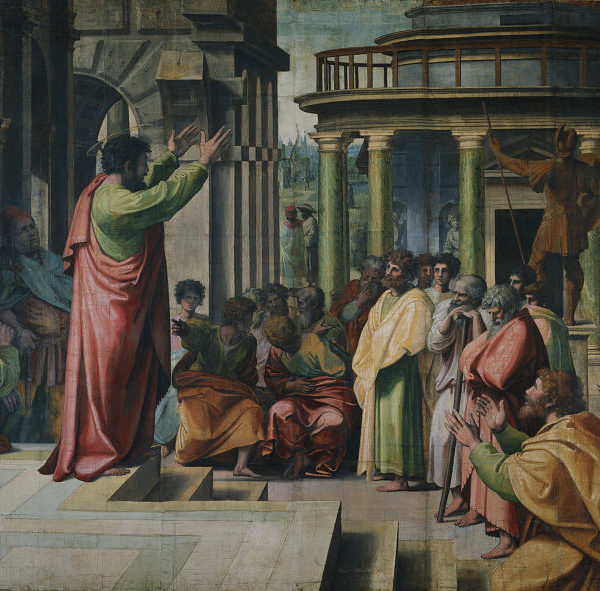
In the face of the thoroughly known god who sponsors our political ideologies and patriotic projects, we must join with the Apostle Paul in proclaiming the unknown God. Cutting across our speculation, superstition, and listless curiosity in the revelation of Jesus Christ, this God punctures our comfortable idolatries and calls us all to give account.
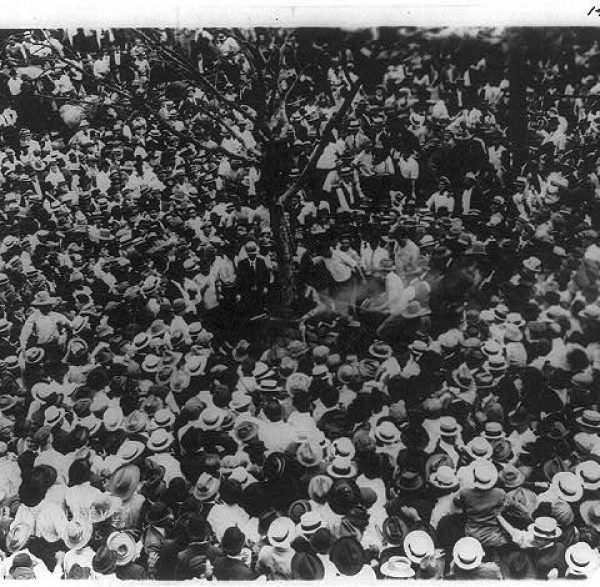
The contagious violence of a frenzied mob brings about the sentencing of Jesus to crucifixion by Pilate. The operations of the scapegoat mechanism are revealed in the record of these events and, as we reflect upon them, we will learn to identify its operations within our political life. In Christ we find an alternative model for desire, which can enable us to resist the seduction of unity through violence.
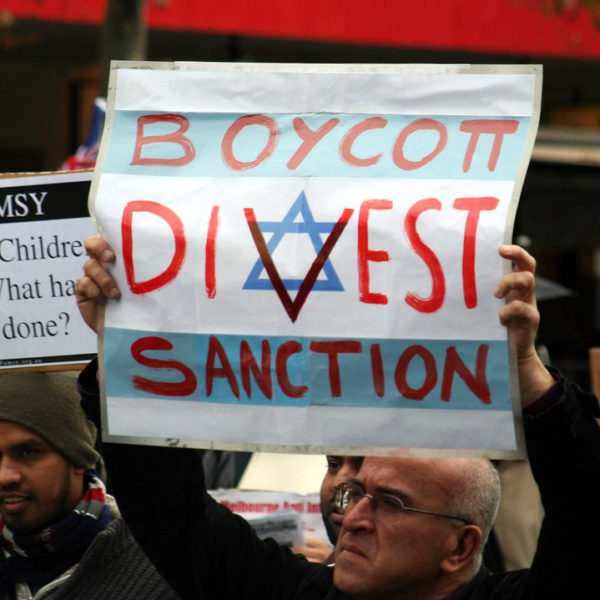
The reception of Parting Ways has been an instructive gauge of the political temperature of U.S. conversations about Zionism. Putting the phrase “critique of Zionism” in the title is bound, for better or for worse, to garner an audience. It seems that everyone has an opinion, even those who’ve never read the book.

Viewing the film August: Osage County with academy award nominees Julia Roberts and Meryl Streep during the same week that Russia’s Vladimir Putin occupied Crimea and thumbed his nose at President Obama, it became impossible not to regard the movie itself as some sort of deep parable of the political age in which we live.

. . . A “nudge”—a term brought to public attention by Cass Sunstein and Richard Thaler—generally refers, in the policy world, to a small modification to an already existing “choice architecture,” some context in which we make decisions; the modification is meant to promote certain decisions over others, in a context where some such promotion is inescapable.

The phrase “political theology” is used in many ways, across many disciplines. Over the past few years, an increasing number of courses have been offered calling themselves Political Theology, or describing their topics as political theology. We have invited faculty from political science, religious studies, theology, and history who teach courses on political theology to share their syllabi on this blog over the coming weeks, and to reflect on political theology pedagogy
The emergence of a new critical theory for the 21st century, exemplified in the writings of such theorists as Foucault, Agamben, Žižek, and Badiou as well as in such zones of contemporary discourse as biopolitics and globalization theory, has tremendous yet still uncharted consequences for theological thinking.
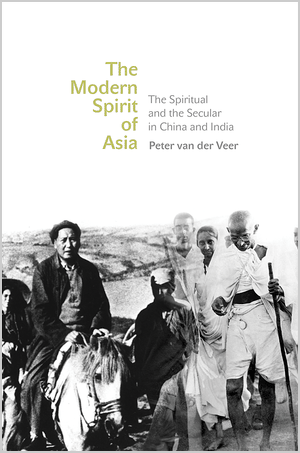
This is a book about India and China. It is about the ways in which these nation-forms, and the nationalist understandings of religion that have thereby developed, have been transformed by Western imperial modernity.
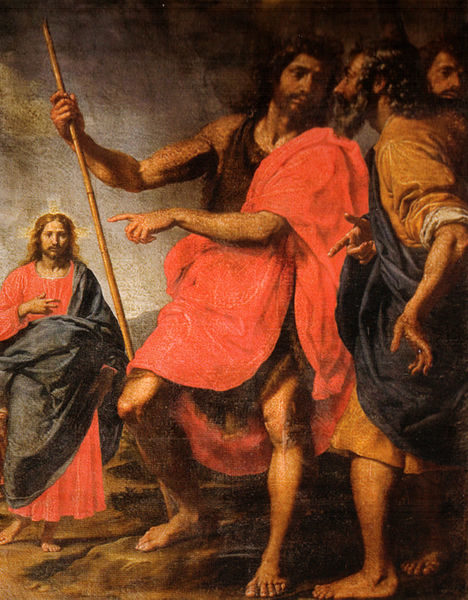
The contemporary exploitation of word of mouth in political and advertising campaigns on social media can encourage a degree of cynicism. At the outset of Jesus’ ministry in John 1:35-51 we see an account of the use of word of mouth that overcomes scepticism and rewards trust. This can provide us with a standard and ideal for our own involvement in political campaigning.
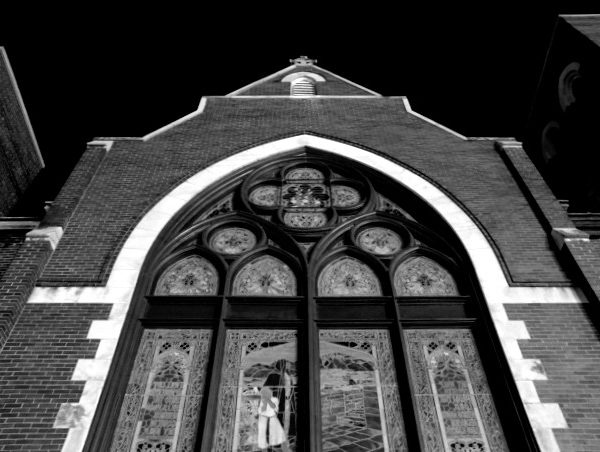
John Wesley once wrote that “Unity and holiness are the two things I want most among Methodists.” The Church’s fights over homosexuality are robbing Methodism of both.
The United Methodist Church has been in the news recently, and will be again soon, because of the Church trials of the Rev. Frank Schaefer and Bishop Melvin Talbert, two United Methodist Clergy who have officiated at same-sex wedding ceremonies.
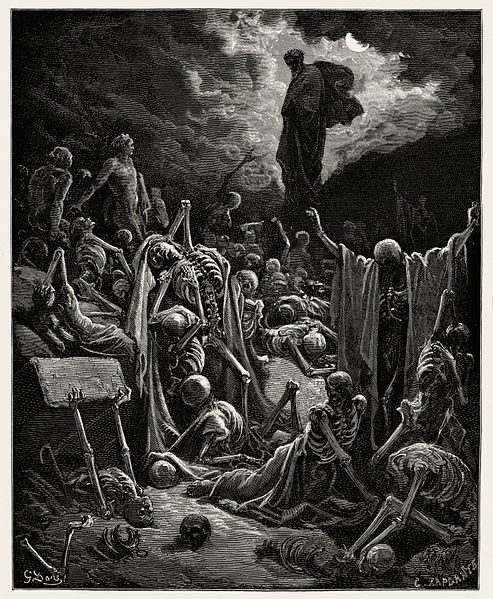
Ezekiel’s prophecy to the dead bones of exiled Israel brings life and restoration to a people who considered themselves beyond hope. Faced with lost causes, recognition of the creative power of the prophetic word can extend the horizons of the possible and inspire a wider range of political action.