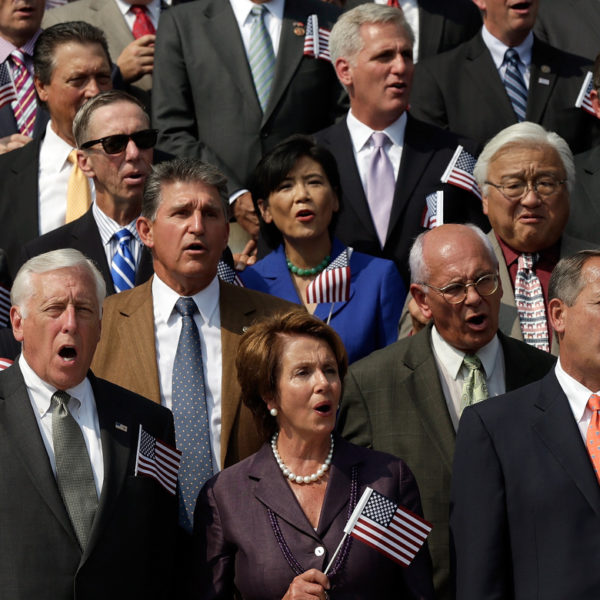
This week, on the heels of the 12th anniversary commemorations of the September 11th tragedy on US soil, many Americans have returned to the biblical refrain of divine blessing.
John offers the temple story at the beginning of his gospel although the other Synoptics place it at the end. Why might this be so? In my view, John wants to introduce us to the portrait of a “radical” Jesus whose revelatory message supercedes and fulfills the tenets of Judaic law, even to the point that it abolishes aspects of this law, a theme that will continue throughout the rest of his gospel.
“Baptism…now saves you…through the resurrection of Jesus Christ, who has gone into heaven, and is at the right hand of God, with angels, authorities, and powers made subject to him.” (1 Peter 3:22)
Aside from winning awards for the number of clauses in a single sentence (and the Greek sentence actually begins before verse 21), today’s epistle reading makes big claims! God has made all powers subject to Jesus Christ! But “all” is a big term, especially in a world that doesn’t always feel subject to God. And so the question that lingers today is, “What did the author of 1 Peter mean by “angels, authorities, and powers?”
By Andy Flannagan
Our attitude to the planet and its structures, as economics and ecology mix inextricably, are formed by whether our mindset is one of moving on to the next place, or one of renovation. Our God is a God intent on renovation. He has a plan for this place and it is good. This place IS the next place. It will be transformed. And incredibly we are called to be part of demonstrating what this next place will be like right now, which surely involves change within and through political structures.

Violence here is not the symmetric flipside of speech. While destroying the semblance of peaceful normality, the violence of Palestinian armed struggle “communicates” on a political and epistemic level: it violently makes violence visible.

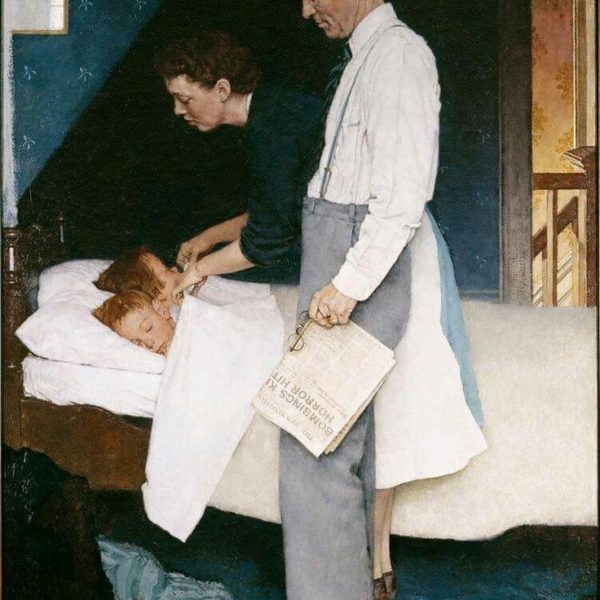
Psalm 111, which may seem disjointed and a collection of sayings, does, however, offer a consistent political teaching. It emphasizes politics in virtuous imitation of God in his works and the rejection of the politics of fear.

This week, the Politics of Scripture Blog is partnering with “First Reading” an Old Testament lectionary podcast, co-hosted by one of our blog’s editors, Tim McNinch.

During the Christian, liturgical season of Lent, essays on the Politics of Scripture will reflect on the intersection between the lectionary texts and climate change.
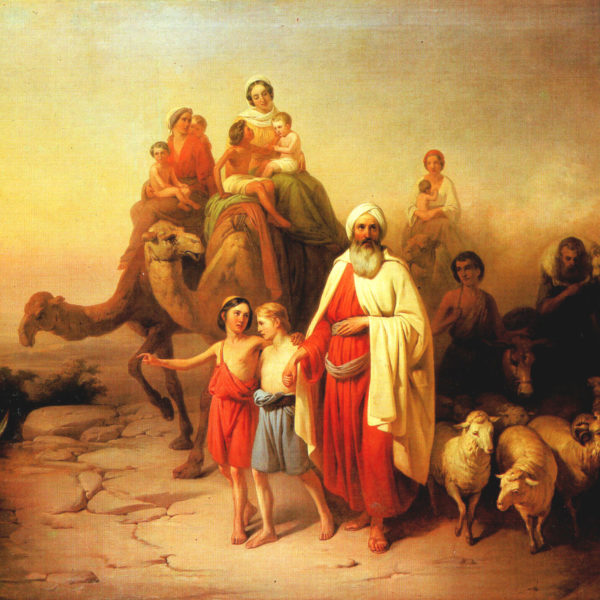
The quest for a homeland and the experience of being a stranger and an alien—a refugee—in the world is central to the calling of the faithful in Hebrews 11. This reality should remain integral to our self-understanding as the people of God today.
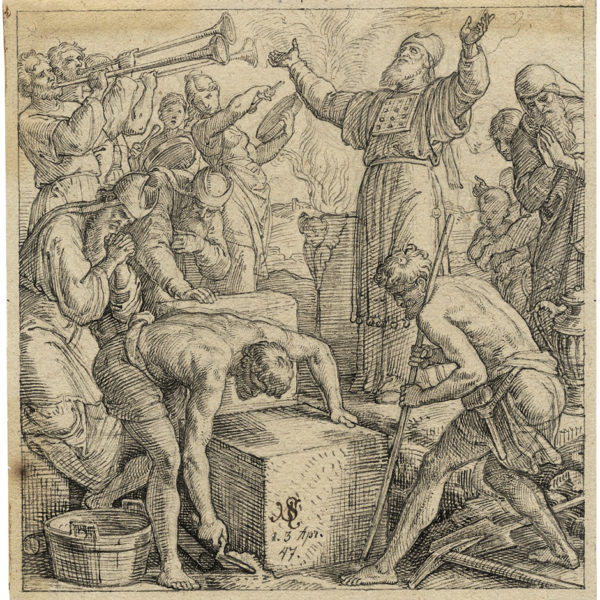
Christian political witness must be built around and declare Christ as the great eschatological stone laid by God. He must either be approached as the stubborn obstacle, arresting the development of all idolatrous political visions, or as the chief cornerstone, the sure and solid basis from all else can take its bearings.