
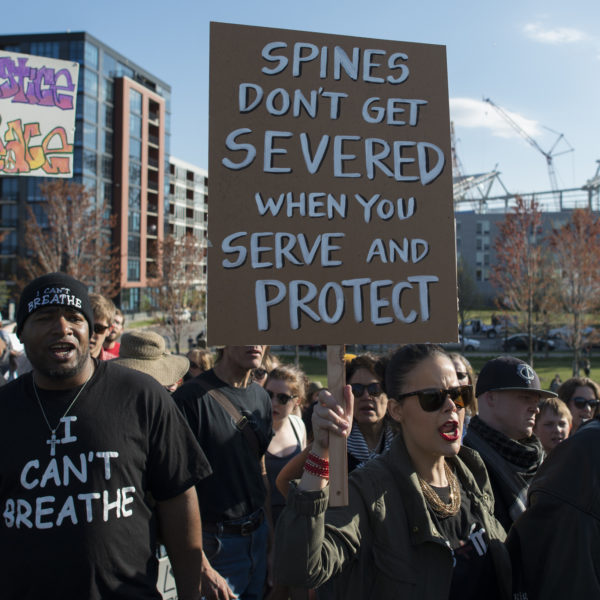
Only when we truly believe that Black Lives Matter, when we learn to lay down the privilege of whiteness before a God who delights in Blackness, can we understand what it means to be God’s beloved.
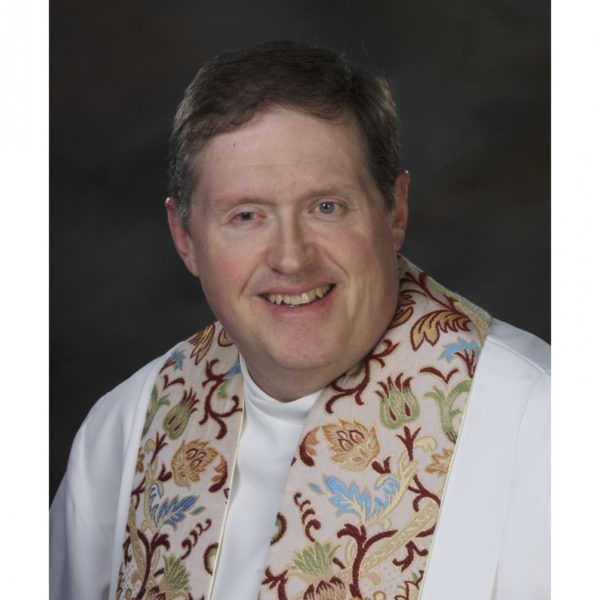
It is with great sadness that we note the death of a former editor, the Rev Dr Tim Simpson. Tim died on Tuesday 7th April after complications associated with his battle with cancer.
There were many aspects to Tim’s life and ministry, more than can be covered here. He was a relentless teacher, preacher, pastor and campaigner for justice and peace. Other places will record his important contribution to many different churches, universities and colleges. For us Tim was a scholar, an intellectual and an editor. His death feels like the passing of an era for the journal and for the discipline as a whole.

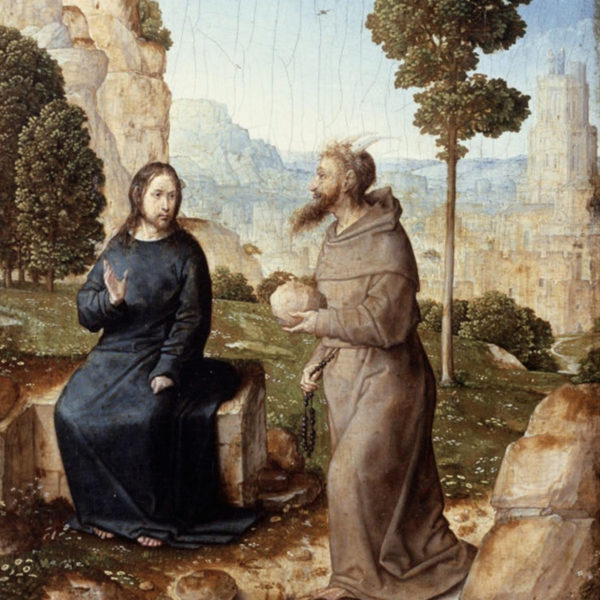
Fyodor Dostoyevsky in his masterpiece ‘The Grand Inquisitor’, as well as Lev Tolstoy in his The Gospel in Brief, both comment on, recapitulate, and in some manner ‘translate’, the story of Jesus’ temptation in the wilderness (Matt. 4:1-11; Mark 1:12-13; Luke 4:1-13) with varying interesting results. Let us compare Dostoyevsky, Tolstoy, and the Gospel accounts together to see how this story serves not only as Dostoyevsky saw them . . . nor only as Tolstoy saw them . . . but also as a profound critique of our current economic geopolitical situation, and pointing to our way out of the systems that enslave us.
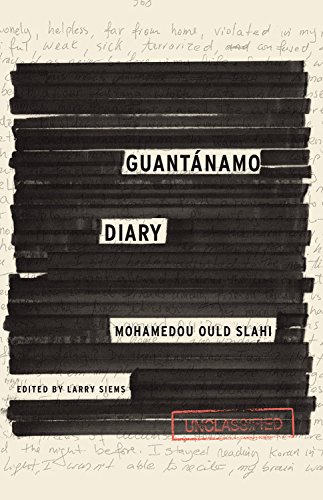
. . . We live in an age of terror, but not because we have been terrorized by the Other. Rather, the terrorism we recognize is the consequence of an a priori distinction between lives that matter and lives that don’t. Slahi, confined at Guantanamo since January 2000 without charge, represents the figure of terror.
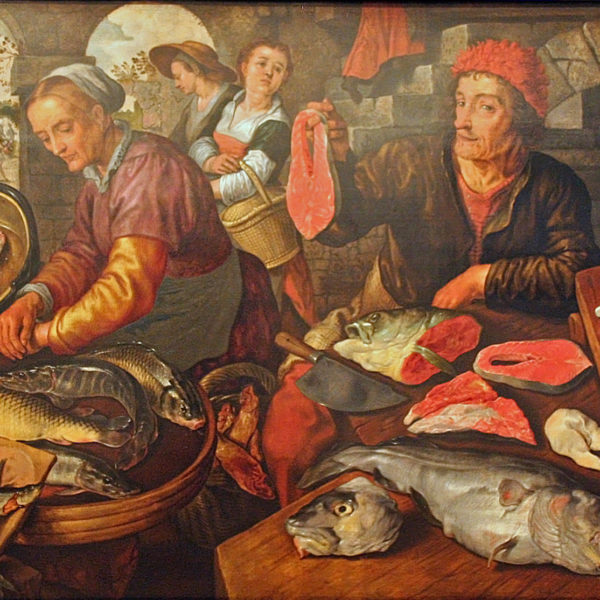
Christians worldwide are currently observing Lent, a penitential season of prayer, fasting, and almsgiving. Generally speaking, modern western Christians are prone to approach these disciplines as a matter of individual piety. But historically, these practices have carried much broader and more significant social, economic, and political implications. We often think of the Protestant Reformation as declaring an end to Lenten observance, and public fasts in general, but the reality is more complicated.
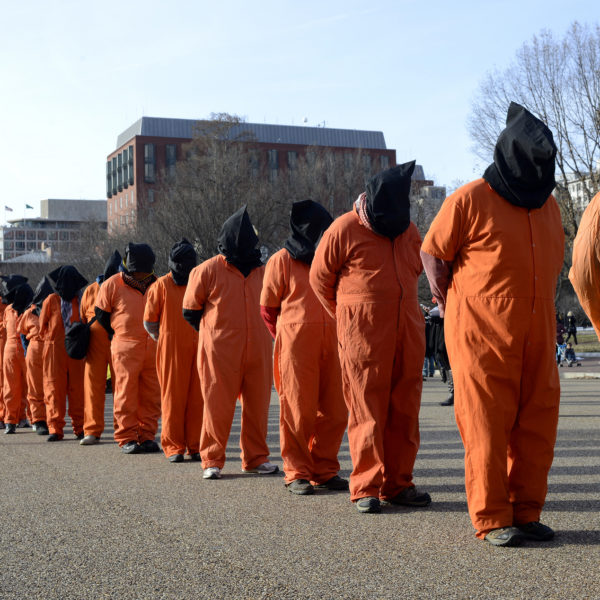
He faces no criminal charges. Indeed, a U.S. judge ordered him released five years ago. Nevertheless, Mohamedou Ould Slahi remains in Guantánamo Bay, after more than thirteen years in captivity. He was snatched out of his home country of Mauritania shortly after 9/11/2001, and then renditioned to Jordan, Afghanistan, and finally Cuba. In U.S. custody he has endured beatings, threats, sexual assaults, sensory deprivation, lengthy exposure to cold temperatures, food deprivation, deprivation of medical care, stress positions, and forced nudity.
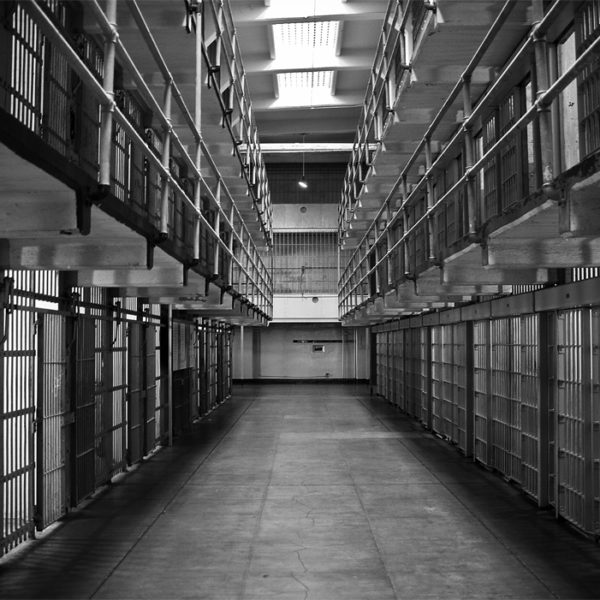
Too often, scholars enamored with Foucault’s work assert that physical torture waned with modernity. However, this is an uninformed understanding of penal history. From their inception, U.S. jails and prisons frequently tortured inmates.
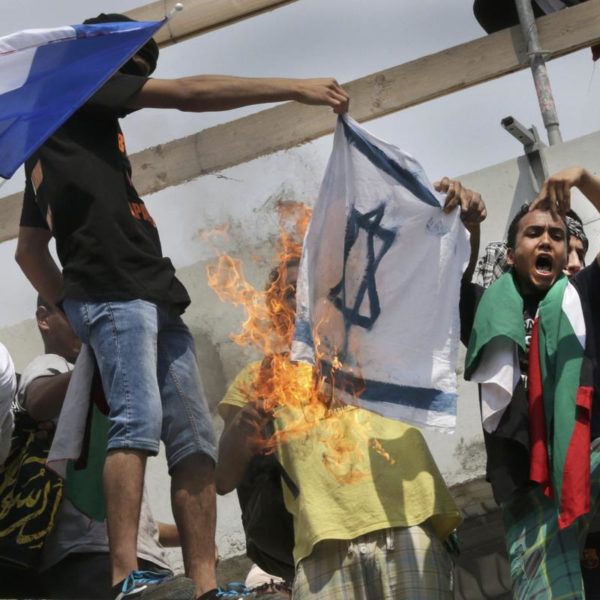
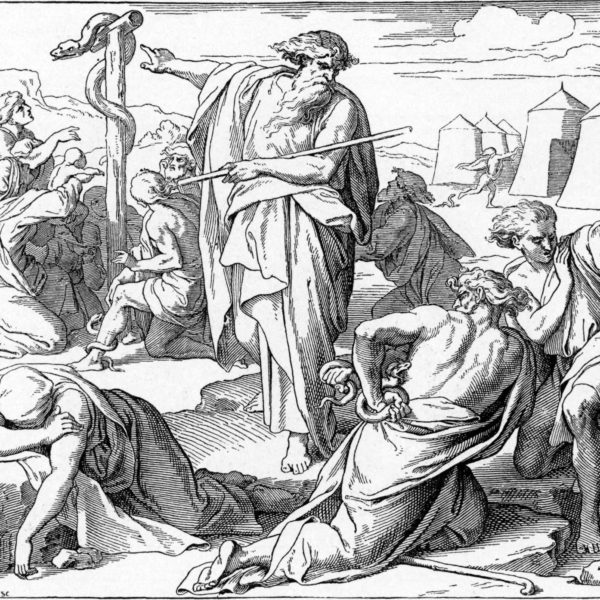
Although it is typically read as a passage about individual salvation and enjoyment of the life hereafter, read more closely, John 3:14-21 profoundly demonstrates that the elevation of Jesus on the cross confronts us with our own rejection of God’s gracious provision, our stubborn refusal to accept God’s way, and the radical, communal reckoning that leads to the fullness of life.
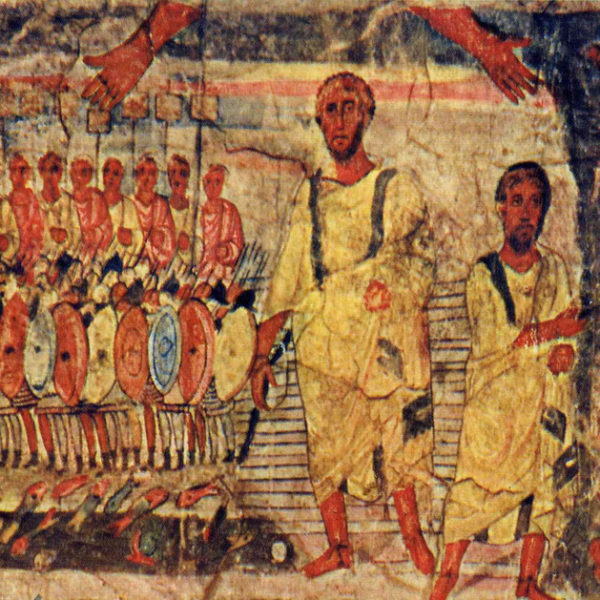
The first commandment—that Israel should have no other gods beside YHWH—is the foundation for our liberation, as it was for Israel. It delivers us from all other ideas or powers that might claim our absolute loyalty and obedience.