
Jesus introduces a new principle of division into history, forcing all to show hands previously held to close to their chests. As Jesus precipitates division and judgment in history, he shapes the destinies of societies and nations and explodes the myth that he is an apolitical Messiah.

Righteous Joseph does not publicly shame his fiancée Mary, breaking with common practice in an honor and shame culture. The angel that appears to him calls him to take a further step, to assume the role of father to Mary’s curious child.

Habakkuk’s prophecy raises the unsettling question of how to deal with the image of the Divine Warrior in a sensitive manner. Handled carefully, rather than compounding violence with more violence, Habakkuk’s prophecy can function as a powerful appeal for justice.
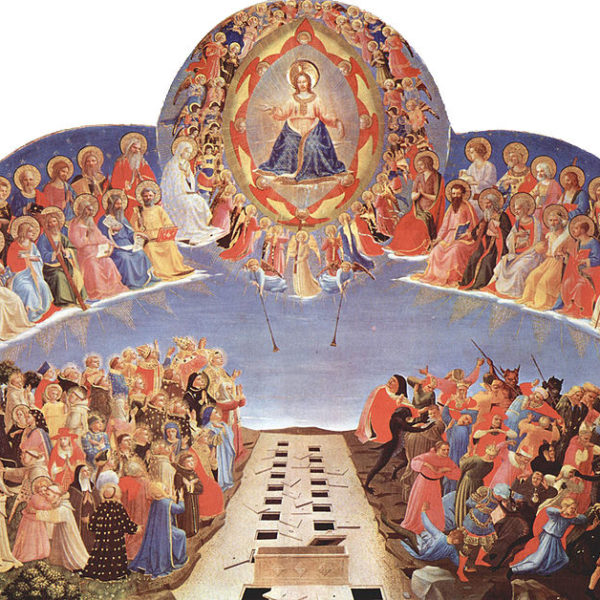
The Parable of the Sheep and the Goats presents hospitality to the poor as a test of a society’s welcome of Jesus. How would we do?

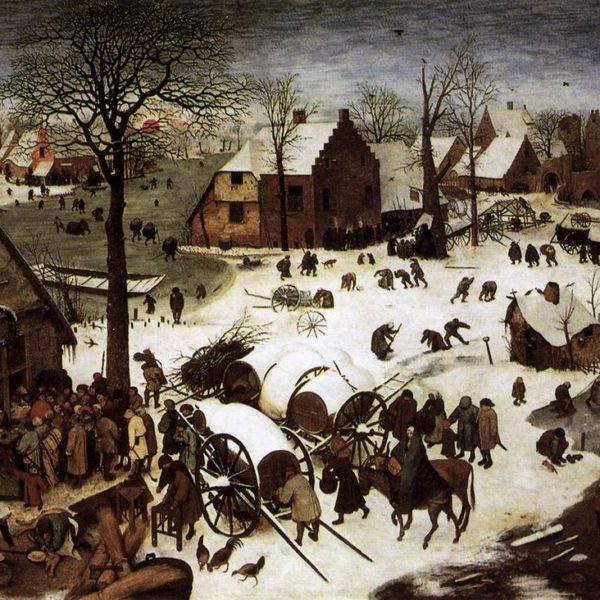
Micah’s message reminds us of the importance of small beginnings and the potential of the things that can start from them. Alongside this, he teaches us of the necessity of the actions whereby we live the difference that God desires to create in the world.

Jesus’ description of the scribes and the Pharisees in Matthew 23 provides us with an illustration of the corrupting effects of hierarchical power structures. Given the pervasive and entrenched character of such structures, escaping their perverse dynamics is easier said than done. Nevertheless, we are not left without means of resistance, perhaps the first of which are actions and words through which we make the unseen visible.
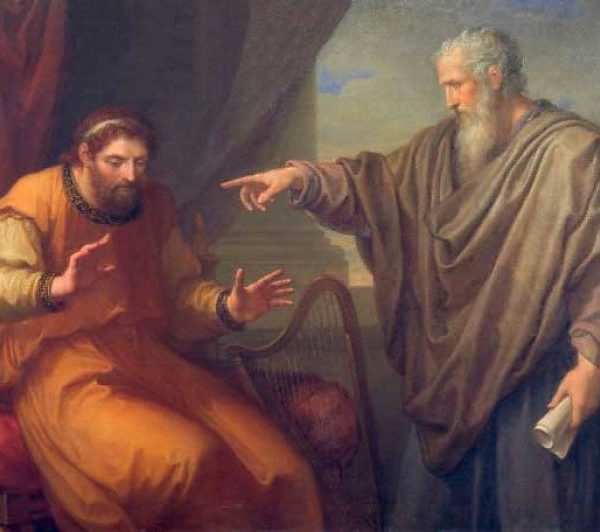
King David’s actions in taking Bathsheba provide a shocking and illuminating case study in the behavior and psychology of impunity. The prophet Nathan’s employment of parabolic misdirection in his exposure of David’s sins suggests an effective manner in which such impunity can be confronted.

Privilege is a ubiquitous reality in our world, though one to which we are often oblivious as privileged persons. In Paul’s description of his posture towards his privilege he gives us a worked example of what conformity to Christ can look like and poses the challenge to us to follow the same path in our own situations.

In Jesus’ parable of the day laborers on the vineyard, we encounter two competing views of what constitutes just compensation, one determined by ‘fairness’ and the other by need. In its commitment to the human-centered “economics of need,” the Reign of God teaches us to value work—and the worker—in a new way.

In a recent video (Humans Need Not Apply) CGP Grey challenges us to imagine a future in which the majority of human work will be performed by ever-more finely-calibrated machines (coordinated by ever-more complex software). Lest we doubt it, he suggests that the seeds of this future are already with us.