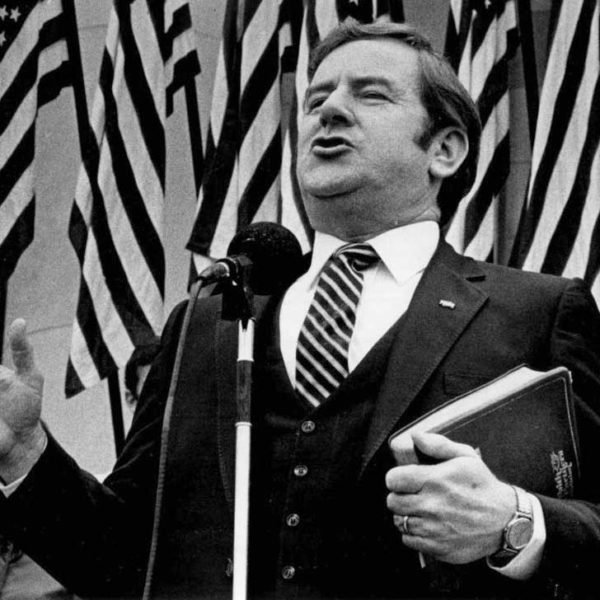
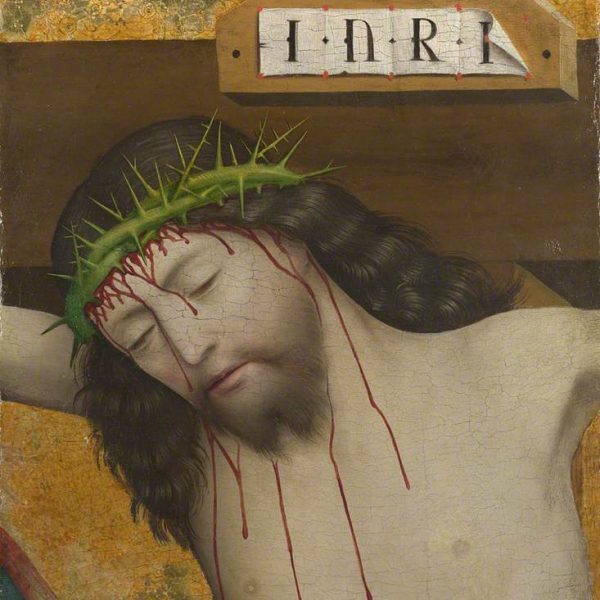
While the visual medium is thus dominated by whiteness, there exists simultaneously a whiteness that permeates textual and other worlds in biblical scholarship.
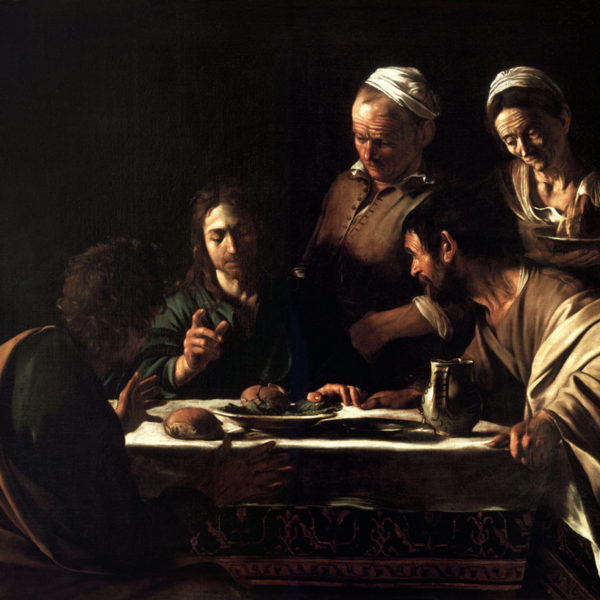
For the disciples on the Emmaus Road, the resurrection was the key to unlocking the meaning of Israel’s history. As a master key, however, its power extends further, opening up our eyes to the one in whom all of human life and history holds together.

It takes so little courage to become token protagonists of the truth—righteous minds defending unrighteous actions.
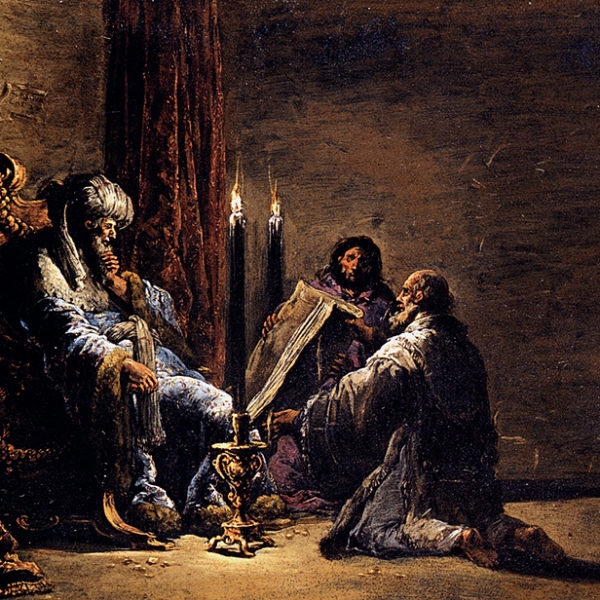
. . . Often much more important than what people argue is how people argue. . . . Many whom we may have hastily taken as kindred spirits, because they happen to have reached some conclusion we moderns take for granted, turn out on closer inspection to have been motivated by wholly different concerns, so that the convergence is largely illusory. Others, however, whom we might be apt to dismiss as barbaric for their unenlightened ideas, turn out to have been strikingly liberal-minded.

Today’s texts are complicated, messy messages of divine justice. Perhaps the best we can learn from Job or Bartimaeus is the courage to call God to accountability.
With the start of the 2016 election season now coinciding with the publication of Kingdom Politics: In Search of a New Political Imagination for Today’s Church, we are reminded of the beginnings of this book project. As the 2012 election cycle began picking up steam, we embarked on a journey to research the ways five diverse congregations engage and avoid politics, and the reasons they give for doing so.
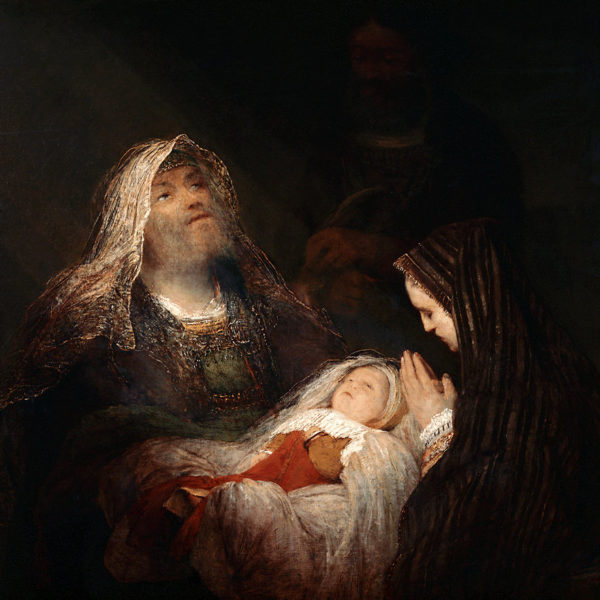
A competent sentinel must be vigilant, alert to and able to read the faintest signs upon a distant horizon, perceiving the most miniscule of details and discerning their greater import when they finally appear. In the opening chapters of both Matthew and Luke, we encounter a series of watchers and signs, presented in part as examples to the readers of the gospels in their own watching.
Political Theology and the lectionary for Sunday, November 20, 2011.
To be sure, some smart evangelicals like Chuck Colson have abjured Rand in toto for her atheism, but her basic premise that government is the root of all evil and that unfettered capitalism is the answer for everything is as true as Trinitarianism in most evangelical’s minds and hearts, a position all but unheard of in Christianity prior to the 20th century.
To think this way as a Christian, one has to do strange things with the Scripture, such as with this week’s lectionary gospel passage for Christ the King from Matthew 25:31-46. The obfuscation of what’s going on in the text is accomplished by diminishing one aspect of the text, while overemphasizing another.
This text is one of the most fruitful lessons for thinking about the political theology of scripture in the whole three-year cycle. It is also one of the most humorous texts in scripture, as the powerless subvert the powerful.