

Indian citizens stepping up to save as many lives as they could embody what the Kingdom of God is about: collective self-care, mutual aid, without a king, while also holding earthly kings accountable for not attending to the needs of their public whether or not there is a crisis.

This is what it means to be speaking in tongues: not what the empires and the sub-empires of today want to hear—the sound of one voice, one language—but the vulnerable dissenting in their own—the sound of many, the sound of chaos, the sound like the “rush of a violent wind” (verse 2).

The vocation of the public theologian is to testify to their faith and in doing so to further the good news of Jesus in all our publics. At the same time, the aim of this public theological discourse ought not be to colonize other publics for Christianity.
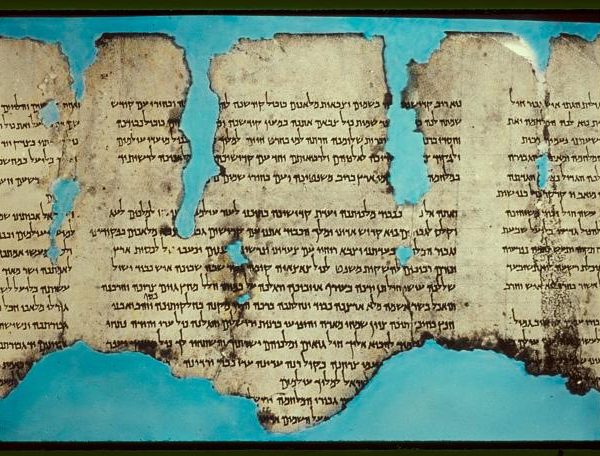
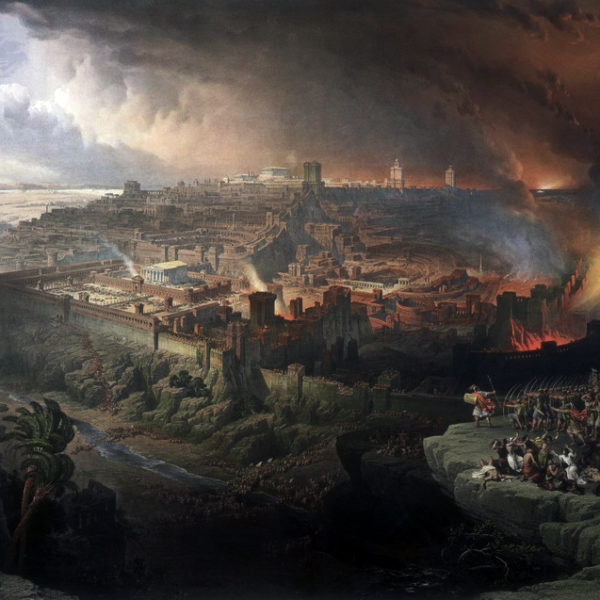
We do not know when our day of judgment will come, when our nations will rise or fall, or when the times of testing in which we are either proven or broken will hit us. Yet Peter exhorts us to be found ready in vigilant holiness when they do.

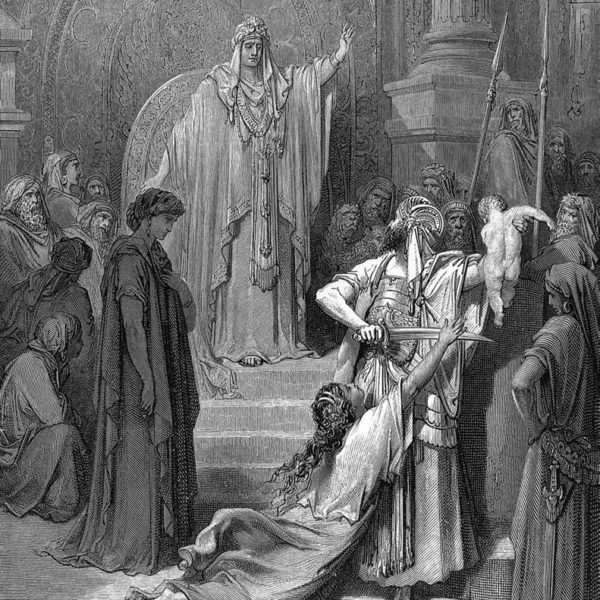
King Solomon’s desire for wisdom to equip him for just rule establishes him as the paradigm of the Wisdom tradition and as an example for us to follow. The scriptural emphasis upon wisdom in rule may contrast strongly with contemporary emphases upon technique.

In the radical changeability and uncertainty of our world, the collapse of our political projects and the apparent futility of our labors can tempt us to despair. Ecclesiastes grapples with these difficulties and presents ways in which to maintain hope within the vapor of our lives.
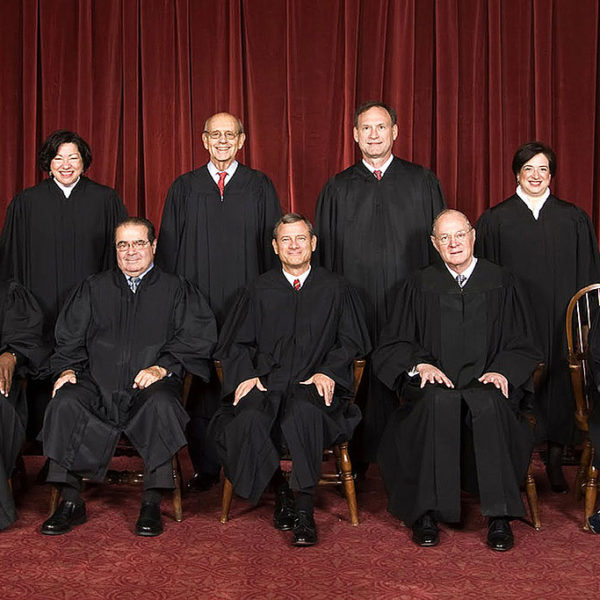
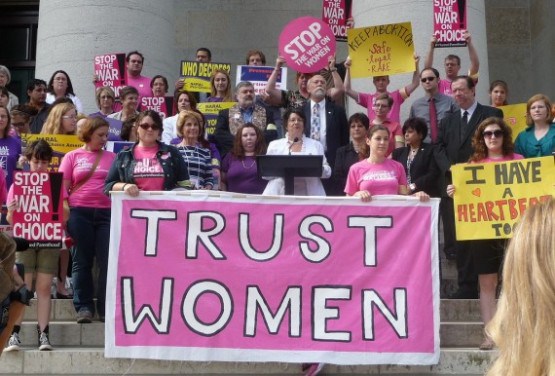
The last week of March 2015 saw a downturn in reproductive and sexual justice in the U.S. The Indiana General Assembly approved the Religious Freedom Restoration Act, allowing businesses to discriminate against LGBT people and to opt out of providing health insurance for abortions.
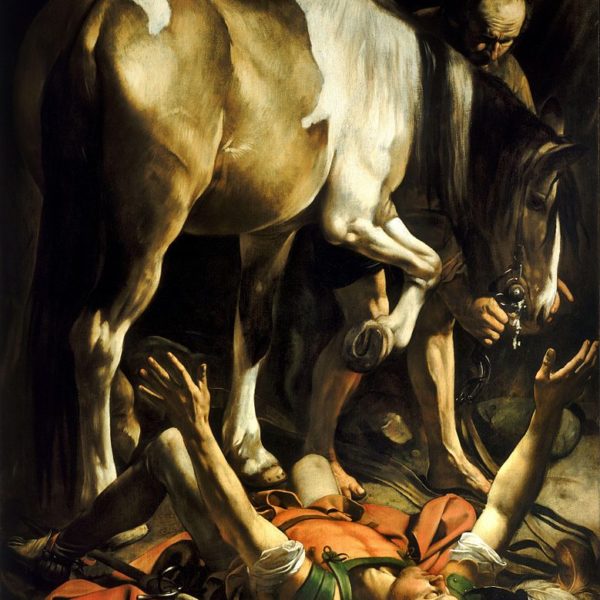
The story of the encounter of Saul of Tarsus with the risen Christ on the road to Damascus is read in a number of differing ways, readings often shaped by what the church has become for us. At our juncture in the developing history of ‘The Way’ we have the opportunity to explore a different vantage point on this story, one shorn of much of the triumphalism of past readings and tempered by our uncertain times.