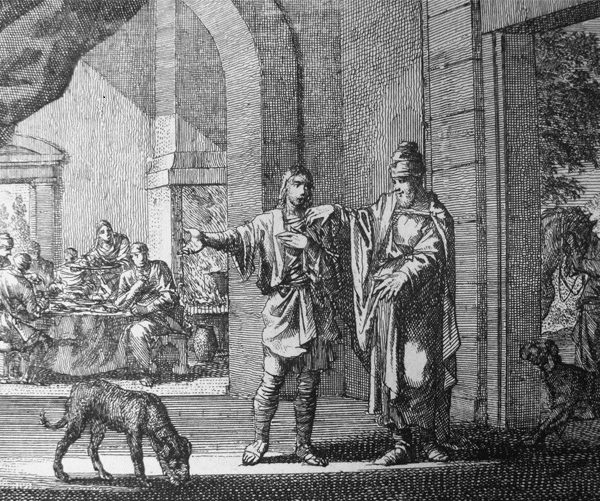
Through a startling act of code-switching, Jesus opposes the pattern of rule among his people to that prevailing among the Gentiles. Our politics must take its cue from the model of greatness and rule through service that Jesus articulates.
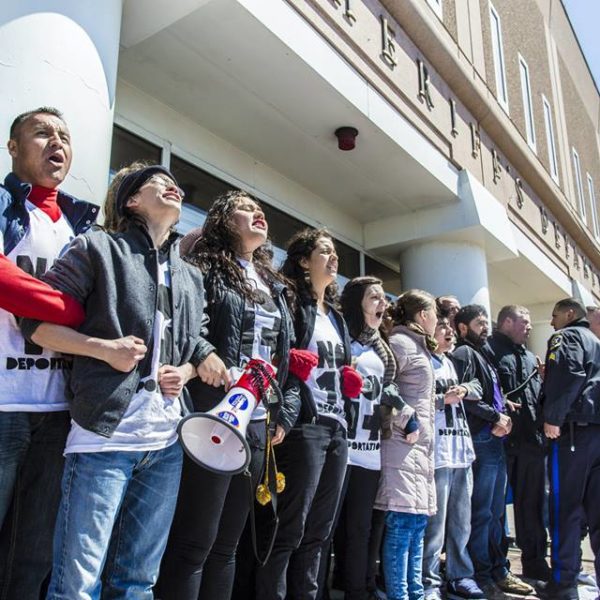
The telos of border imperialism as described by Walia and served by policies like the Priority Enforcement program is manifestly blasphemous on any number of levels. The most obvious, and the most commonly identified by theologians is that it denies the presence of Christ in the persons of exploited, oppressed, colonized, and working people.
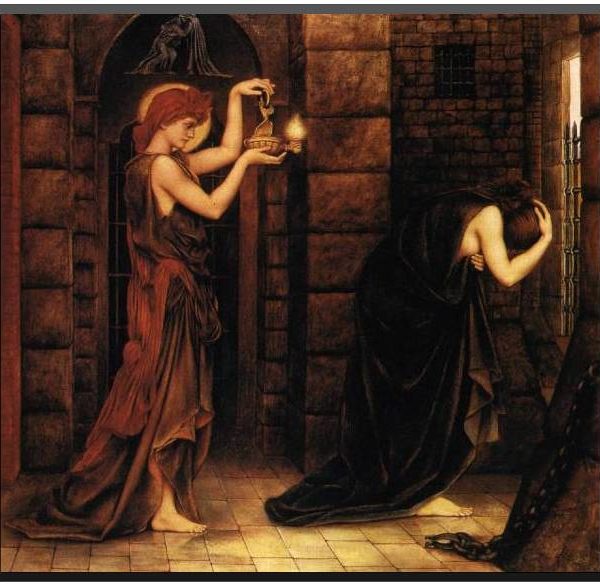
The psalmist wrestles with despair, drawing strength from remembrances of God’s past protection and help. Politics, which must also face the threat of despair, can learn from the way that both the psalmist and Christ after him preserve the glimmer of hope against despair’s engulfing darkness.

David Brat’s upset of Eric Cantor in Virginia’s District Seven congressional race last week generated waves of buzz, with no small stir churning in the Christian blogosphere. Although political upstarts, especially those that identify as conservative Christians, always tend to create a storm of media buzz, the close attention to Brat is perhaps more justified than most. As I hope will become clear in this brief profile of Brat’s scholarship and political theology, Brat’s somewhat bewildering and seemingly idiosyncratic synthesis of theology and economics illustrates the tensions endemic to the increasingly-libertarian sectors of the Christian Right.
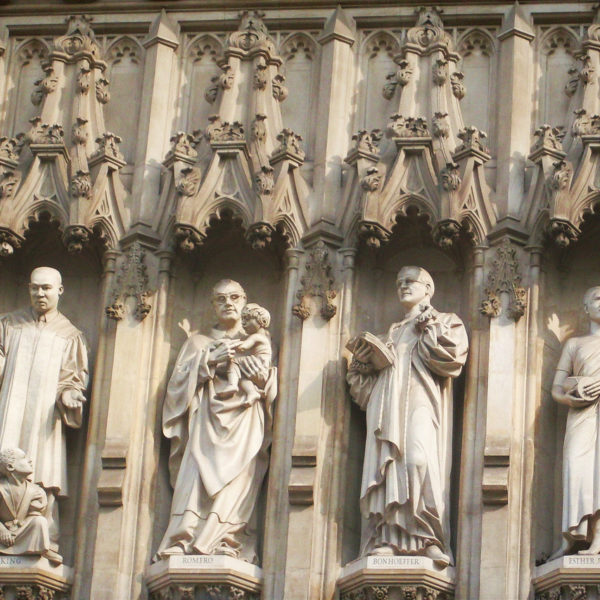
. . . Here, I focus on Dietrich Bonhoeffer’s theology of friendship. My underlying proposal is that Bonhoeffer’s particular approach to friendship which emphasizes concrete, personal encounter with “the other” in community is uniquely suitable for Christians in an increasingly pluralistic, politically polarized, and techno-social world. My hope is that Bonhoeffers theology and praxis can challenge us to think more deeply and comprehensively about what is required for Christian witness in the 21st century.
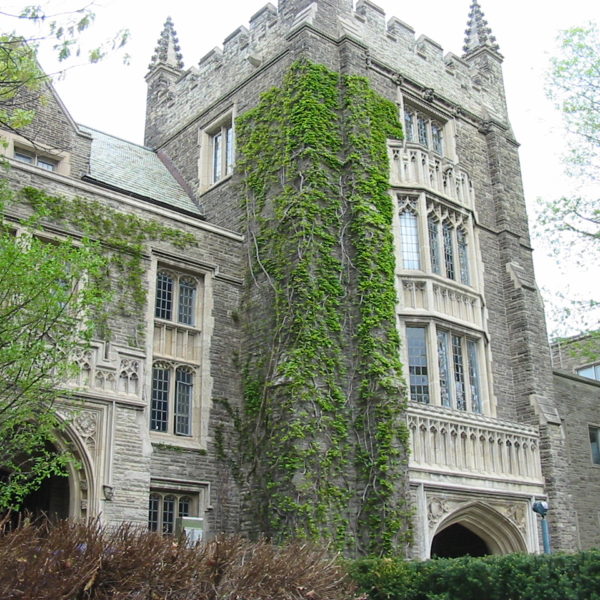
In the academic setting of Religious Studies, developing curricular spaces in which to thematize the relationship of religion and politics is a highly effective way both to engage undergraduate students, and to tap into and develop the research interests of graduate students. Over the past several years, I have developed courses at both levels in this area.

For me the field of political theology does not exist in isolation from a number of other disciplinary genres. There are some older texts which helped mark out the territory and possess a kind of classical importance. That claim needs to be seen in perspective. I am writing out of Australia and, prior to living here, taught theology in Aotearoa-New Zealand following postgraduate study at Cambridge.
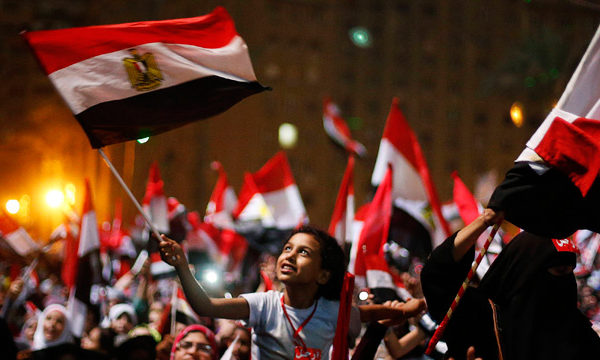
Can a people, after having duly consented to the formation of its government, remove that government using procedures not authorized by law? To put the question differently: can the formal legitimacy that a people provides a government preclude that people from exercising its sovereign power to strip those holding formal legitimacy of power, even though those in power have not violated the express terms of their compact with the people? These are the paradoxical questions that are at the heart of the political crisis in Egypt where duly elected president, exercising powers pursuant to a duly enacted constitution, was overthrown by the “people” who acted outside the formal rules “the people” had enacted for removing or otherwise disciplining its president.
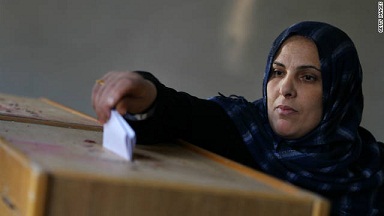
In the coming weeks, the Political Theology blog will be hosting a symposium on Political Theology and Islamic Studies, bringing together reflections from a number of leading scholars at the intersection of these fields. The editors are very grateful to our Contributing Editor, M. Owais Khan, and to Abbas Barzeger, for their long labors in putting together and editing this symposium. This first post introduces the questions to be discussed and the contributors who will be participating.