Over the last few years, we have been engaged in an Australian project called ‘Religion and Political Thought’ – itself part of an international project known as ‘Religion and Radicalism’. Funded by the Australian Research Council, it seeks to do nothing less than kick-start an Australian tradition of political philosophy in relation to religion and theology. Our aims may be high, but we realise that it is very much a small beginning to what we hope will foster further debate and research.
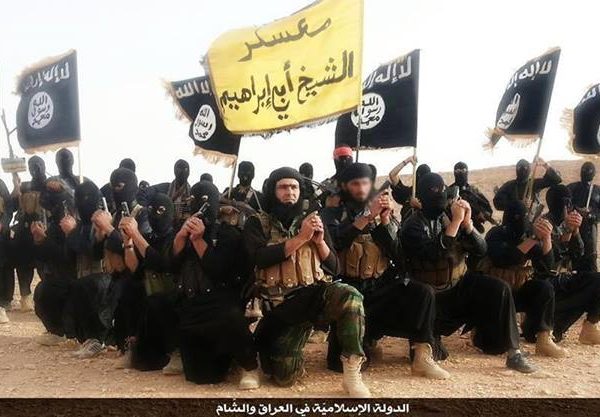
What is happening today in the Middle East – and the strange, deer-in-the-headlights response of Western elites – seems in many ways to be a fulfillment of the predictions of French cultural theorist and political activist Guy Debord, author of The Society of the Spectacle (1967).
I thank both Timothy Simpson for taking the time to respond to my post and the current editors of Political Theology Today for allowing me to respond. It is an uncomfortable issue for people on all sides of the debate. I can only imagine the frustration wrought by “having been the target of barbs by both Christian and Jewish Zionists.” If my tone is irenic, I can only be glad; I do not desire to be the cause of frustration (even at those moments when I feel frustration). If Rev. Simpson views my tone as irenic, I find the content of his response to be ironic.
The stark repetition of the admonition to being of one mind in the first and last phrases is particularly arresting, and particularly challenging for us today. After all, for contemporary liberalism, being of one mind is no virtue, and the same could be said for most contemporary Christians. We no longer think of pluralism as simply a pragmatic political strategy for negotiating irresolvable difference, but as a good in itself. It is difference, we say, that makes us strong, tolerance and indeed embrace of otherness.

The myth of Captain America introduces us to a serious quandary. Can liberal democracy be de-coupled from violence or is it doomed to repeat old battles? For Christians the question is doubtless a complex one. The Church can doubtless find much in Rogers’s democratic creed to admire; his sense of self-sacrifice, his public spirit and sense of civic duty. There is something of the righteous pagan in the Captain America myth which should not be lightly dismissed.

On the surface Captain American: the Winter Soldier is a cinematic triumph of patriotic romanticism. Whatever injury has been done to the American psyche in the early part of the twenty-first century, Marvel has done its best to bind these wounds and produce a tour de force of idealism for a less than idealistic age. Captain America has done for democratic virtue what the West Wing did for American government.
The international crisis in Ukraine, combined with the precipitous and aggressive behavior of Russia toward the West, the docility of Europe and the fecklessness of American foreign policy in shaping events, has prompted after-midnight calls among many international experts for a radical and rapid rethinking of what the word “globalization” really means, or what it might look like even in the next five years.
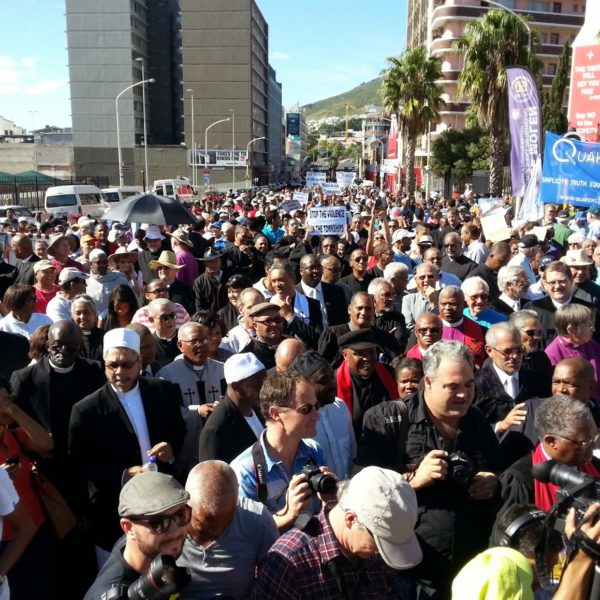
And so it was this past Easter Saturday that thousands of South Africans, supported by religious leaders, “evoke[d] the spirit of the 1980s, when the faith community intervened to promote and defend democracy.”[2] Leading the procession was the Anglican Archbishop of Cape Town, Thabo Makgoba.
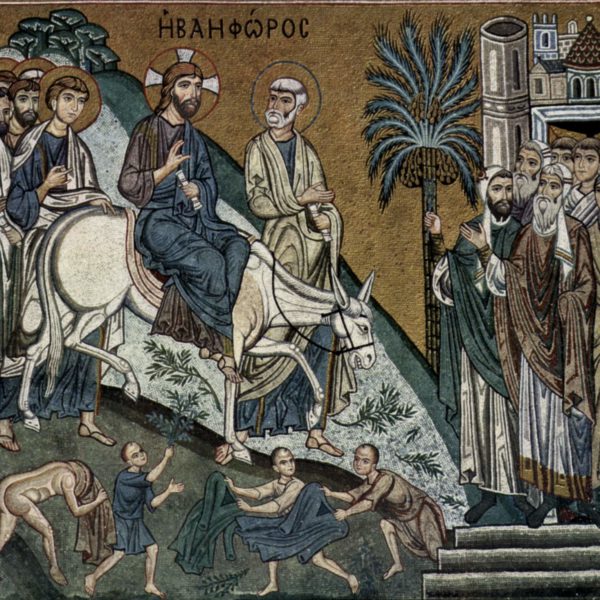
One plots and schemes in order to exert control. One embarks upon a pilgrimage in order to relinquish control. Entering Jerusalem as a lowly king, Jesus foils both the plots of those who would capture him and those who rally around him as a political revolutionary.
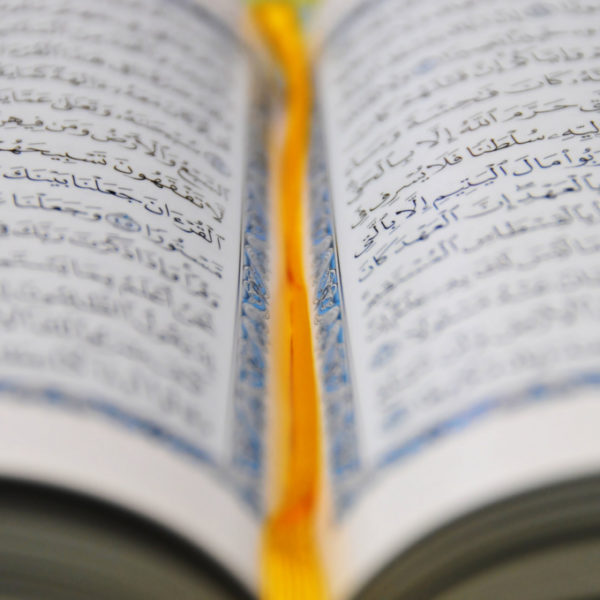
Let’s be clear. There is no academic field called “Islamic Political Theology”. So naturally there are hardly any books on Islamic Political Theology. Political Theology is largely a field of study within Christian Theology. This field, as I understand it, examines the relationship between the way we describe God and the way we describe the political. In the history of the Church there has been a strange correspondence between the two. A number of shared concepts, narratives, myths and symbols sustain each.

If an academic field is defined in part by its canon, wide divergence on canon would suggest that what appears to be a field might not really be one. In the case of political theology, there seems to be this sort of incoherence: an anthropologist writing an article about political theology may never have heard of Dorothee Sölle, while a seminary professor writing an article about political theology might never have heard of Claude Lefort.
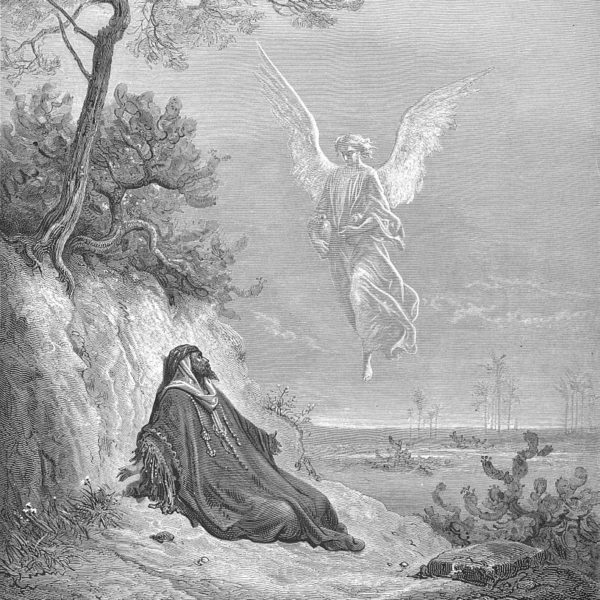
Elijah’s ministry takes place during the reign of king Ahab in the 9th century BC. The narrative about the prophet is expressly political. It depicts a political dissident who speaks against the powers of his day, with the main focus on promoting the worship of Yahweh and fighting against the worship of Baal. The prophet’s actions must be understood against a wider Near Eastern context where religion was completely intertwined with politics and where Yahweh was the national god of the Israelites.