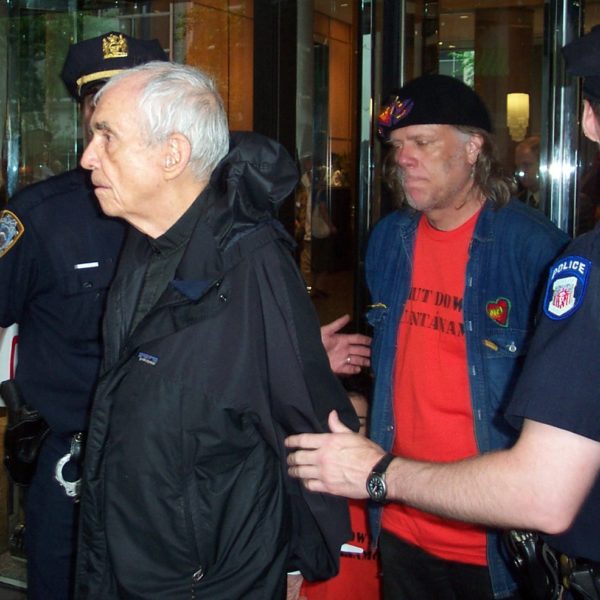
The masters of the demon possessed slave girl in Philippi provide a powerful example of the politics of fear in action. Paul’s reticence to heal the girl and face the likely repercussions in this instance contrasts with the courage of the recently deceased Daniel Berrigan.

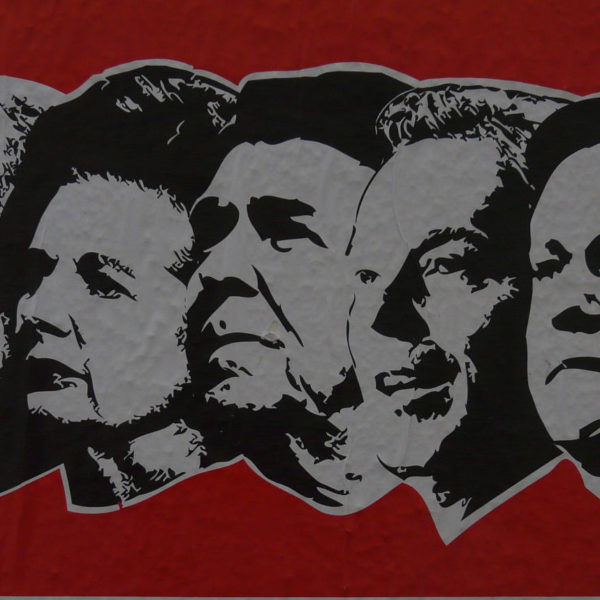
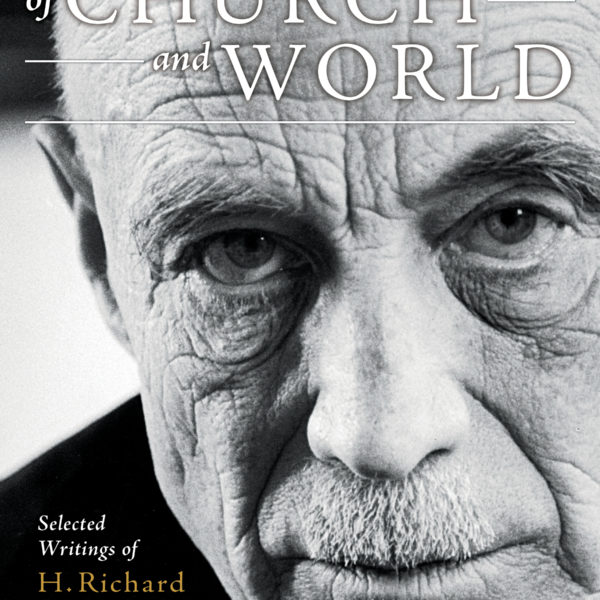

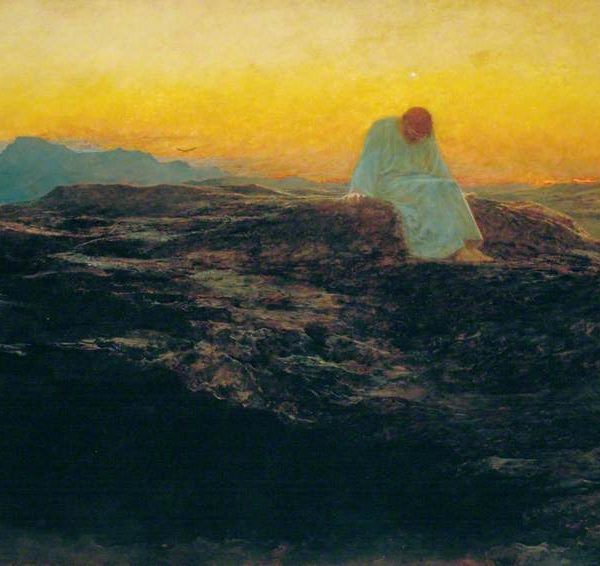
Deuteronomy 26 and Luke 4 both involve the navigating or enduring of pressures. The pressure of God’s liberating inbreaking overcomes and escapes those pressures that would exert themselves against it.
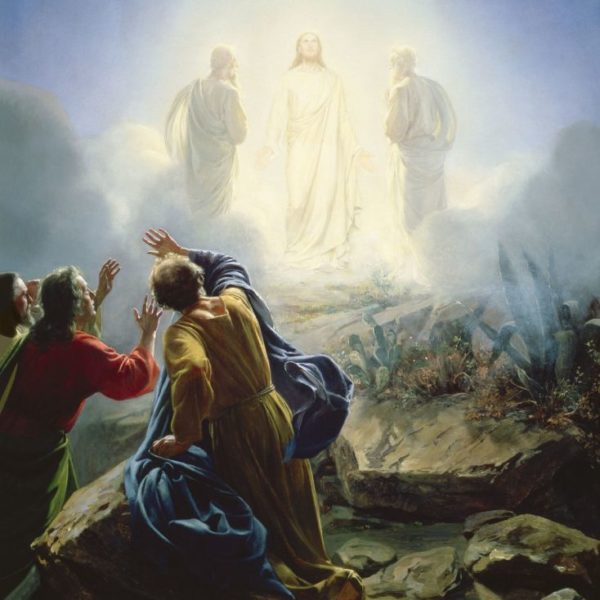
To behold is to stand somewhere between the passiveness of being a pawn in the trajectory of fate and the activity of making the world ourselves. Beginning with the act of beholding grants us necessary perspective upon our political acts and identities.

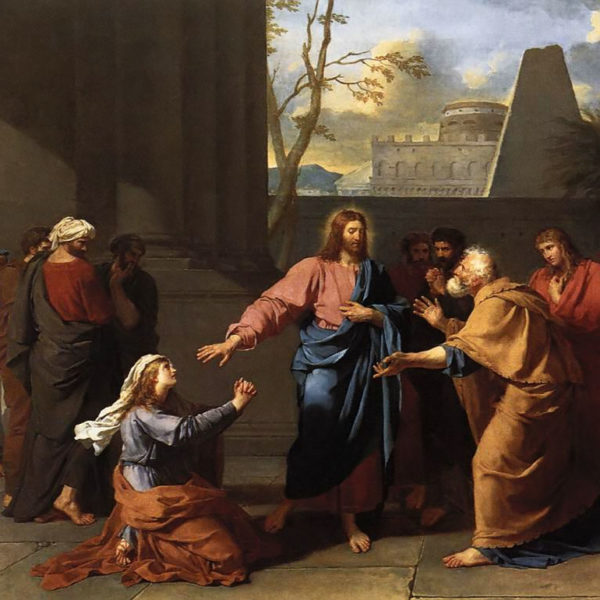
In turning Jesus’ seemingly dismissive image of dogs and children at the meal table to her advantage, the Syrophoenician woman illustrates the tenacity of parents fighting for their children. As we act in God’s name within the world we should show the same determination on behalf of all of his children.
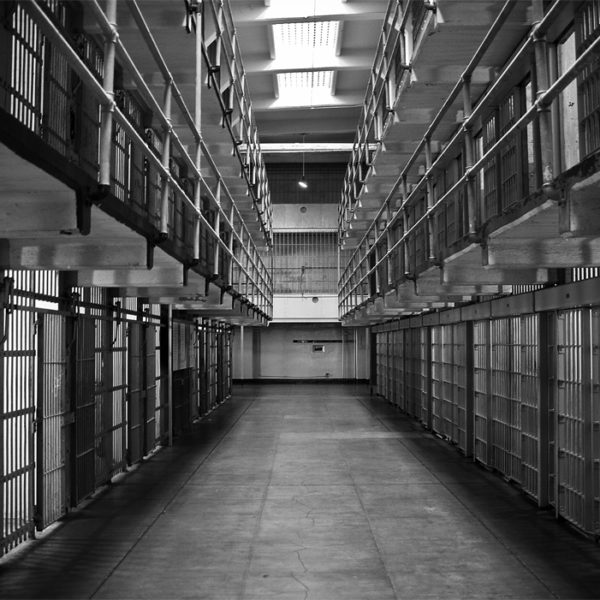
There is a good case to be made that the American criminal justice system is itself criminal. Up until around 1980, all statistics we have suggest that the incarceration rate varied at around 100 inmates per 100,000 people. After about 1977, and especially after about 1982, the rate began to rise; in 2008 it was over 700 prisoners per 100,000, and while it seems to have begun a modest decline in the past few years, it remains over 700. In this context, “American exceptionalism” is not an overstatement; the United States is effectively the largest incarcerator in the world; the only states near us are Cuba and North Korea.