
Jesus offers power through the gift of the Holy Spirit. Rather than being consolidated in one place or in one person, this power is dispersed, establishing not a national entity but an ever-expanding community of belonging.

Hope can persist even when things seem impossible. This affinity with the miraculous, rupturing the force of prevailing law, gives hope its extra-rational power.

If the words of Paul sound harsh, it is because they are–and I am glad that they are. To those who treat other people as bottomless vessels for pain, Paul delivers these rebukes: “This is not lawful. This does not please God. Christ is not in this.”

Islam in China is going through a period of architectural amputation called Sinicization. The result is a haunting landscape where dome-less and minaret-less mosques visualize deficiency as a definition of what it means to be Muslim in China today.
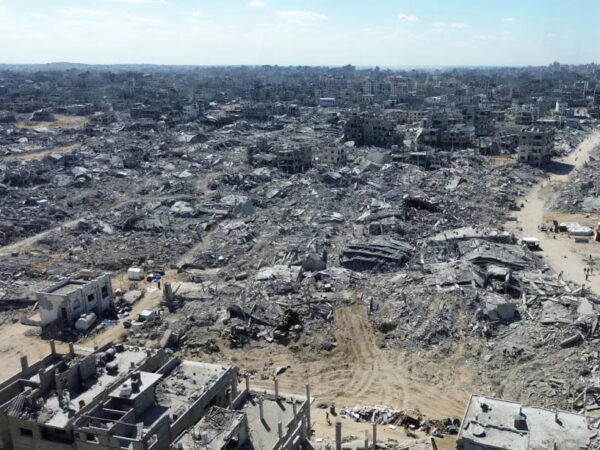
For those witnessing today’s televised violence and mass destruction, the collapse of meaning renders nihilism seductive. Can the collapse of meaning be resisted?

Machiavelli’s Discourses on Livy reveals how religion became not a check on power—but its strategic lifeblood.

Why did Dwight Hopkins, a leading Black liberation theologian and a longtime University of Chicago professor, move toward MAGA?

Luke Roberts introduces the essays in the symposium on Religion and Public Life.

We need to critique the fact that political theology has turned into ideology in Africa.
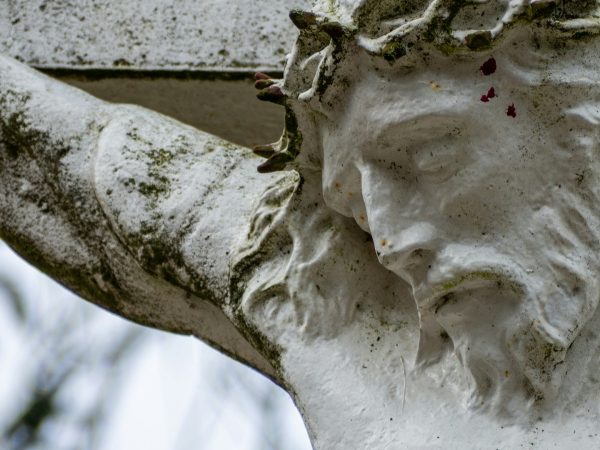
Jesus’s violent crucifixion exposes the inadequacy of Roman “justice” and raises important questions that are deeply relevant for today. For example, what aspects of our justice systems are designed—intentionally or unintentionally—to diminish human dignity and even dehumanize people?

We present some AAR/SBL Annual Meeting 2025 sessions sponsored by the PTN-afilliated Political Theology Program Unit.

Luke’s account thus presses towards a re-imagining of community. Belonging is not guaranteed by purity or boundary maintenance but by practices of compassionate recognition.