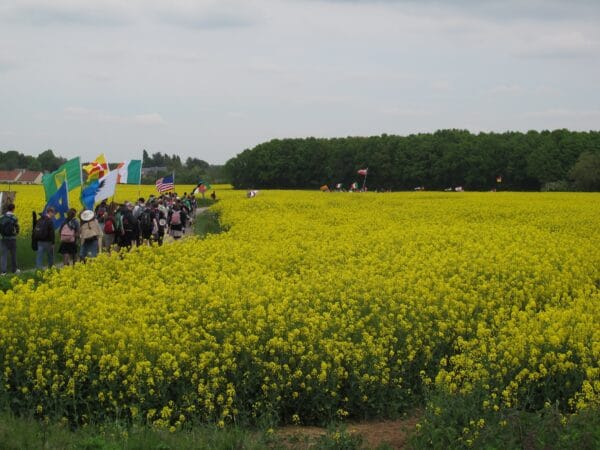
Is the affective sense of meaning, purpose, and immanence a useful political horizon? Is this discourse of utopia something that we should seek to synthesize in religious or secular political contexts, even if its nostalgic historical reality is not born out in factual analysis?

Four scholars discuss their books published for the Transforming Political Theologies book series.
Language and meaning originate not from a fullness trying to communicate itself but from a lack that strives after enjoyment.

Situated on this eschatological middle ground, political theology must reckon with how we live in a time when the kingdom of God is present, creating moments of transformation and rupture…To speak truthfully, political theology must also speak to the quotidian joys and everyday struggles that make up the ordinary time of our lives.
According to Luke Bretherton, theologians, in forgetting that prophetic critique presumes eschatological affirmation, have yet to understand what the work of theology comes to.
How can community be grounded, if neither in force nor in love? To find out, we must reckon with Arendt’s reading of Augustine, for whom love and force were intimately intertwined.


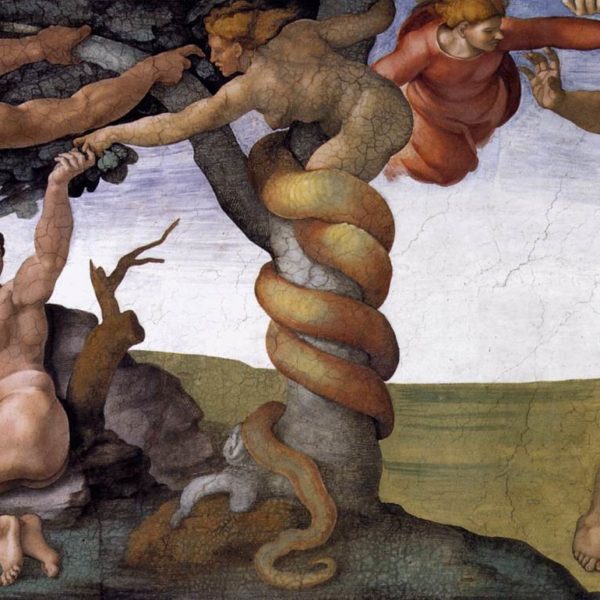
William Desmond (Institute of Philosophy, KU-Leuven, and Department of Philosophy, Villanova University) introduces the latest issue of Political Theology (guest-edited by Péter Losonczi), which is devoted to the theme, “Evil and Political Theology.” His lengthy introductory essay appears here in two parts, first introducing the theme in general, and tomorrow introducing some of the particular contributions.