
Muslim French are heirs to a rupture that has become a continuity. While the Islamic revival in France is often framed as a movement of “modern” young people distancing themselves from their parents’ and grandparents’ “traditional” forms of Islam, many young Muslims describe their religiosity in terms of the inheritances of immigration.
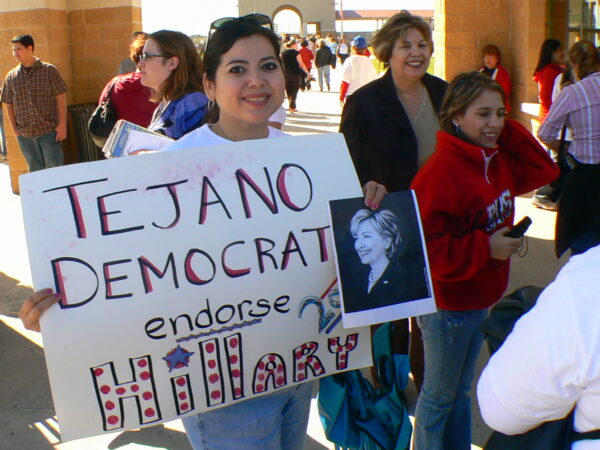
Pentecostals’ political commitments reflect processes of memory and amnesia, assimilation and identity… the stronger the memory of sojourning, migration and exile, the healthier the entrails of compassion for the soujourner’s wellbeing; the greater the distance from the memory of a wandering past, the greater the buy-in to a nationalistic Malthusian ideology that, among other things, paints the sojourner as law-breaking menace to the host society.

Christian-affiliated people who want to heed and hear victim-survivors’ voices and seek justice with violence affected groups need to contend with histories of support for racist, colonial, and sexist policies and programs. This blog post is an expression of my effort to do that.
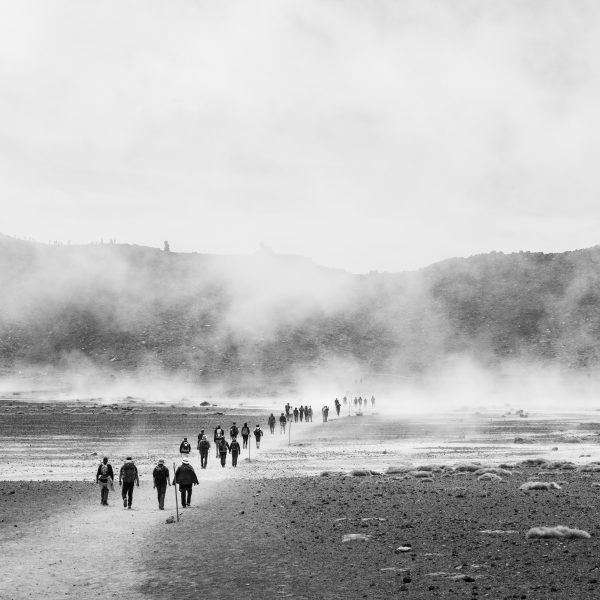
While the pandemic challenges our physical borders, it simultaneously bridges our differences, revealing that we are all migrants.

If one speaks of Political Theology as a “field” with its own “canon” one must surely be preparing to deconstruct it.
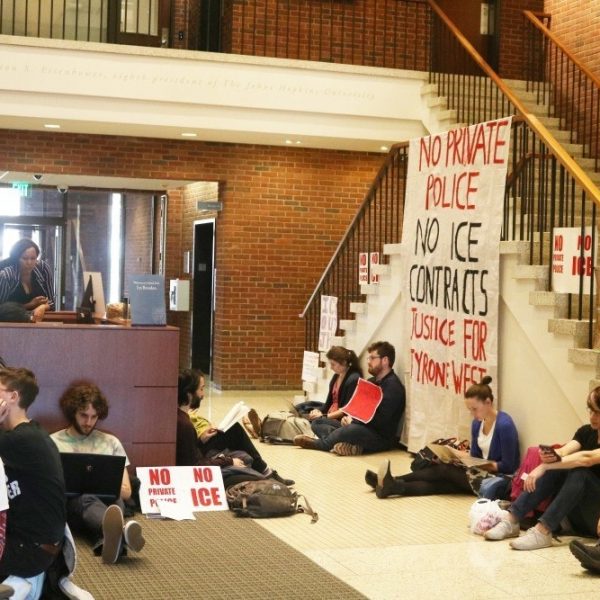
In thinking through what my instruction looks like, I have begun to take into account what the act of deportation does to a family, how it can be addressed and thinking through trauma informed pedagogies to recognize its impact.

The posture that invites those who are struggling for freedom to “Get up and eat, otherwise the journey will be too much for you” is a political posture laden with messianic power.
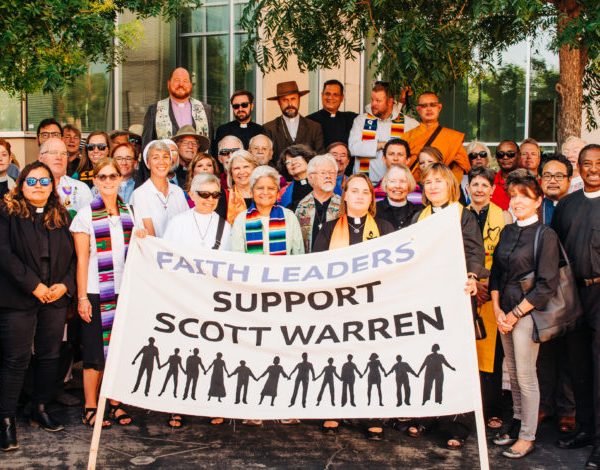
We Christians who are citizens must be physically present on the border with México, that we might bear witness to the realities of what we experience alongside those who are most acutely affected by the policies of the current Administration.
The import of particular identities for the national identity is not to be dismissed precisely because it is what the nationalist agenda attempts. This means that our religious discourse has to account for particular identity experiences as integral parts or building blocks of a multifaceted universal and not as something to be merely included or absorbed by a pre-existing universal condition.
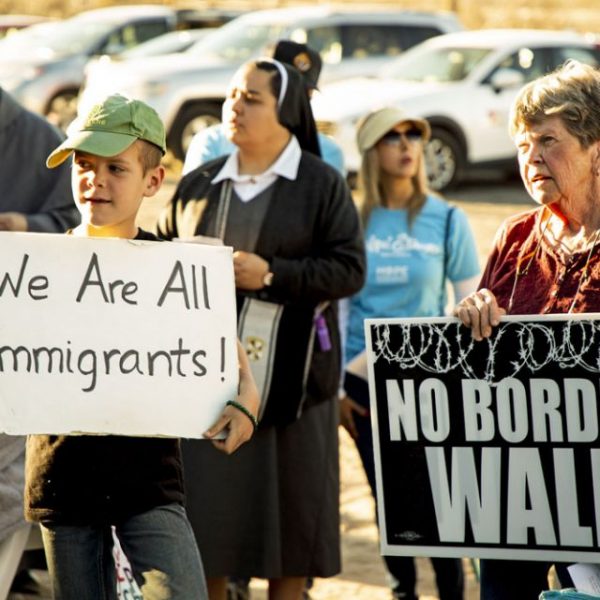
The prophetic role of the Church here is to crack open and break up this renewed parochial nationalism, and remind all of the words of Paul in Galatians 3:28, that regardless of background, we are all one in Jesus Christ.
Life in God is defined by a joyous freedom of movement, a loving and adventurous invitation to the dance of the Spirit. The book of Acts is witness to those who accepted this invitation like Peter, moved to go to a Gentile centurion’s home, thus initiating a new ministry with global implications beyond his ken.