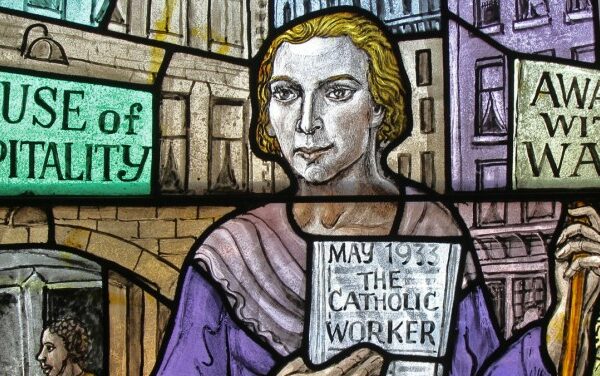
An examination of responses that are counteracting the fascism emboldened by Trumpism; including Dorothy Day and the Catholic Worker movement as well as Christ’s moral imperative for anti-fascist action. A provision of counternarratives of hope to the prevailing motif of the Catholic Right’s resurgence.
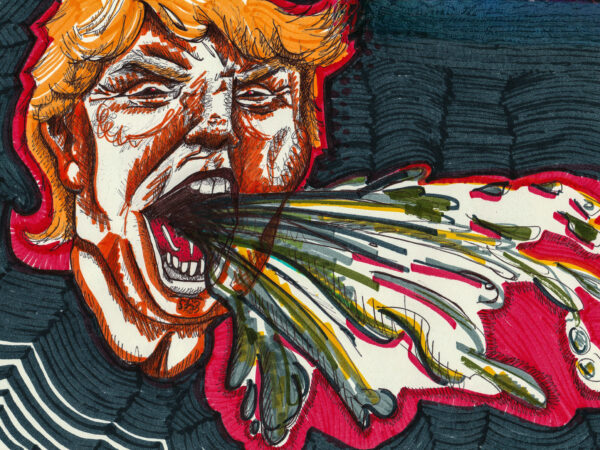
This post is a cataloguing of contemporary fascism which is bolstered by religious ideology. I seek to define it, trace its roots, and remove it from the shadows while inspiring Christian ethical response to counter this plague.
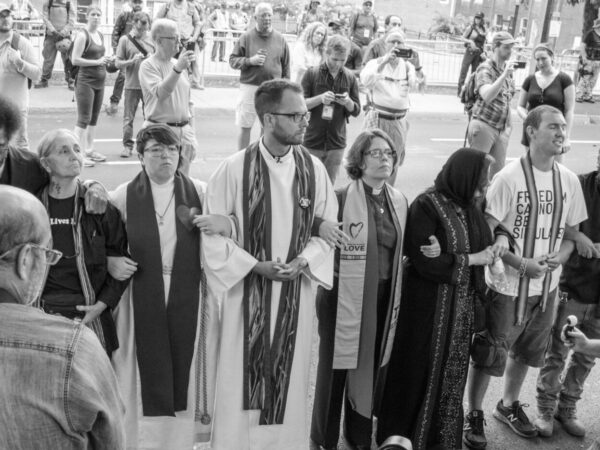
You discuss a God that both invites us to love our enemies, already incredibly challenging, and a God that also seems to allow, endorse, or sometimes invite violence against the oppressor in certain scriptural texts. Both are hard theological pills to swallow.
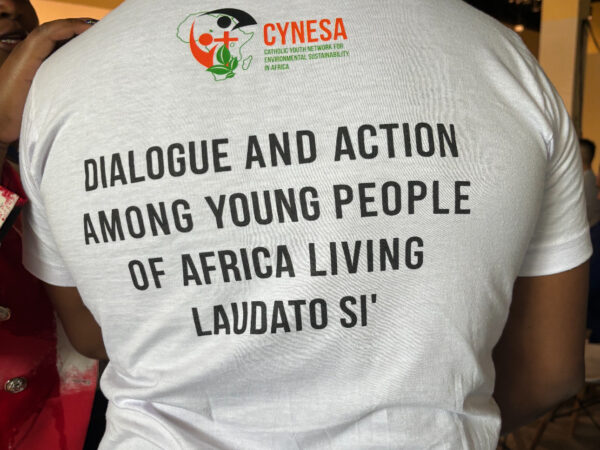
Youth were not very welcome at the table. It was quite common for them to be referred to and accept that they are leaders of tomorrow or the next generation… How can we be the next generation when we’re already here [right now]?

Compost is a living,breathing site of transformation from death to new life. While the following insights from liberation theology may not be articulated in the same way today or fifty years hence, their molecular substructures live on in their fertilization of theological re-visionings that are born of struggle and affirm the liberating primacy of life, love, and solidarity.
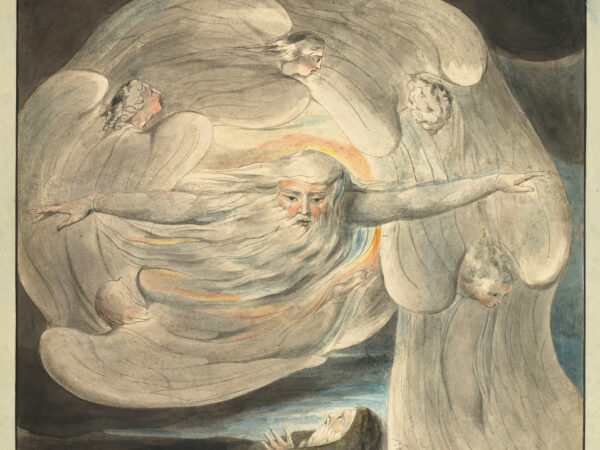
The question then is not so much: “Can providence be liberative?” but rather, “How might liberation be understood as God’s providence?”

Liberation, caught between queer nihilism and eschatological certainty, must seek an third way beyond the binary of hopefulness and hopelessness through the negation of both. It must transpose itself into an apophatic register as the experience of continual failure, an uncertain endless becoming, that might be called simple hope.
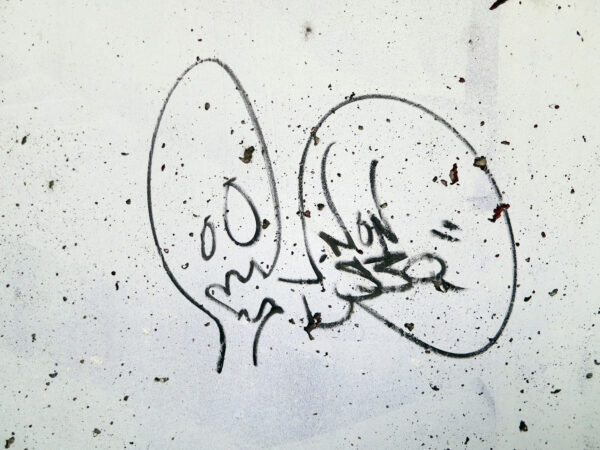
What if Liberation itself must be liberated? Or maybe, like the nonperson and the nonbeing, it has always been breathed into by the breath of white violence.
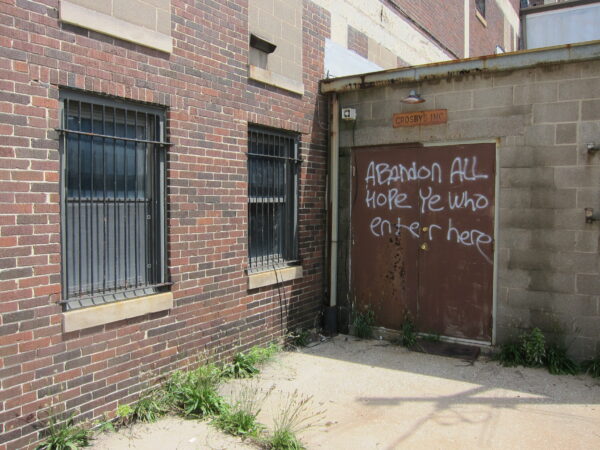
If we are to hope for anything beyond the end of hope, it is in the incommunicable and incommensurable nature that is the moan.

Fifty years after the publication of Gustavo Gutiérrez’s A Theology of Liberation, what, if any, relevance does Christian liberation theology and Gutiérrez’s work have for our present moment? Do we still have a memory of a liberating God? And if not, is there a liberative power in grappling with the absence of this memory?
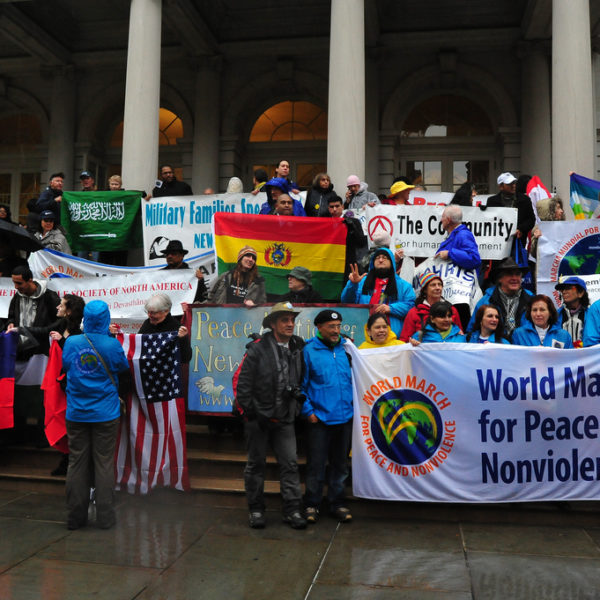
Pope Francis proclaims: “There was a time, even in our churches, when people spoke of a holy war or a just war. Today we cannot speak in this manner.” Yet, we can and have been invited by Francis and others to speak in the manner of centering nonviolence.
In his point-blank manner, Francis draws our attention that such solutions suffered from “the irresponsible derision that would present this issue as something purely ecological, “green”, romantic, frequently subject to ridicule by economic interests.”