In the first volume of Capital, Marx writes: ‘Englishmen, always well up in the Bible, knew well enough that man, unless by elective grace a capitalist, or landlord, or sinecurist, is commanded to eat his bread in the sweat of his brow, but they did not know that he had to eat daily in his bread a certain quantity of human perspiration mixed with the discharge of abscesses, cobwebs, dead black-beetles, and putrid German yeast, without counting alum, sand, and other agreeable mineral ingredients’.

Tonda’s book bears many fruits, but vernacular religion might reveal a different spiritual drama at work in late capitalism than the one the book provocatively stages.
Saving ourselves is not about creating an escapist bubble of churchly naivety while the world crumbles around us…

Whose job is it to praise God? Does praise require language or agency? Psalm 148 answers these questions in surprising ways, relativizing human uniqueness and inviting its readers to view themselves as part and parcel of the larger cosmic community of praise.
The democratic experiment of the last few hundred years is itself simply a promise: that a people can make decisions on how to live together.
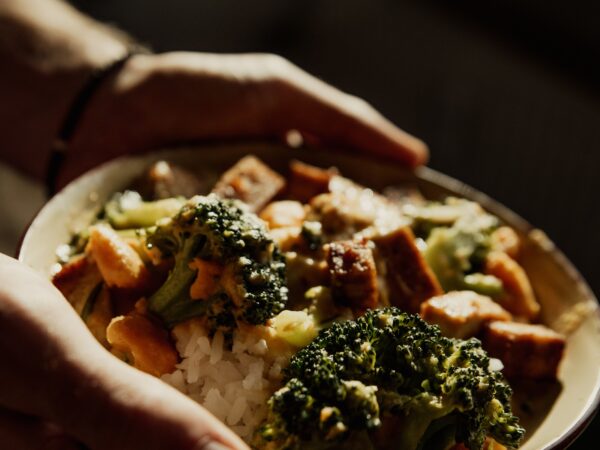
What would change for us if we truly started to see Jesus in each and every creature who comes to our table, as if each were an honored guest?
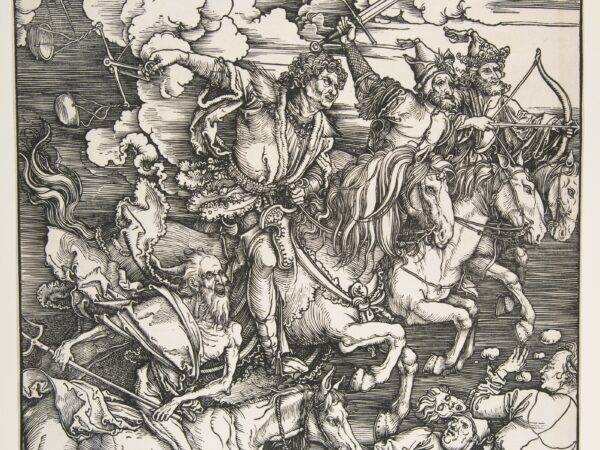
In the Hebrew Bible, the destruction of Jerusalem and other cities is sometimes projected onto the cosmos. The destruction is taken more literally in apocalyptic literature of the Roman era. Destruction is not the end, but a prelude to a new creation (with one notable exception).
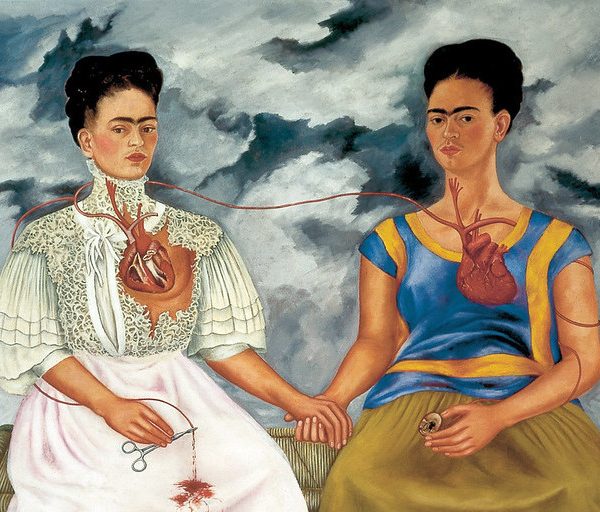
An epidemiology of critique investigates our work as genealogists by taking it too literally. It exaggerates, satirically, the materiality of genealogy’s metaphor and clarifies, sincerely, how it structures critique’s politics—its predisposition to quarantine, purge, and escape.
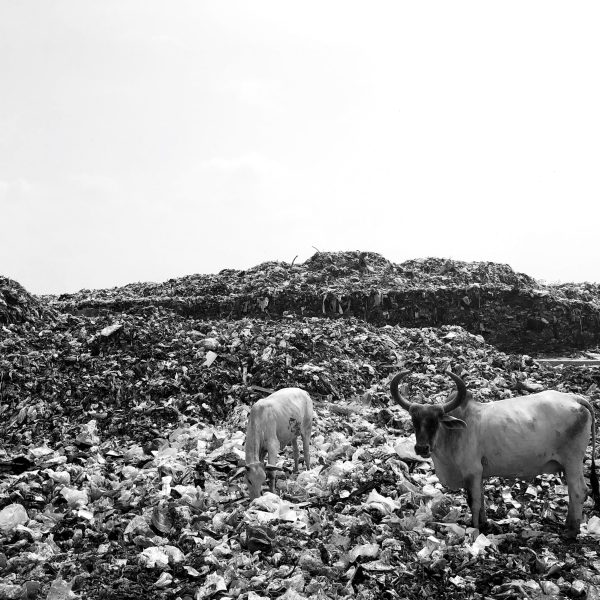
We need to recognize that whether we like it or not, the global community is in this crisis together. Our survival depends on learning to share the abundance we have—our natural and financial resources, as well as scientific expertise and creativity—in the fight to combat climate change.
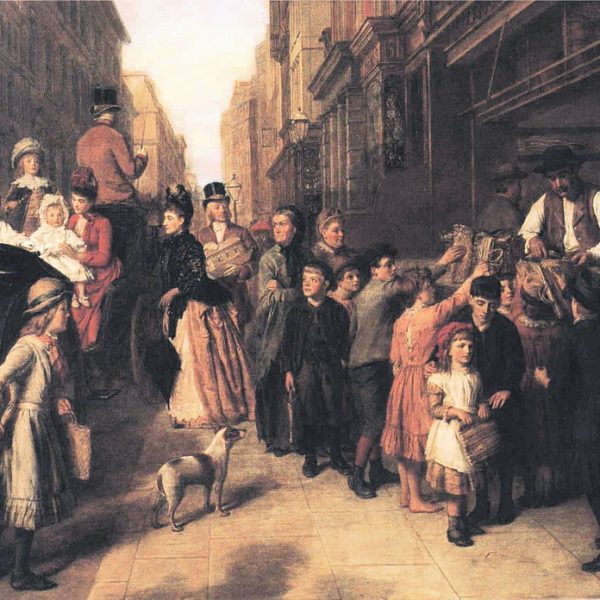
How is the riven social body, with its divisions between poor and rich, to be healed?
I have hopes that a more “religionless” but publicly engaged Christianity is possible.