

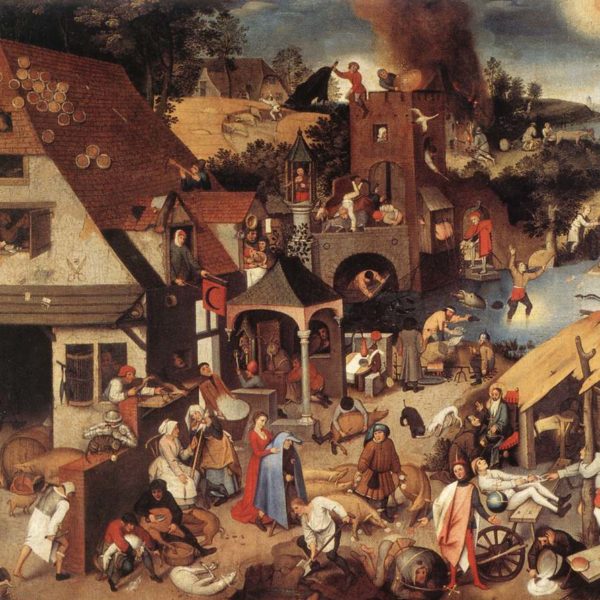
Proverbs presents a vision of political wisdom that calls for deep moral integrity of political actors, both in their most public and in their most private behavior. It offers an alternative to the cynical demoralization of contemporary entertainment-driven politics, with its celebration of permission and transgression.
Jesus teaches his disciples the meaning of waiting in a faithful manner. Keeping watch for God’s work within the world requires avoidance of distraction and a desperate faithfulness.


This book is both a project and a staging post on a shared journey. It is a place where, for a brief moment, the three of us came to rest in order to explore and expand upon our separate reflections on attempts to construct an appropriate contemporary conceptuality for Christianity, and its implications for engaged practice and public theology.


Wisdom’s publicly raised voice challenges the simple ones, who love being simple; the scoffers, who delight in their scoffing; and the fools, who hate knowledge. The reproof of Wisdom is especially relevant in the contemporary political world, where so many of our leaders and politicians thrive upon such popular attitudes.
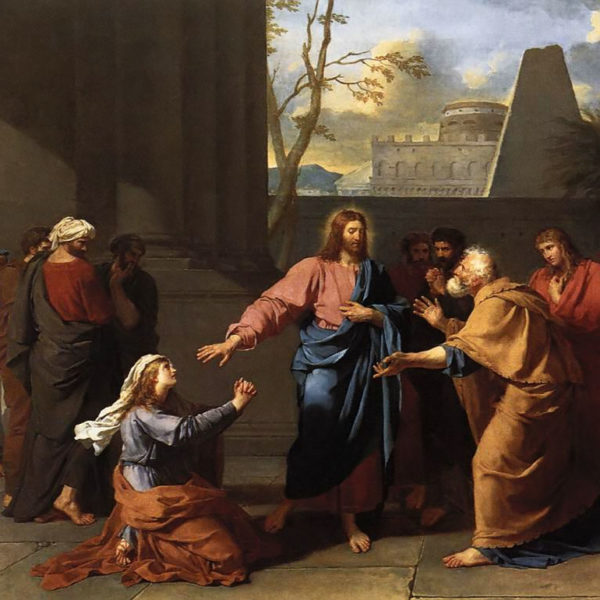
In turning Jesus’ seemingly dismissive image of dogs and children at the meal table to her advantage, the Syrophoenician woman illustrates the tenacity of parents fighting for their children. As we act in God’s name within the world we should show the same determination on behalf of all of his children.
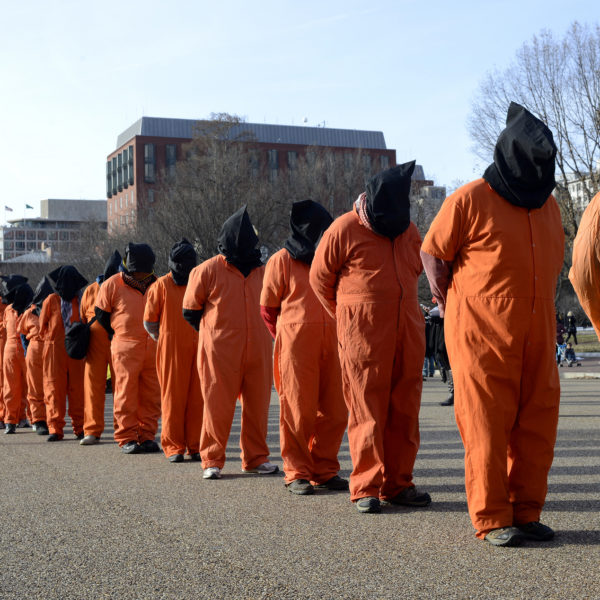
He faces no criminal charges. Indeed, a U.S. judge ordered him released five years ago. Nevertheless, Mohamedou Ould Slahi remains in Guantánamo Bay, after more than thirteen years in captivity. He was snatched out of his home country of Mauritania shortly after 9/11/2001, and then renditioned to Jordan, Afghanistan, and finally Cuba. In U.S. custody he has endured beatings, threats, sexual assaults, sensory deprivation, lengthy exposure to cold temperatures, food deprivation, deprivation of medical care, stress positions, and forced nudity.