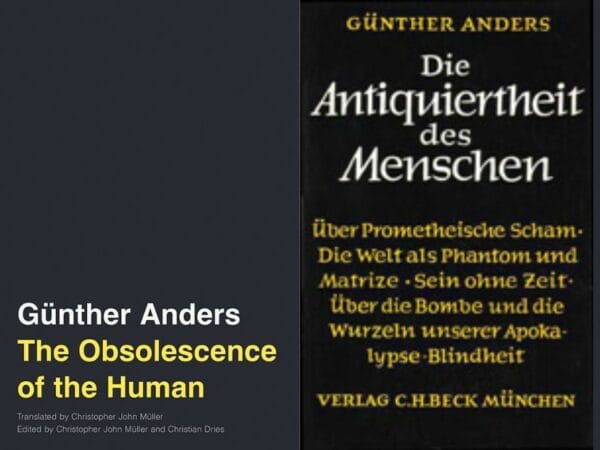
For Anders, the problem is not that humans have created a world of artifice. Rather, the problem is that in the modern technological environment we make products that are not measured on the basis of human needs but dramatically exceed them.
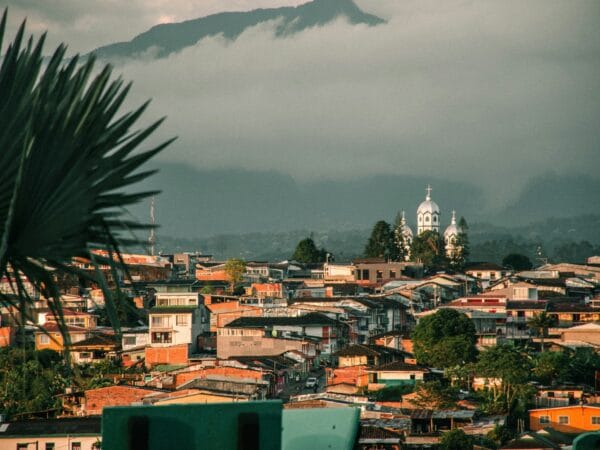
Four scholars discuss their books published for the Transforming Political Theologies book series.

Zahi Zalloua responds to Benjamin Davis’s review of his new book, To Exist as a Problem: Being Black, Being Palestinian (2026)
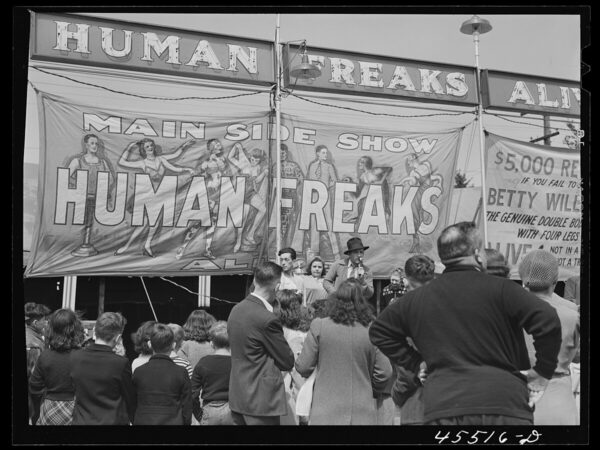
The Catholic Southern Gothic author Flannery O’Connor’s short story A Temple of the Holy Ghost explores the contradictions of incarnation in ways relevant to contemporary discourse between Catholicity, political theology, and transfeminism. By engaging with the carnivalesque and Freud’s uncanny, I will apply the story to conversations about trans inclusion in Catholic communities.
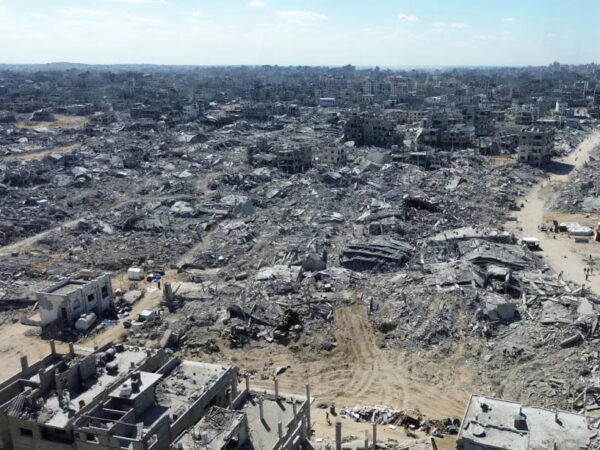
For those witnessing today’s televised violence and mass destruction, the collapse of meaning renders nihilism seductive. Can the collapse of meaning be resisted?
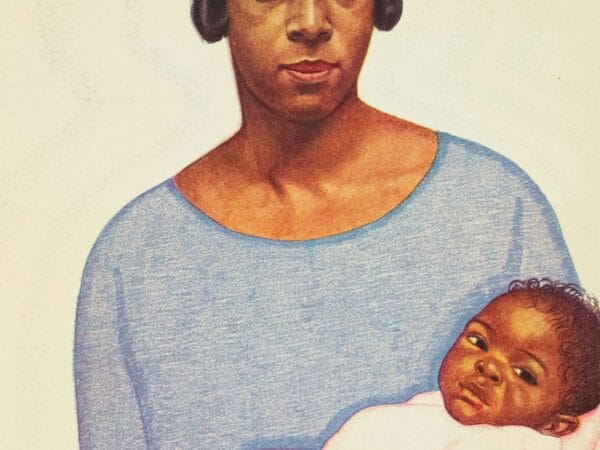
This essay is part of a book forum on Immaculate Misconceptions by Amey Victoria Adkins-Jones.
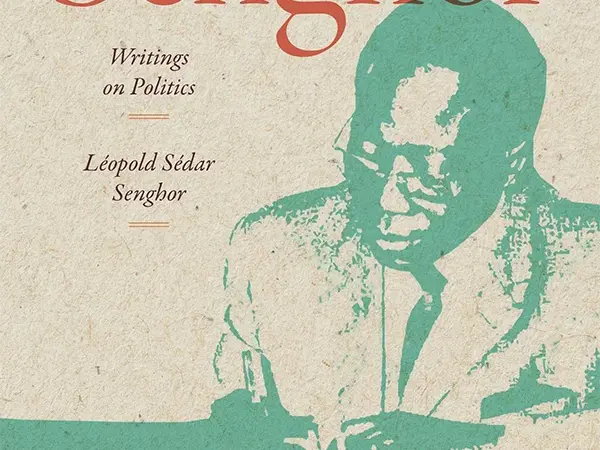
Translating Senghor’s political writings shows the continued relevance of Negritude in the conceptualization of political community in the wake of the encounter between Africa and Euro-America. However, framing the translation, like engaging any of Senghor’s work, ought to pay close attention to his African critics.
This article delves into Walter Benjamin’s epistemology, focusing especially on his perspective on art and historical reflection.

Violence here is not the symmetric flipside of speech. While destroying the semblance of peaceful normality, the violence of Palestinian armed struggle “communicates” on a political and epistemic level: it violently makes violence visible.

The joy of Christmas is always mixed up with the grief of the world’s suffering. One need only look today at the very town the magi came to visit.

What happens when kings and rulers are confronted by a child whose very presence boldly proclaims that God is with us? Sometimes children have an astounding ability to disrupt the status quo. They resist passivity and compliance, they dream boldly and they demand justice. Who are our Immanuels today? And what do we do when we encounter them?
From Colombia to South Africa, from a decolonial stance to trauma theory, these scholars have offered polysemous approaches to the political as well as the theological.