In Conversation: Dipesh Chakrabarty and Alapan Bandyopadhyay, with an introduction by Milinda Banerjee. Translation by Milinda Banerjee and Sreyoshi Bose.

What is theology for? In her new book, Karen Kilby outlines the purpose, as well as the limits of theological reason.

Living in a time of double pandemic, as the dual waves of racism and COVID-19 wreck against the hulls of our ships and the walls that support us feel increasingly insufficient and even flawed, we, like Peter, may know and trust the call of our God to carry forward in God’s path, and yet waver.

In following Jesus, they would break the chains of doing things the way they were always done, and they would have a chance to form a new community. But they were to leave behind all the comfort and security.

The call of Jesus to Simon, Andrew, James, and John summons them to leave behind a way of life that supported an exploitative imperial economy and to devote their efforts to serving the kingdom of God instead.

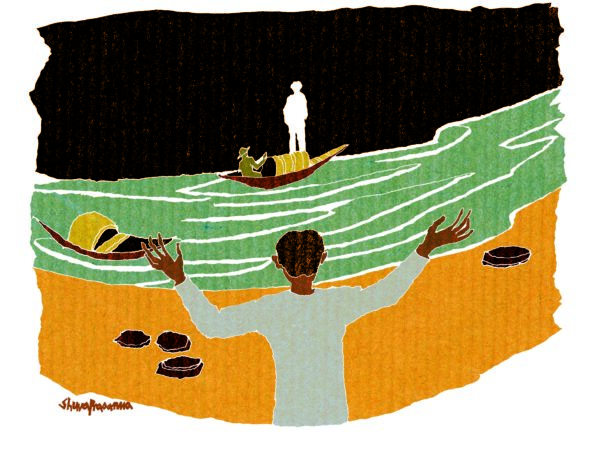
In the context of Roman rule in Galilee in the first century CE, the abandonment of fishing was an act with political connotations. When the first disciples left their nets they were ceasing to fund the empire and serving a new kingdom.
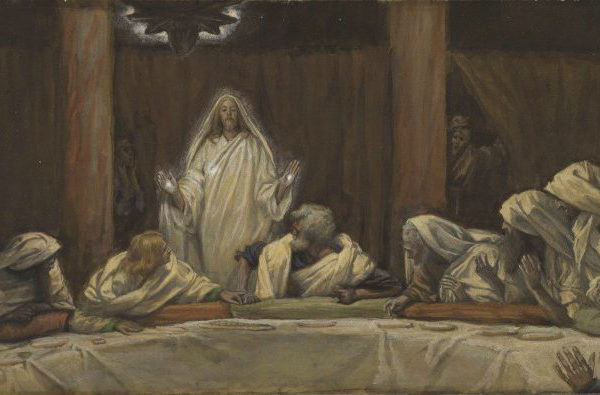
The law is a dying and rising reality, not a dead letter etched in stone. Through the hermeneutics of resurrection words once consigned to the grave of the past burst with liberating and life-giving force upon an unsuspecting world.
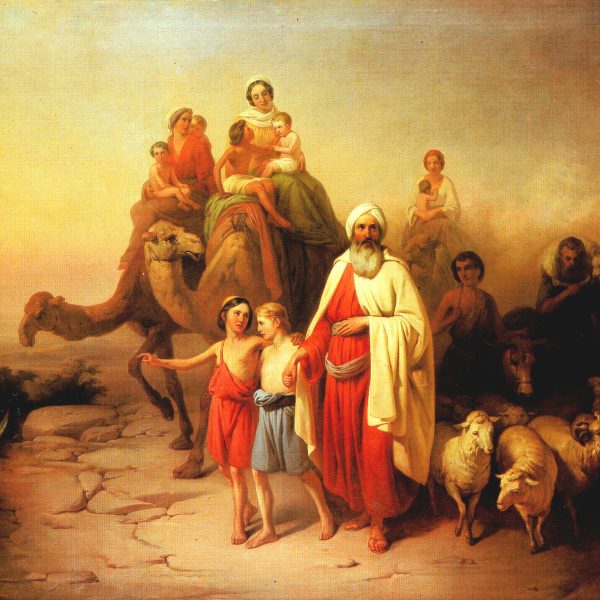
Faith is an enacted practice we live into through our whole selves, continuously laying our souls and bodies bare and vulnerable before the unknown. The consequences of this are thoroughgoing, touching every single aspect of our lives and making demands on both our loyalties and our activities in the world.
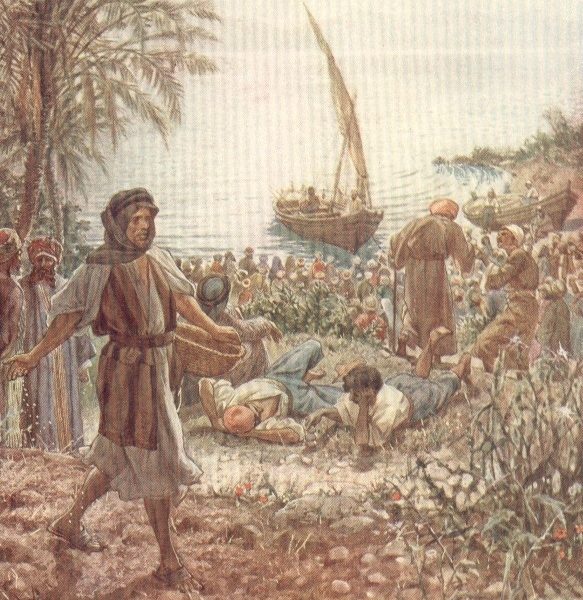
The power of state in both Greco-Roman times as well as today hinges upon a hierarchal power structure. Jesus, however, calls us to compassion in a horizontal social structure.
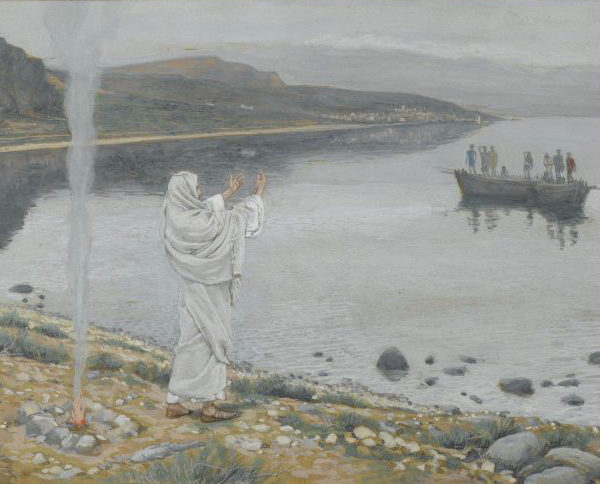
The disciples’ failure to find their desired results when they returned to fishing following the resurrection of Christ resonates with the experience of many who are drawn back to old patterns of life after a personal encounter with Christ. Their struggle to recognize the risen Jesus challenges us to form communities within which Christ’s presence will be apparent to people in a similar state of uncertainty.