We live in a hyper-ideologized age. The inner circles of both “us” and “them” are getting smaller and smaller. The world is increasingly polarized, partisan, fundamentalist. Or at least it seems so. There are forces—including algorithms—at work, teaching us to think in “us” versus “them” frames.

If the words of Paul sound harsh, it is because they are–and I am glad that they are. To those who treat other people as bottomless vessels for pain, Paul delivers these rebukes: “This is not lawful. This does not please God. Christ is not in this.”
We are a people once asleep, now waking to a new world, where our forms of life have done irreparable harm to our earth and helped to unleash a deadly pathogen on ourselves. We must ask, how will these bones live?
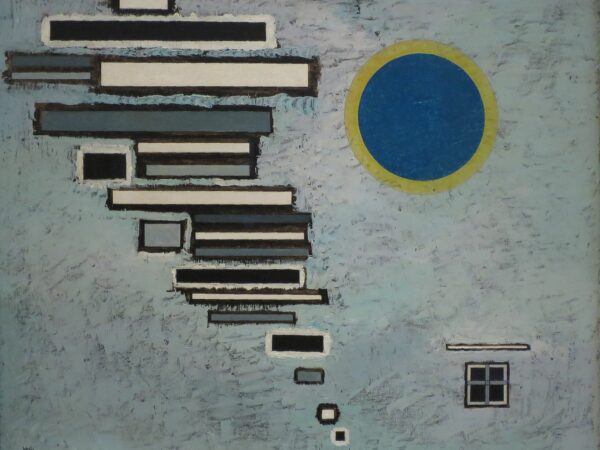
What [Henry’s] oeuvre offers political theology is a reimagining of what constitutes life together—an attention to Life and thereby, spirituality.
It is only in the memories of Jesus the fully human that we can find what I argue is the greatest power of the Passion for human lives held captive by the oppressive forces of Empire: the strength to face our crippling fear, stare the full oppressive might of the state in the face, and refuse to cede our full humanity – our joy, love, compassion, and hope – in service to the state’s liturgies of violence and fear.
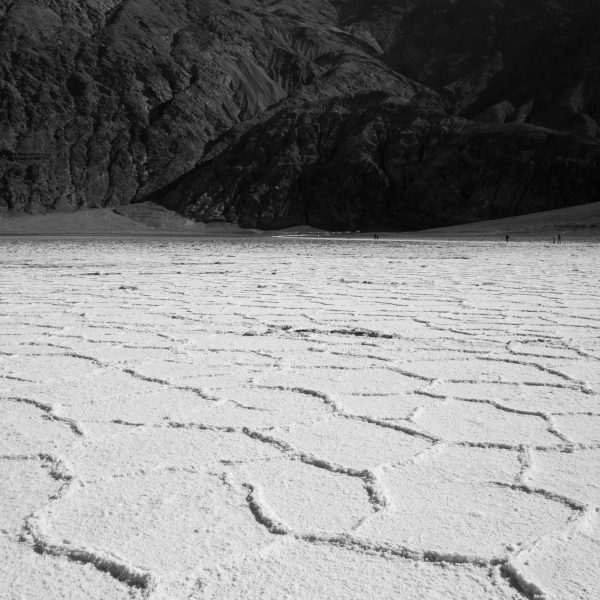
We are a people once asleep, now waking to a new world, where our forms of life have done irreparable harm to our earth and helped to unleash a deadly pathogen on ourselves. We must ask, how will these bones live?
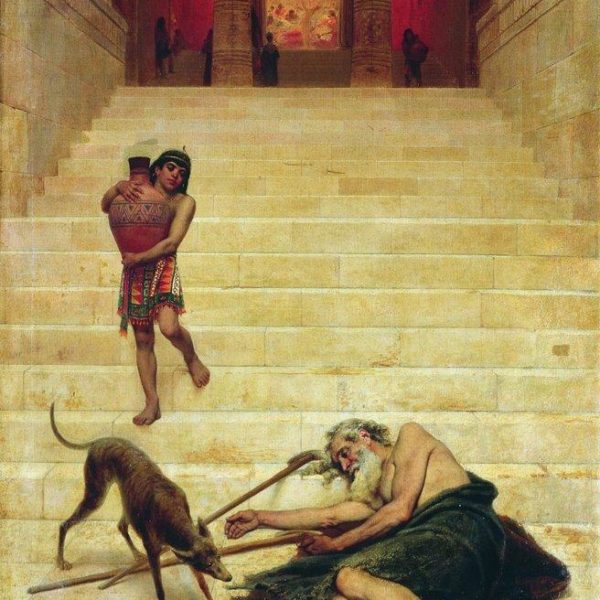
Jesus’ story of the Rich Man and Lazarus is a challenging account of the one neglected at the gate, who ends up being exalted, while the one at ease within is cast out. This story has a particular contemporary resonance in the context of the recent events surrounding the construction of the Dakota Access Pipeline.
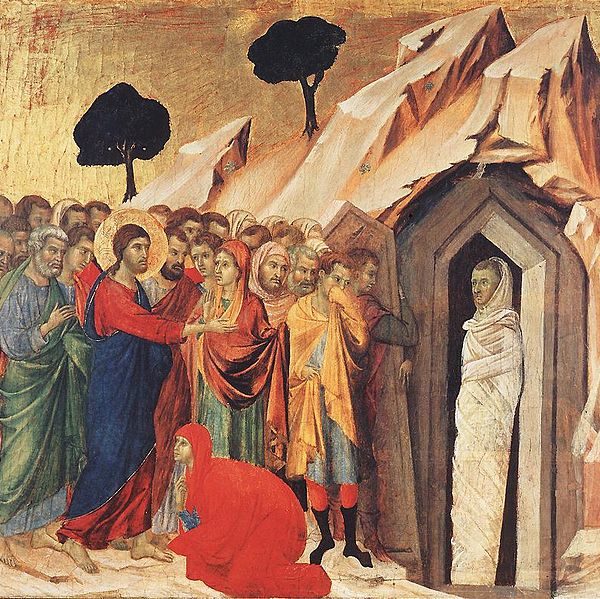
Although at first glance they may appear incidental, the frequency of border crossings in the story of the raising of Lazarus suggests the presence of a theme. Through a narrative of successive boundary crossings, the power and willingness of God to traverse any distance and border is made manifest.
The reign of God may be hidden, but it invites participants to risk much—even everything, to know the joy and treasure inherent in this alternative way of life in the world.

For someone who grew up being told they barely count as human, the idea that God is specifically mindful of them is not a moment of little surprise. It is a life-changing claim.