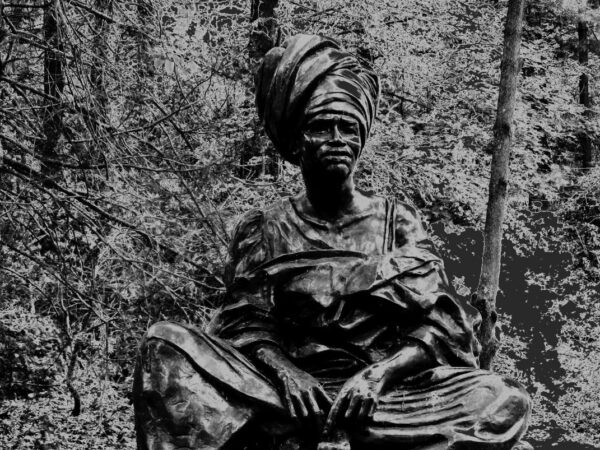
“[These books] exhibit the fruits of decades of scholarship urging us to engage a wide variety of Catholic subjects and to allow for the strangeness of religious experience, and yet at the same time contribute so clearly to older strands of work on intellectual and political history.”

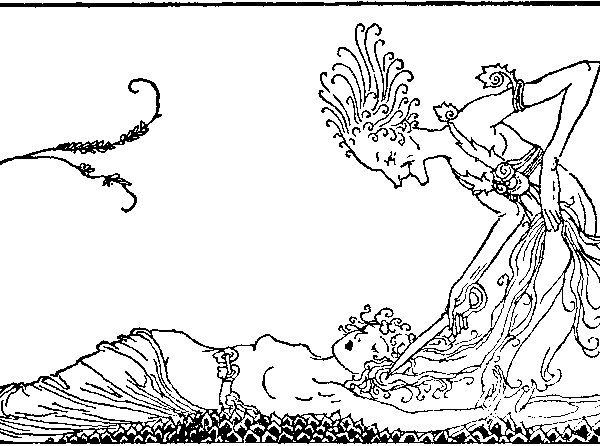
The trickster, an ancient and nearly universal character, offers a new and better-fitting political theology for the twenty-first century than the Abrahamic god.
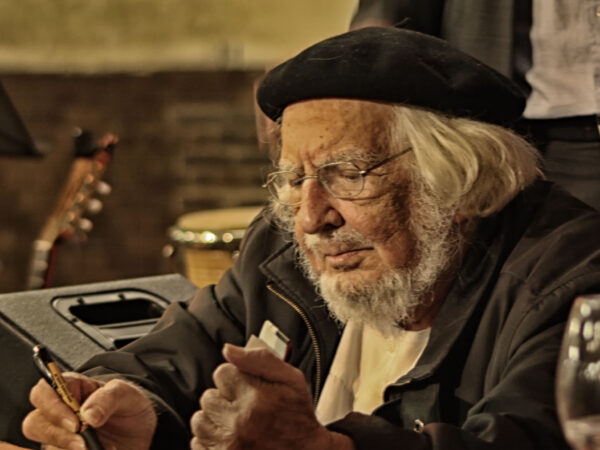
The rise of political theology in the twenty-first century is correlated to the eclipse of liberation theology in the twentieth—but recent works by Michael Hogue, Adam Kotsko and Karen Bray suggest the emergence of a futural theopolitics challenging the sacred/secular binary.
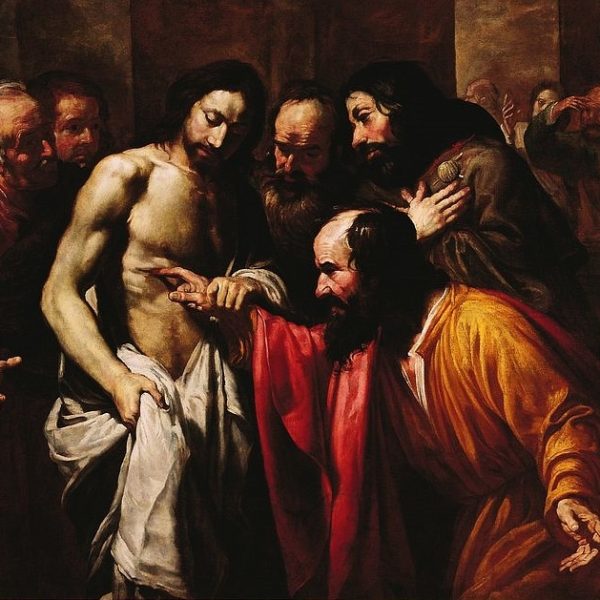
Real faith knows and embraces doubt and questioning. Rather than locking ourselves in, as the disciples first did, we should learn from the curiosity of Thomas. The opposite of faith is not doubt but fear, and it is time to shed our fears.
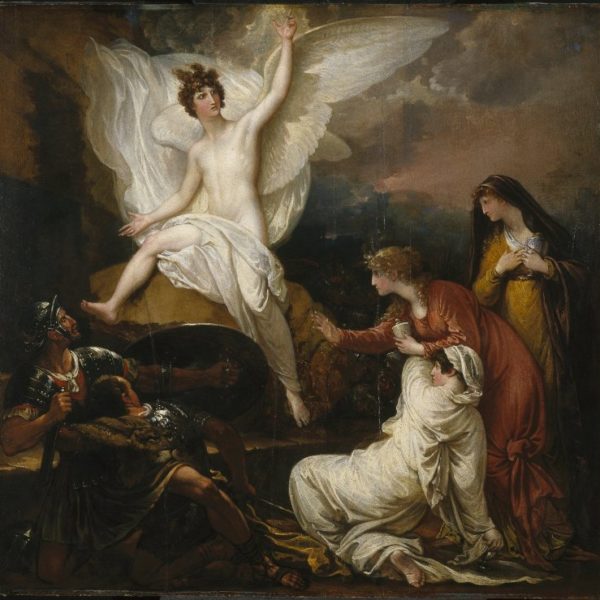
The events of the first Easter invite illuminating parallels and contrasts with the shock and terror of contemporary state violence.
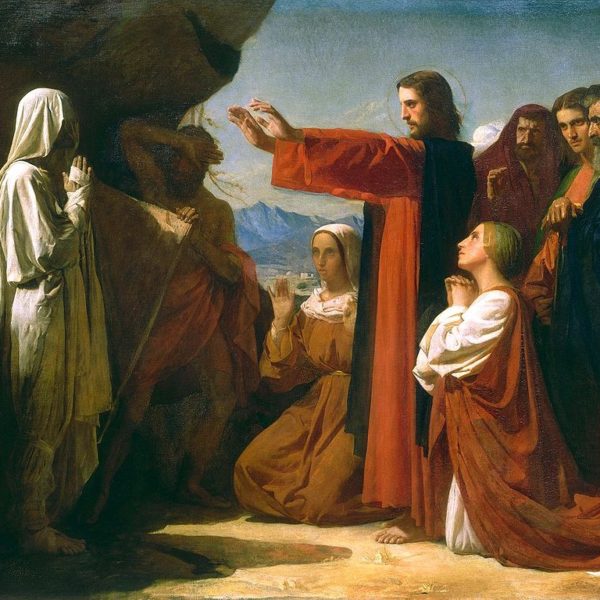
Had God merely sent his Son, that would have been enough, and more than enough. However, God’s love is a love that goes over and above what could be expected, and which calls us to do likewise.
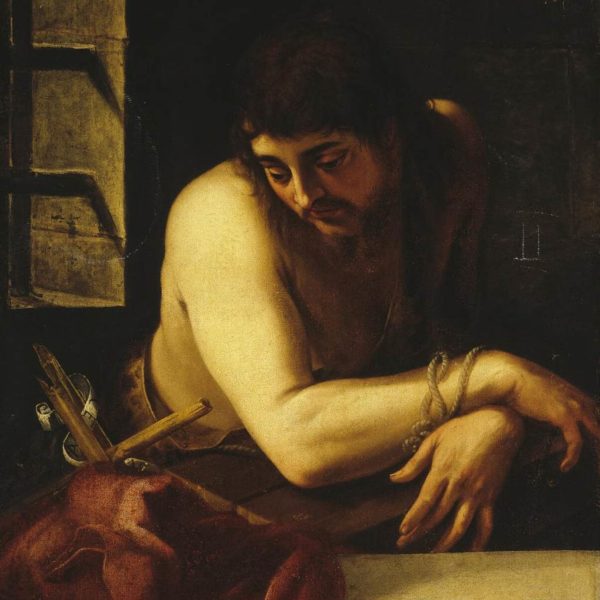
The interconnected identities of Jesus and John the Baptist are a matter of speculation in the Gospel of Matthew. The truth is revealed through the fulfilment Old Testament prophecy and against the foil of the brutal rule of Herod.
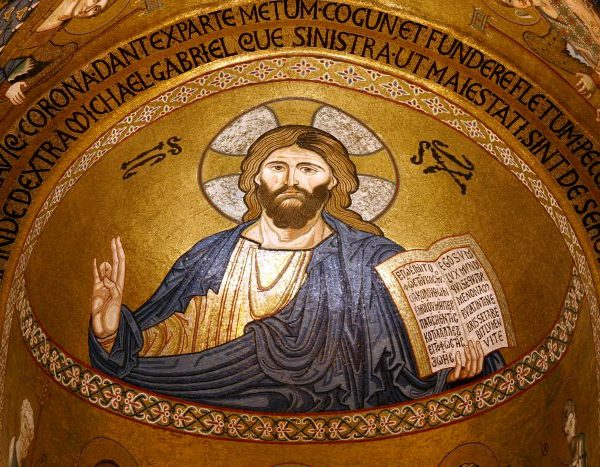
In a powerful hymn of praise, Paul discloses the truth that must lie at the heart of all Christian political theology: Christ the first in and over all of the creation.

Ahab’s murderous appropriation of Naboth’s vineyard is an example of rulers’ assault upon and destruction of local wealth built up over generations. A contemporary analogy to Ahab’s sin can be found in government treatment of Black communities in highway construction.
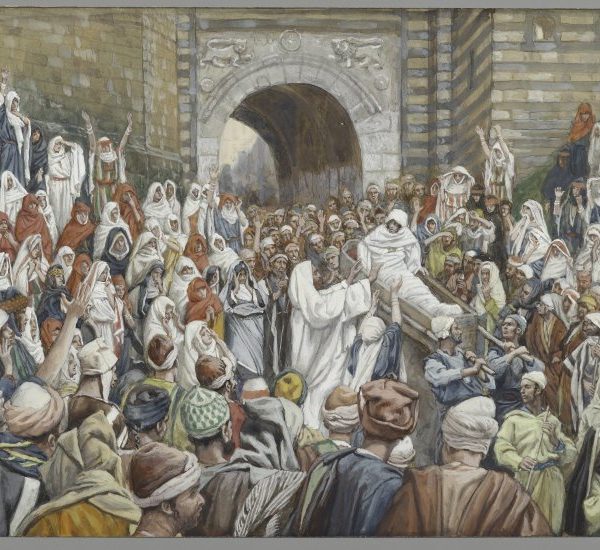
When a large crowd of admirers met a large crowd of mourners, Jesus noticed the widow, a political act of directing attention to one whose life was most imperiled. Followers of Christ would do well to do the same.
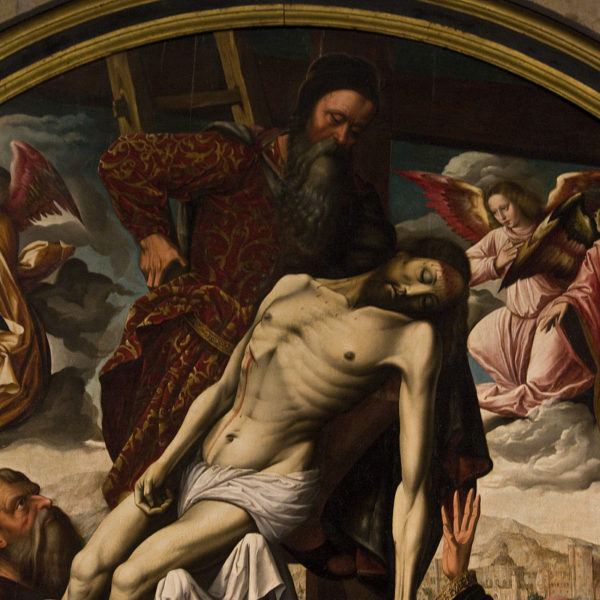
In most reflections about Good Friday and the events surrounding the Passion, the focus is squarely on Jesus, and to be sure, one can hardly deny that this is where it should be. However, it is interesting to note the extent to which the Gospel authors are quite interested in what these events reveal about the disciples that had followed Jesus up to this climactic point in his ministry—not just the Twelve, of course, but all those who had heard his word and believed in him.