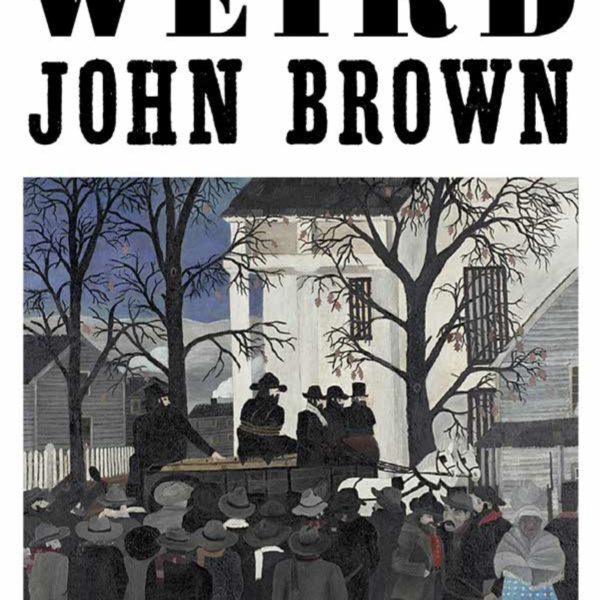
Ted Smith delivers an unprecedented thesis about Brown’s violent assault on slaveholders as the human side of a “divine violence.” From beyond the limits of any earthly system of political justice and social ethics, this is a divine judgment against the validity of an entire system of political ethics. Addressed, for one, to American ethicists today — both those who teach and study in the university and those who voice their ethical judgments on street corners, in churches, and across the Sunday dinner table — Smith’s words, while gently spoken, deliver their own report of divine judgment.
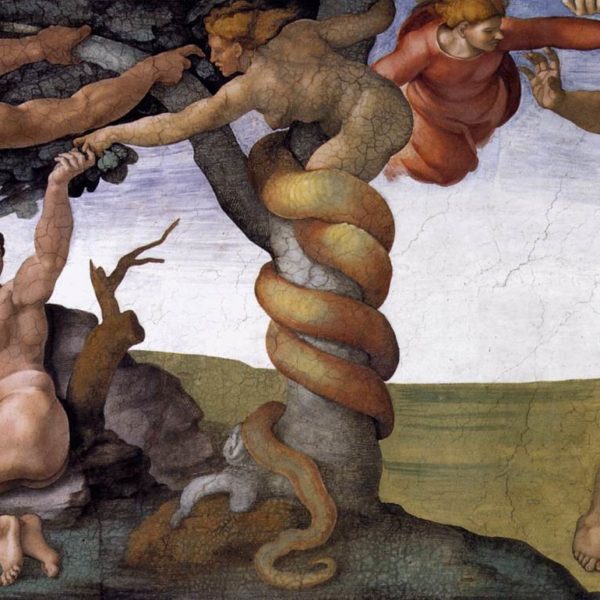
William Desmond (Institute of Philosophy, KU-Leuven, and Department of Philosophy, Villanova University) introduces the latest issue of Political Theology (guest-edited by Péter Losonczi), which is devoted to the theme, “Evil and Political Theology.” His lengthy introductory essay appears here in two parts, first introducing the theme in general, and tomorrow introducing some of the particular contributions.


The proposal to proclaim the adhan or Muslim call to prayer from the top of Duke Chapel’s bell tower yesterday provoked a number of reactions. These ranged from the vitriolic and vengeful to the dismayed and discomforted. From the deluge of emails the university received and the long strings of comments posted after articles covering the issue appeared on websites, these overwhelmingly negative reactions came not just from Christians but also from Jews and those of no faith.
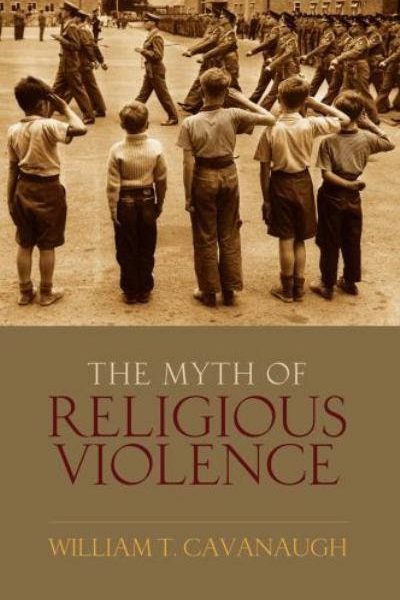
Issue 15.6 of the journal Political Theology is a special issue on William T. Cavanaugh’s The Myth of Religious Violence. Dr. James Murphy served as guest editor of the issue. Below he introduces the symposium.
The appearance of William Cavanaugh’s important new book offers a strikingly new take on the familiar debate about religion and violence. According to Cavanaugh, it has become a very widespread article of faith that there is something especially dangerous about religion.
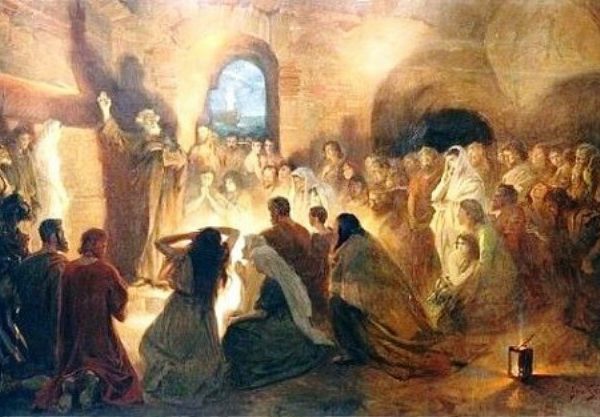
The Apostle Peter calls for the virtues of patience and peace in our waiting for the eschaton. At face value, these virtues might appear more congruent with an apolitical complacency. However, closer reflection reveals that they involve both the work of bringing peace and commitment to works of anticipation.

Justice fails where civil law and order are privileged over peoples’ ability to determine their destiny by confronting affronts to their dignity by legitimate powers. Let me offer two examples. I confess I am still in love with the Occupy Movement (OWS).
Within Christian traditions, one may be met with this provocative question: does “political theology” or “social ethics” sponsor liberative practices oriented towards human flourishing? Interestingly, the framing of this question requires one to choose a side. One must argue that either political theology or social ethics is poised to address the myriad theo-ethical issues we face, particularly issues of difference, pluralism, and alterity. I believe that this is a false framing of the question.


Israel’s experience of thirst in the wilderness should draw our attention to the experience of those for whom thirst and lack of water is a reality of life in our own day. We must identify and address some of the ways in which we are complicit in the forms of injustice that produce such a situation.

In his new book, LeRon Shults gives us a very helpful tool to help evaluate religion and politics in the context of Deleuzian “theology” in what he calls the “bio-cultural study of religion, ” which claims that “religious phenomena can be explained by the evolution of cognitive processes [Attributions] that over-detect human-like forms and coalitional process [Social] that over-protect socially inscribed norms.”
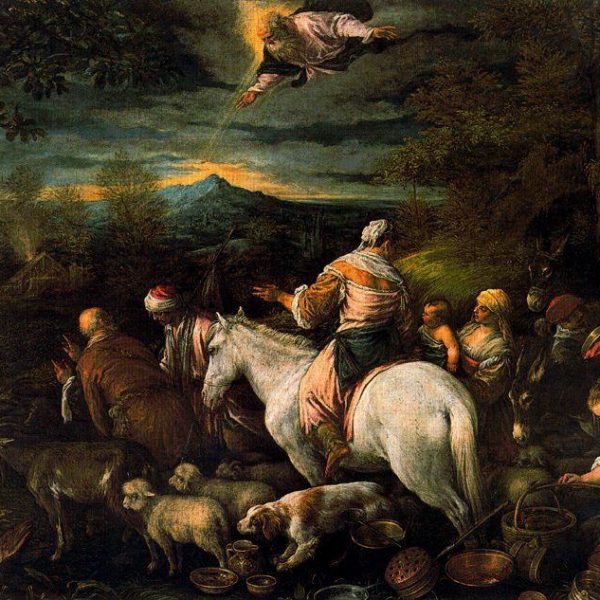
It is tempting to airbrush out the uncomfortable reference to the Canaanites living in the land promised by God to Abram. However, the questions raised by this text are worth tarrying with, presenting us with challenges that are deeply pertinent to our own situations.