
In May 2014, Indian Prime Minister Narendra Modi travelled to the riverside holy city of Varanasi to worship mother goddess Ganges in gratitude for his victory in the national elections. This grand self-promotional gesture by a prominent Hindu nationalist politician illustrates how religion and politics remain enmeshed in India. Even though the democratic constitution of the nation-state has been modeled on western varieties of secularism, everyday politics is infused with religious iconographies.
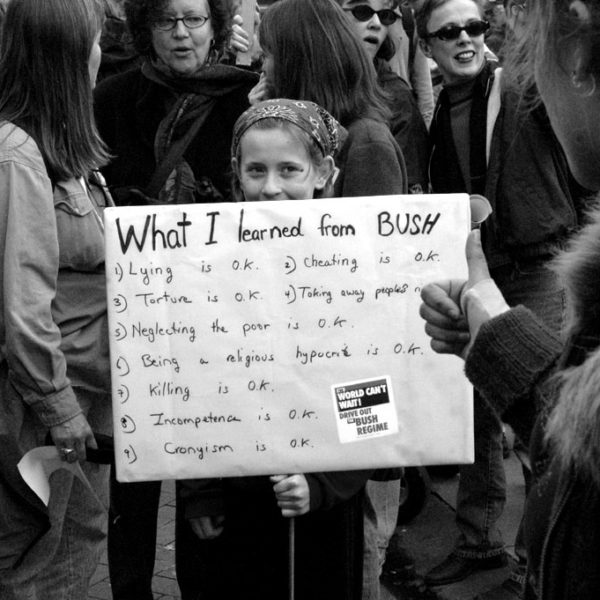
So what do the findings I have shared indicate for the future of the Christian right? They demonstrate despite the Republicans recent 2014-midterm results, that millennial Christians are more ambivalent about politics than their parents. According to Pew Research, millennial turnout in 2014 was down 6 points on the 2012 Presidential election, whilst there was 6 point increase amongst baby boomers aged 50-68. Older white Christian males swung the election in the GOP’s favour. Though this temporarily bodes well for GOP-Christian right relations, it is clear that there will be a significant age-gap problem very soon, for partisan ties are very much weaker amongst millennials.
Hollywood and academia may not often be thought of in one breath, but they do share some things, not the least being a hyperventilating and parochial culture of celebrity. Having been in this business now for a few of these cycles, I’ve seen ‘em come and I’ve seen ‘em go. Which figures are selected to be smiled upon by the fame machine seems almost random, a matter of tuche, the semi-theological bad luck of those who are selected, by a blind fate, or an erratic Greek deity. The perduring and valuable work of genuine scholars mounts in height and depth gradually over decades, chiseled out of serious matter, and their import is often recognized only in retrospect, late in a career or after the author is dead. Others—the academic version of one hit wonders—flash up in an instant, are talked about—though not as often talked to, and still less often carefully read—for a frenzied spasm of a few years, then are dropped like an empty foil bag of chips, left to blow heedlessly among the trees in the groves of academe, or to wander the halls of academic conferences, for decades to come.
I’m afraid, but I’m quite sure, that the work of Agamben falls into the celebrity category. […]
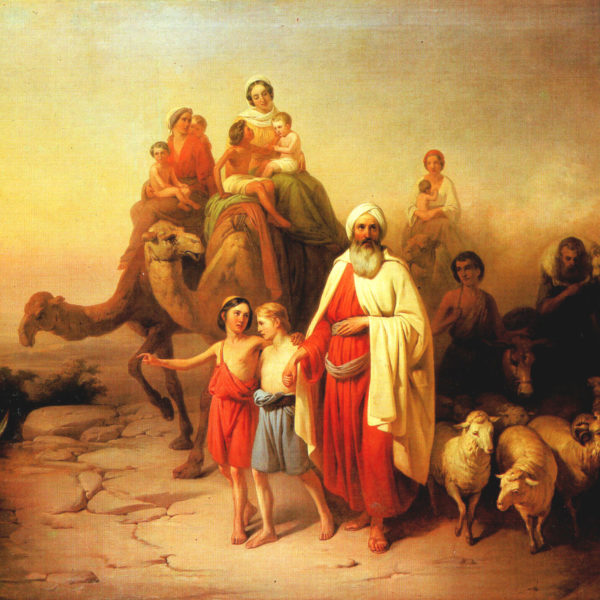
The call and blessing of Abram in Genesis 12 is the beginning of a thematic thread that is developed over the rest of the scriptural witness. As the heirs of Abram, we are both the recipients and the bearers of his promised blessing to the nations.


This is what is at the heart of the story. John comes preaching a message of the kingdom in the strongest possible terms—You brood of vipers! As part of his message, to which people seem to be responding, is that they need to “bear fruit worthy of repentance.” That is, don’t just sit there saying you did wrong. Get up and show that you understand by doing something different. And of all the people who might have grasped this message, low and behold, its those nasty tax collectors, the worst people imaginable, who come and ask what they should do to show they really mean what they say about having been transformed. Which is to say, that the narrative presents the very embodiment of a social outsider, confronting the epitome of the empire in the form of the tax collector, who is fundamentally transformed by the encounter.

Despite meeting all the eligibility criteria, Peter and the men disciples did not regard the women and mother Mary to be considered for this new post of apostleship. They were looking to choose ‘one of the men’ who would meet the criteria.

Jesus couldn’t tolerate the unjust practices of Herod, nor could he remain a silent spectator to all the injustices Herod had been doing. Instead, at that very moment he swears against Herod with an f-word.
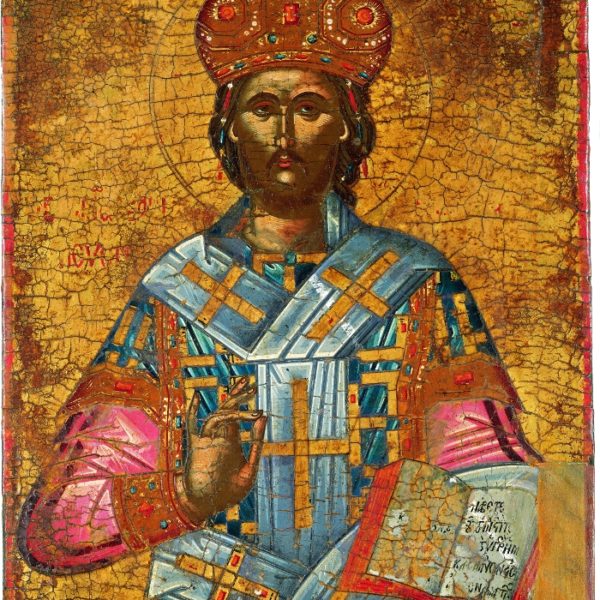
Psalm 8’s presentation of human dominion and politics as a creation of God has significant ramifications for our posture towards the various forms of human rule and authority. The juxtaposition of divinely appointed power and human weakness humbles arrogant ambition, encouraging a spirit of meekness and modest service in our politics.

Revelation 21:1-6 contains a dramatic vision of the new Jerusalem, the eschatological city. Unfortunately, the sea enjoys at best an ambiguous status within this new creation, raising important questions for peoples whose life depends upon the oceans.

Following the very useful list posted on Religion in American History, we’ve put together a list of several forthcoming books relevant to political theology to keep an eye out for as they are published in the coming months. If we’ve missed any, please share them in the comments. Come summer, we hope to have another list for you, introducing all the books due in the second half of the year.