Opponents and supporters of same-sex marriage share the belief that not all relationships are moral or faithful, and that part of the church’s mission is to encourage and bless faithful expressions of covenantal union.
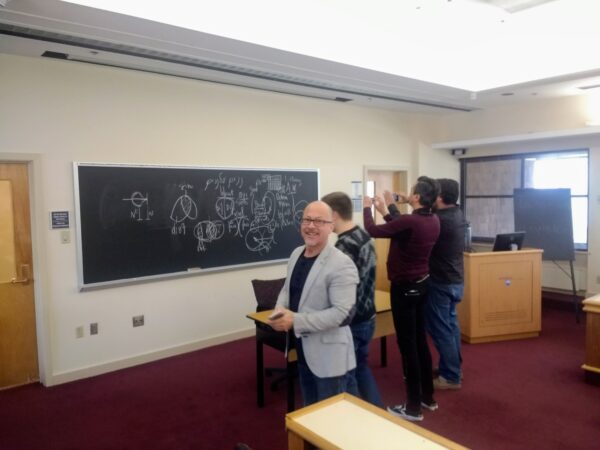
Mendieta was an erudite, critical, generous, and compelling bridge-builder between critical theory, religion, and other fields who signals a path forward.

God’s love nullifies every hierarchy based on ancestry and ethnicity, since birth does not determine status in the eyes of God. With equal measure it rejects the idea that some are above accountability and some do not deserve justice.
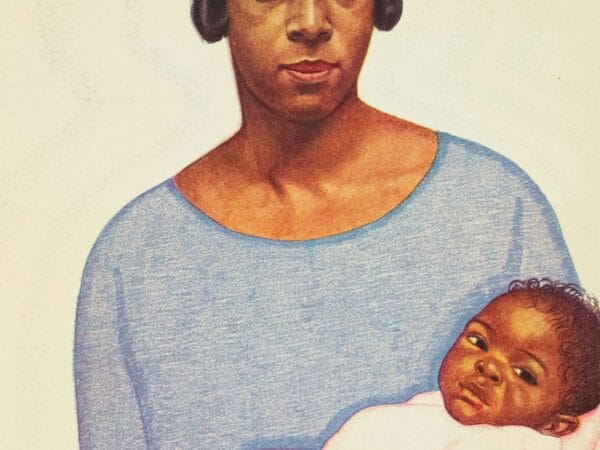
This essay is part of a book forum on Immaculate Misconceptions by Amey Victoria Adkins-Jones.

Everywhere, adults laugh at children for their giddy games, whereas they are blind to the ways in which their pretend play shapes every aspect of their lives and leads to exploitation and injustice. Human experience, particularly the experience of the youngster – where the ground of the soul and the ground of God come together in an overflow of light, constitutes the basis for the radical immanence of God within the world.

Benjamin argues that the violence of law emerges from its governing force and therefore from its ability to bind or impose itself. To this extent, the objective of my intervention is to frame a form of normativity that not only does not entail a binding power but that prohibits it as well.

Eventually, we all need others, leaving cooperation, humility, and patience the only lasting realities of human access to power. If the last few years have taught us anything, it’s that power can abandon any of us, at any moment – even and especially on a debate stage, in full view of the entire planet. We all forget this lesson at our peril.


“Ideology asserts that something other than Jesus Christ awakens one from the world’s stupor, but no other force is adequate to the task.”

Even homemade, organic eucharistic bread made with fair trade flour and kneaded in commitment to the life of the poor is not exempt from the kind of death-dealing economic structures that make such bread possible. While we may long for it to be otherwise, we are always both in and of the world.

It is a prudent caution not to fall prey to our own confirmation biases when reading Luke’s gospel. In today’s world of political distraction and power plays, Jesus’s central message of love and liberation is as necessary and life-giving as ever before.

Sometimes the most I can be grateful for is that it is still possible to imagine an alternative.