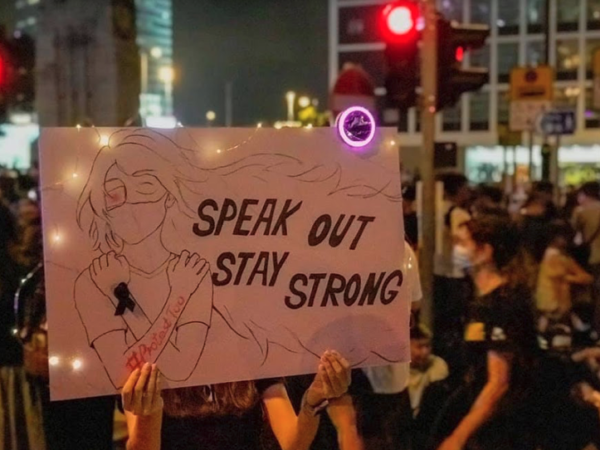
There is the rising emergence of a new breed of women protesters in Hong Kong—women who are fearless in the face of escalating brutality from the police and authorities. They remind us of the women in Galilee in the Gospel who were so brave and caring and overcame community pressure and even the fear of execution.

Meillassoux’s thinking of post-Copernican cosmic immanence and cosmic delegitimation constitutes a challenge to political theology as still predominantly Ptolemaic in its assumptions and focus
The emplacement of fear and terror in the soul is what I am calling the maiming of psychic life. It is this sense of injury that extends Puar’s moving account of the violence suffered by Palestinians as they are transformed into a debilitated population to what secular sovereign power enacts on Muslims, Arabs, and “Muslim-looking” bodies writ large.
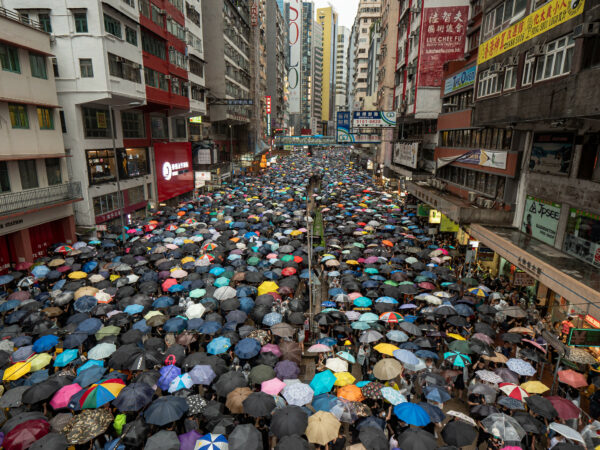
The coexistence of numerous means of resistance in Hong Kong underscores the limitations of the violent/nonviolent dichotomy, pointing out that achieving social change is not either peaceful or militant but can be both, depending on the context. It also raises questions to Christian theologians and ethicists regarding the justification (or perhaps critique) of coexistent ways of resistance in facing authoritarian regimes.

The biopolitics that Puar chronicles is not bent on elimination but rather on producing and measuring excess in order to extract value from it, in order to incorporate and use whatever remains in a project of ever-expanding control and validation of Israeli state legitimacy.
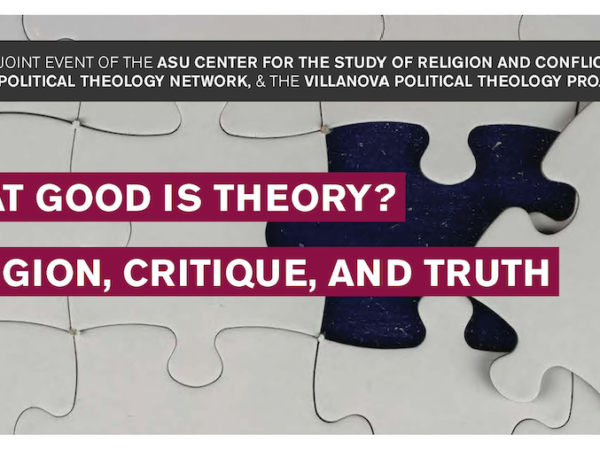
Please join a joint event “What Good Is Theory? Religion, Critique, and Truth.” Now Recording is available: https://www.youtube.com/watch?v=93amRjwBn_I

Sullivan’s scholarship reminds us that without the collective work of reimagining, to seek justice through law alone is to succumb to legal fiction.
On Saturday April 24th, the Political Theology Network will be hosting a virtual Mentoring Festival for graduate students, dissertation writers, and other emerging scholars.
Rather than worry about whether other people will come to the table, whether other people will listen, we must, first, come to the table ourselves, be willing to do the revolutionary work of “listening and talking,” proceeding into the real risk of such encounter with likewise real openness to the experience and its transformative effect. This is, to risk profound understatement, a difficult talk.
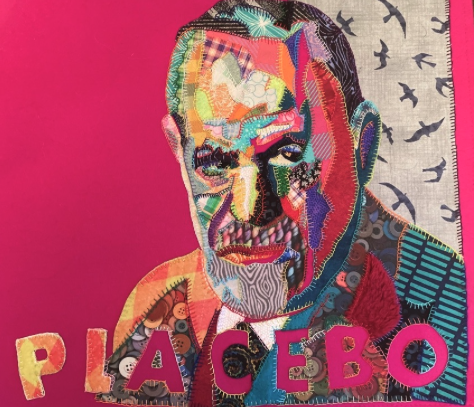
Isabelle Stengers, continental philosopher of science, offers pragmatic resources for animating thinking with interest and passion, affirming heresy over conformity and undercutting the all-too-common binaries of religion/science and science/fiction.
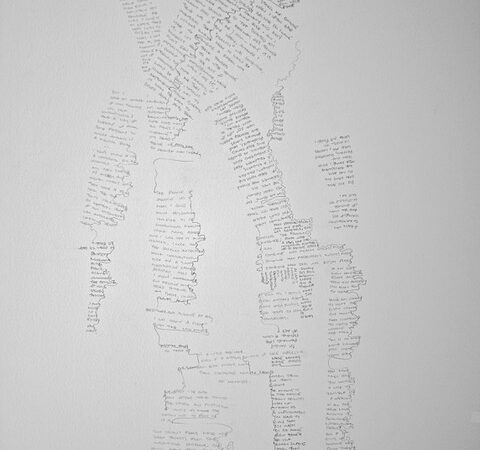
A reflection on the political implications of N. Katherine Hayles’ critical aesthetic inquiry into the ecological relationships between the human and the technological, thought and cognition, and information and materiality.

David Kline introduces the systems theory of Niklas Luhmann for political theology and reflects on how it might think about its own limits of observation.