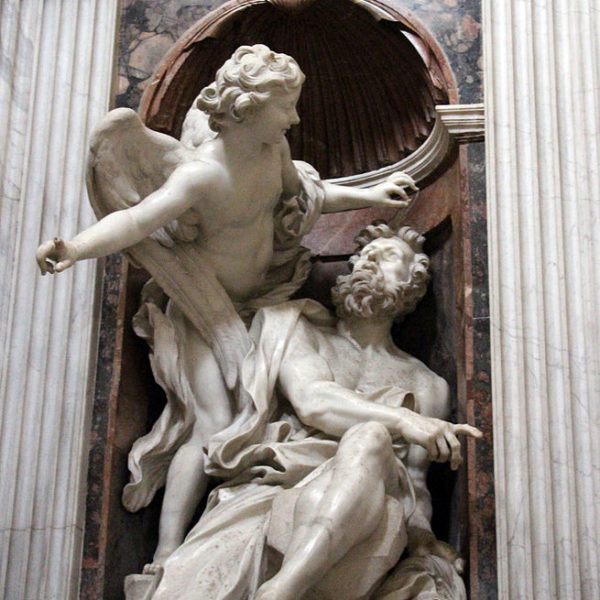
Habakkuk 2:4—’The righteous person will live by his faith’—is a familiar text. The recognition that the faith in question may be God’s own faithfulness, rather than our own stumbling faith, may inspire a stronger confidence in us as we face a world of injustice.


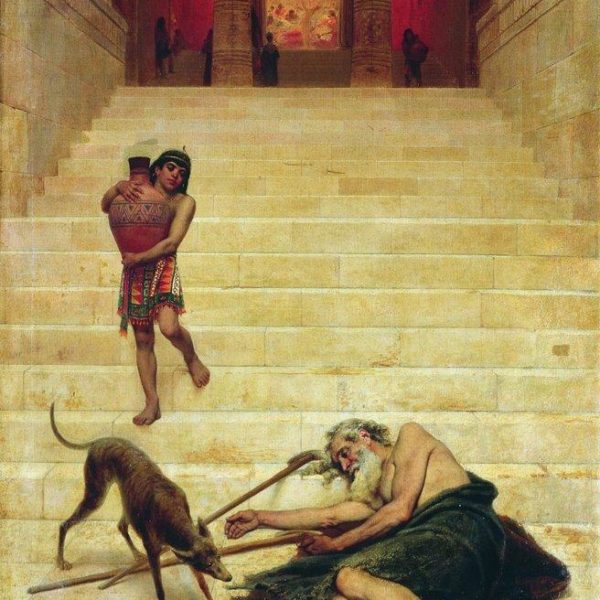
Jesus’ story of the Rich Man and Lazarus is a challenging account of the one neglected at the gate, who ends up being exalted, while the one at ease within is cast out. This story has a particular contemporary resonance in the context of the recent events surrounding the construction of the Dakota Access Pipeline.
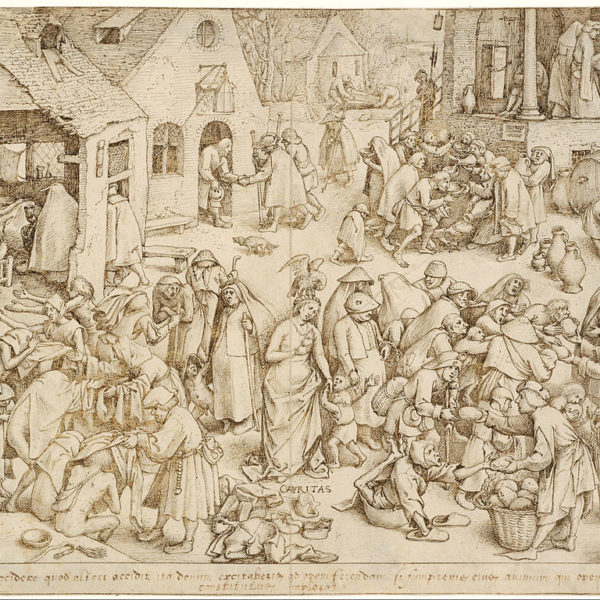
Psalm 14:1, though popularly employed to dismiss non-theists as foolish, is principally targeted against practical atheism, against those who believe that justice is without force in the universe and that all that matters is power.

Jesus calls us to count the cost, to engage in an act of budgeting, when embarking upon the path of discipleship. Yet this budgeting occurs within a logic of abundance, not one of scarcity.

The promise of a future festal gathering, depicted in the book of Hebrews, informs the current life of the people of God. It frames life as a pilgrimage towards a destination that have been enabled to approach through the work of Christ.

When we understand that the Nixon campaign combined a call to law and order with the so-called Southern Strategy, it becomes clear that white sympathies were cultivated and that blacks were made to play the part of the enemy. Nixon’s presidency was a take-no-prisoners form of democracy mixed with demagoguery.