
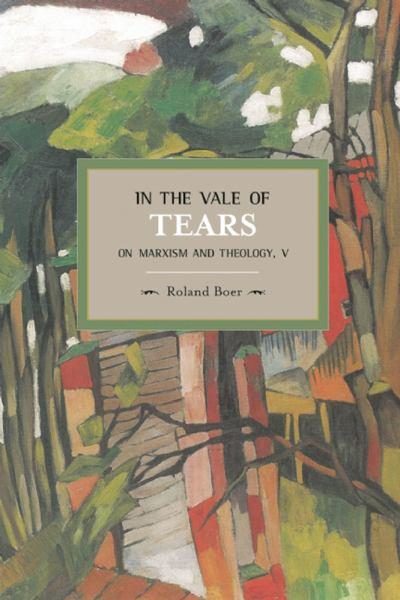
Political Theology Today is proud to announce that one of our Contributing Editors, Roland Boer, is the winner of the Isaac and Tamara Deutscher Memorial Prize for 2014. The prize is “awarded for a book which exemplifies the best and most innovative new writing in or about the Marxist tradition.” In this case, it was awarded for In the Vale of Tears (2014), but also in recognition of the whole Criticism of Heaven and Earth series. We have invited him to summarize his extraordinary work in this area for our readers.

Following Bush’s consecutive victories in 2000 and 2004 the Christian right have been labeled the ‘backbone’ and ‘base’ behind the Republican Party’s electoral successes.[1] Evangelical born-again Christians constitute around 26% of the US electorate according the latest Pew Research poll, of whom three-quarters consistently vote Republican.[2] For forty years the considerable convening power of these faithful conservatives have made them an attractive constituency for Republicans to court. Aligning with their social and cultural concerns, this relationship has generated a distinguishing feature amongst Western politics, the American ‘values voter’.

After half a dozen years of economic decline and political hardship EU measured its demos in the elections to the European Parliament. The result was just about expected, though probably not at all what the ”Europeans” — whoever they are these days — were eager to see. Given a choice between a commitment towards the globalization of world politics and going home, going home, by and large, won.

I want to argue here that the term “political Islam” is in many ways a misnomer, because the Islamism that is meant to instantiate it has been unable to appropriate politics as a way of dealing with antagonism either institutionally or even in the realm of thought. Looking in particular at the form Islamism took with one of its founding figures, the twentieth century writer, and founder of the Jamaat-e Islami in both India and Pakistan, Sayyid Abul a’la Maududi.

In Simon Critchley’s Wildean confraternity or consorority of the faithless, faith is a commitment, a proclamation of fidelity to an infinite ethical demand which enacts a new form of subjectivity. As such, faith is not related to belief in the existence of God but to an experience that is shared by agnostics, atheists and theists alike. Faith, we might say, is a/theistic, cutting across such distinctions.
If my diagnosis of the situation above is apt, it seems that Christian participation in domestic politics today may also be a matter for deferred repentance.
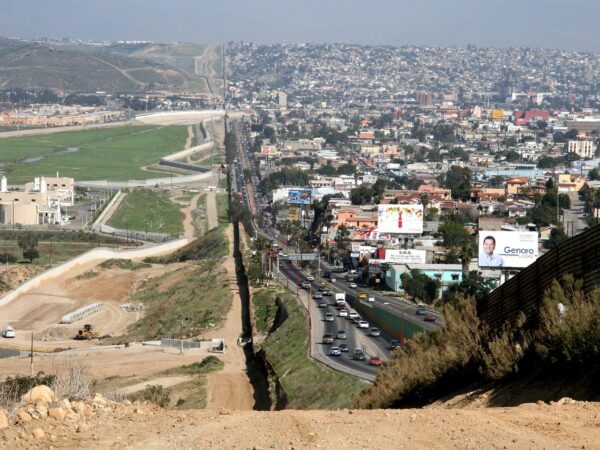
If God reconciled us while we were still enemies, how should Christians view and speak about those they consider their enemies?
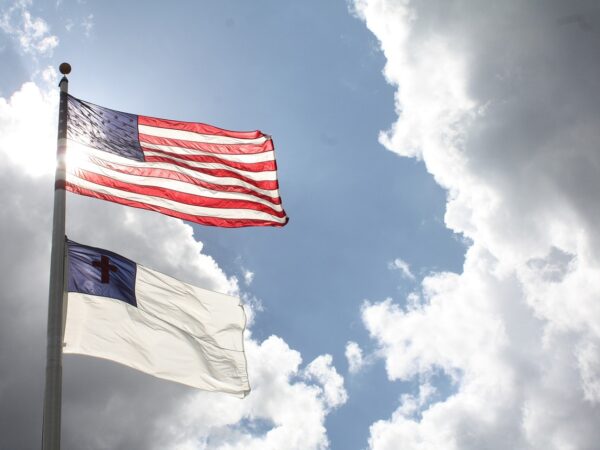
Like the humble talk in the psalm, this hand-wringing fear about a loss of Christian identity in the US masks the devastating power that white Christians wield against others in this country and elsewhere. It is a rhetorical humility in the service of actual power and dominance.
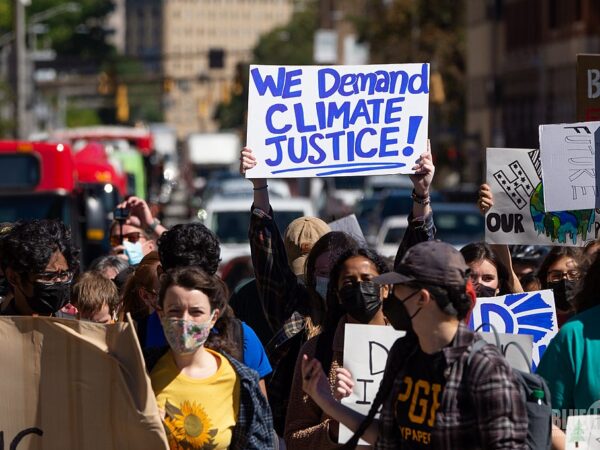
The world of extractavism must end, whether by our own agency or by the collapse of the system it unsustainably supports. “Transition is inevitable, justice is not.”