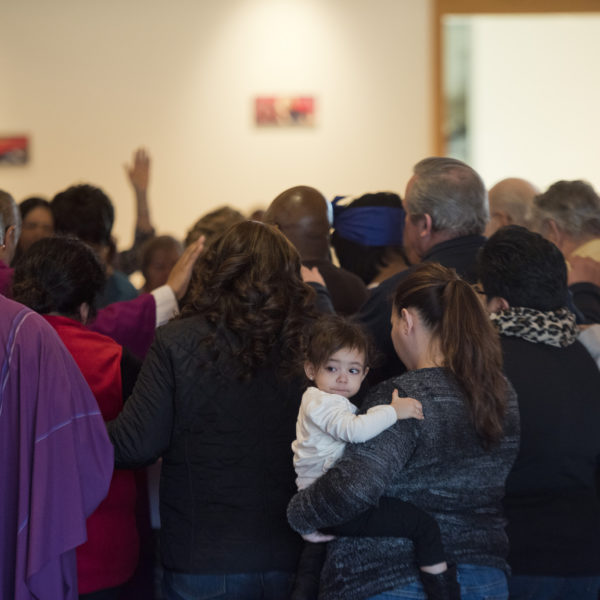
The texts I have identified as “need to become ‘essential’ texts” function in this spirit…Each addresses questions of community-creation outside of liberal norms and modes of power.

To be a public theologian does not mean to do theology for everybody. It is not a matter of speaking from the particular to the universal, but of dwelling within multiple, overlapping particularities and finding theological meaning there.
Essays featuring a specific Book of the Bible.

God brings his judgment in and as the light, providing us with a pattern for human justice.

One of the most striking features of Jesus’s teaching and practice was its authority, which both liberated and bound his hearers. Does the Church dare to speak with authority today?


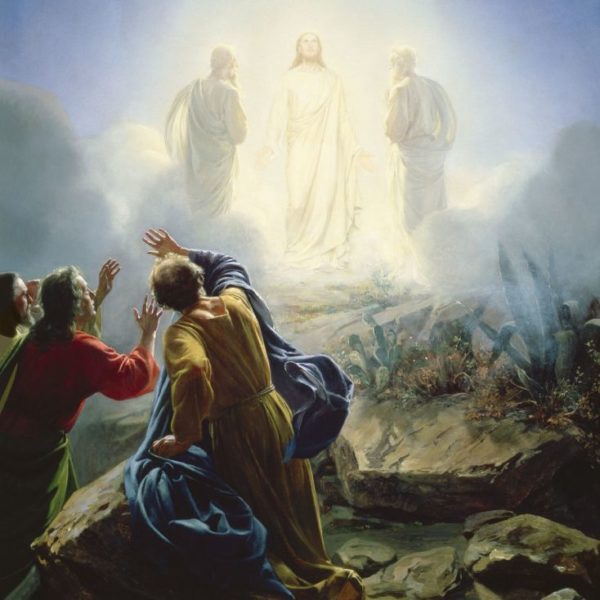
There is such a thing as a ‘near-life experience,’ a transforming encounter with the light of life. The Transfiguration describes a remarkable encounter of such a kind, an encounter that may find pale reflections in our own lives, much needed at the current time.
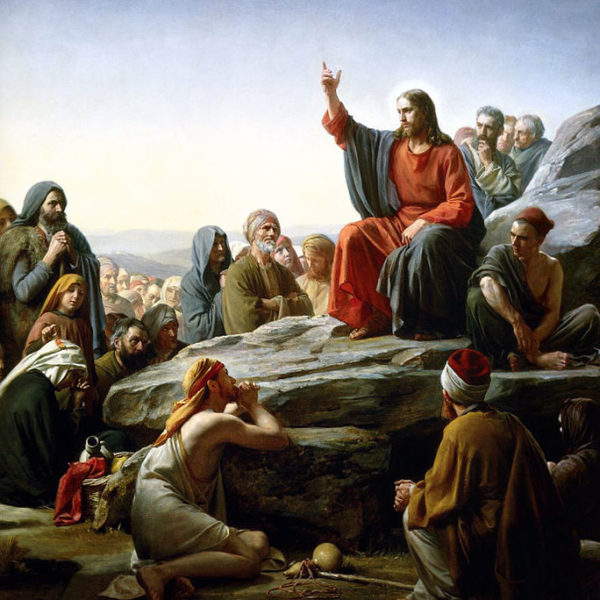
Jesus calls us the salt of the earth and the light of the world. What would these metaphors have meant to his first hearers?
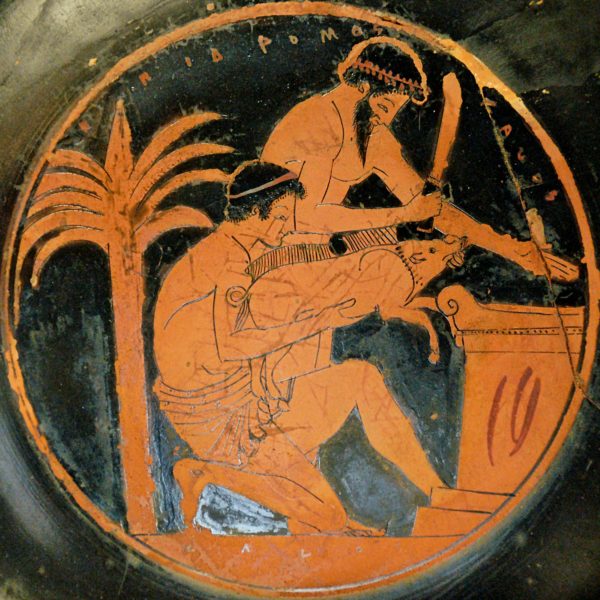
True worship has little to do with the ‘commodification’ of liturgy; it has everything to do with the performative embodiment of God’s redemptive narrative through justice, mercy and fidelity.