My interest in teaching a course on Political Theology came from my research on Simone Weil. I wanted to understand how the area of political theology could help me interpret Weil’s oeuvre, which often focuses on the intersection of politics and religion. To that end I decided to teach a course in the Fall of 2011 that would explore the historic development of the concept “political theology.” The course would consider how the western tradition has “thought” the intersection of politics/theology.
…I still seek to introduce the students, now grads, to the range of political formulations in Islam, but in contrast to the undergraduate version of the course, we also look to political theology as a method for thinking about politics. Why? And How? After all, political theology is really a product of the Christian West. Does it have applicability in other contexts?
This course was conceived as a way to introduce undergraduates to the conversation about religion and politics in Western tradition. I wanted to give them a broad historical overview, with in-depth selections or snapshots to get at ways the relation between religious and political spheres has been conceived in different historical moments.
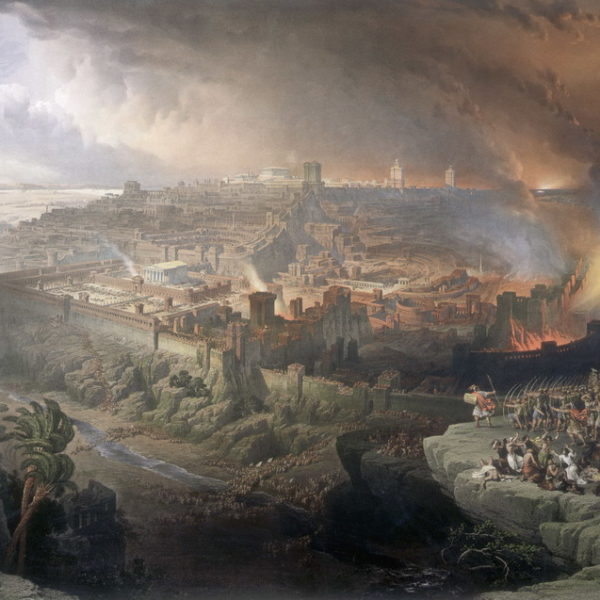
In 1 Corinthians 7:29-31, Paul articulates the reality of eschatological imminence. Against this background, he advances an ethic that maintains a delicate balance between occupation with and preoccupation with our present world order.
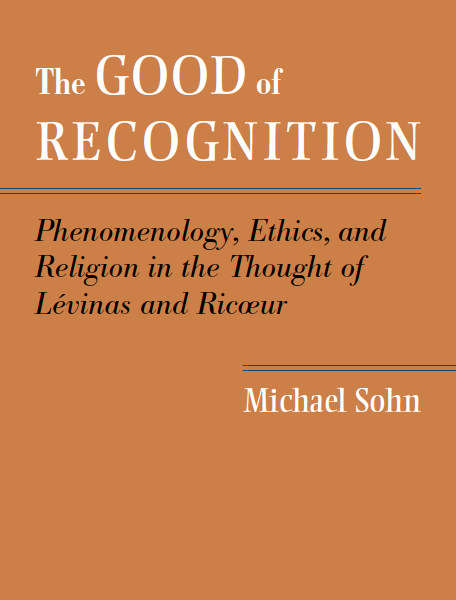
The language of recognition is of such frequent use that its presence in everyday and academic discourse is striking, and yet critical examination of its meaning remains largely absent. Its frequent use is evident in the legislative acts promulgated, the public policies written, and the social struggles waged in the name of it. Its application touches upon a broad spectrum of issues ranging from multiculturalism to national sovereignty, from matters of international human rights to social movements within feminism and civil rights.
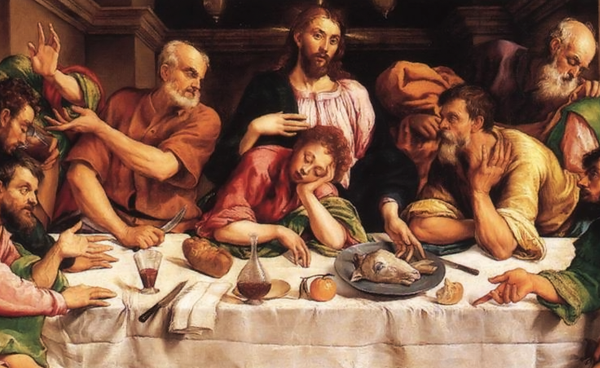
In his richly devotional book Writing in the Sand, the psychotherapist and former monk, Thomas Moore makes an intriguing hermeneutical suggestion. When we explore the ministry of Jesus and its contemporary implications, one fruitful exercise is to view his actions through the lens of the ancient philosophy of Epicureanism. At first glance, such a suggestion seems antithetical to any faithful rendering of the New Testament.

As the social dominance that Christianity once enjoyed wanes, we may find ourselves in a position similar to that of Peter in the High Priest’s courtyard. Will we answer Christ’s call to witness to the truth, or will we deny him in order to be included within our culture’s political conversations?
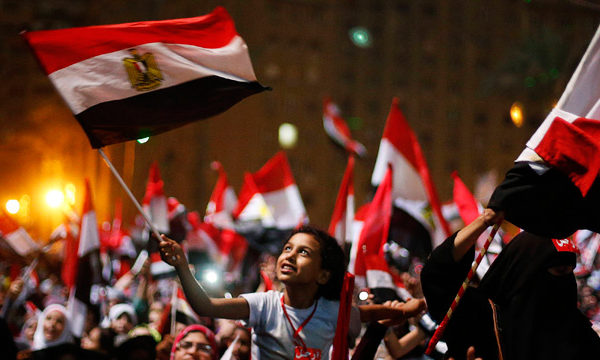
I join this conversation as a student of comparative politics, writing a project that explores how islamiyun, often dubbed Islamists, imagine and enact democracy. Specifically, I use insights derived from ordinary language philosophy to apprehend insights from interviews and focus groups with over 100 interlocutors, gleaned in nearly two years of fieldwork in Morocco (2009-2011), to understand what democracy means to Moroccan islamiyun. I find that there are two broad usages of dimuqratiyyah [democracy] in the language and practices of Moroccan islamiyun.
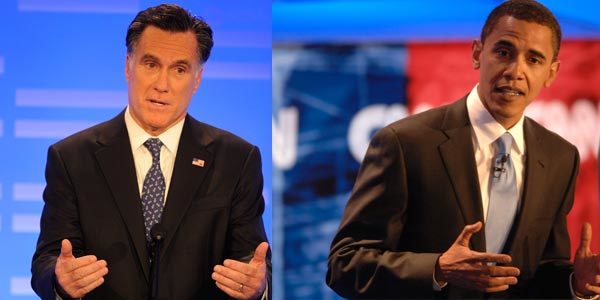
A new conference, The American Election 2012: Contexts and Consequences, has been organized for the purpose of analyzing both the strategic and tactical choices that went into the successes and failures of the 2012 presidential and congressional campaigns, and the purpose of discussing what the outcomes of the election portend for the future of American politics, governmental policies, and American culture. The conference will be hosted by Saint Anselm College and its New Hampshire Institute of Politics, and will be held March 15-16. The keynote speaker for the conference will be Dante Chinni, journalist and author of Our Patchwork Nation: The Surprising Truth About The Real America. The website for the conference is…