
Cavarero’s feminist theory of nonviolence takes the biblical commandment of “Thou Shall Not Kill” as its starting point. This commandment is ethical (it is about one’s relationships with others) and religious (it is about one’s relationship with God), but it is also political (without it, political communities cannot exist).
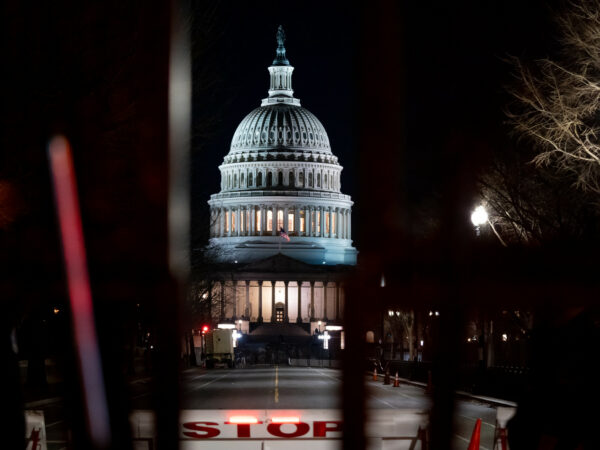
We are shocked. Morally outraged. How could a US president tout “law and order” to incite a blatant attack on “American democracy” and “the rule of law,” encouraging his supporters to storm the US capitol? Commentators decry such hypocrisy, stating the obvious contradiction between US constitutional law and violent coups. My contention in this essay is that no such contradiction exists.

Churches are locally oriented and present to the concerns of everyday life in the community. As an institution it has been an organized center of everyday life for its membership.
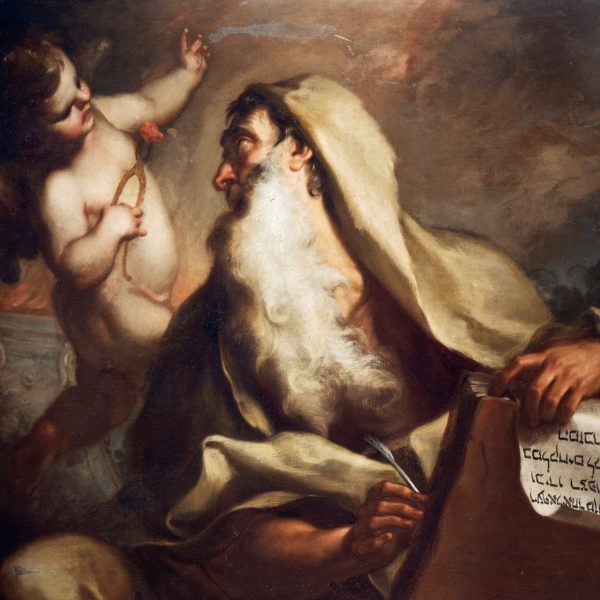


In Romans, Paul speaks of a God of reconciliation, who makes friends of enemies. Principles of reconciliation and of the love of enemies have often been quarantined from the political realm in systems of political thought that prioritize the enemy-friend polarity. However, a politics of love for enemies and of reconciliation with a creation from which we have become alienated may never have been more urgent.

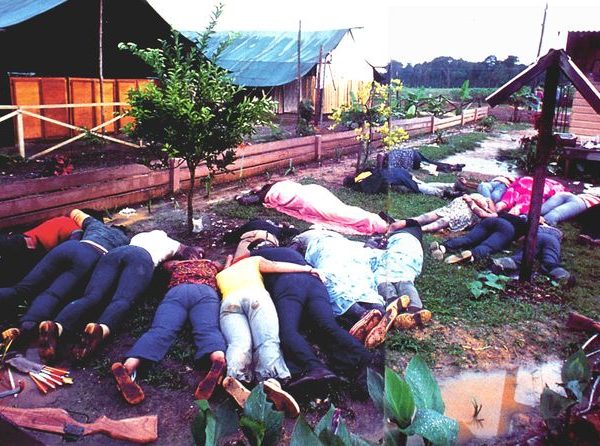
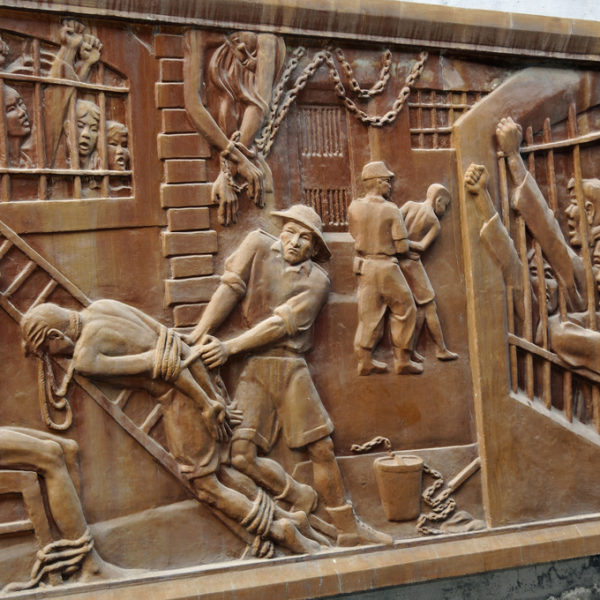
I have been writing about torture for the last decade. Does the recently released summary of the Senate report reveal anything that requires reconsideration of my earlier work? Surely, it is not news that the Bush administration, particularly in the first term, pursued a practice of torture. Nor is it news that the practice was not successful. After all, the turn to torture was puzzling partly because we have long known that it is not an effective means of obtaining information. In fact, torture is best understood as a practice not of inquiry but of communication.

Paul’s teaching about the manner in which love for weaker brethren should guide behavior when considering eating food sacrificed to idols provides principles that remain relevant, long after the issue that provoked their articulation. The role that politics and the state play in contemporary forms of idolatry suggests analogies that can be drawn between the responsibilities of first century Corinthians and our own.

An article published in the Washington Post this past weekend notes that unlike previous midterm elections, this campaign has yet to see the emergence of a dominant, national theme. No one issue—or even set of issues—has taken center stage, cutting in, through, and across the various races. What we have instead is an election constituted through diverse, often locally- or regionally-defined issues that at the end of the day lack any sort of common ground.