
The story of Mary, Joseph, and Jesus is nothing but the story of people fleeing the violence of an authoritarian empire, though the glitter and celebration of Christmas may have muffled the brutal reality of migrants and refuges seeking sanctuary from death. It is in the midst of such imagined Christmas that the veracity of homeless migrants dying in choppy waters and people stuck in border detention camps waiting for a new future gives us a reality check. The violent empires may have faded but their legacies linger on.
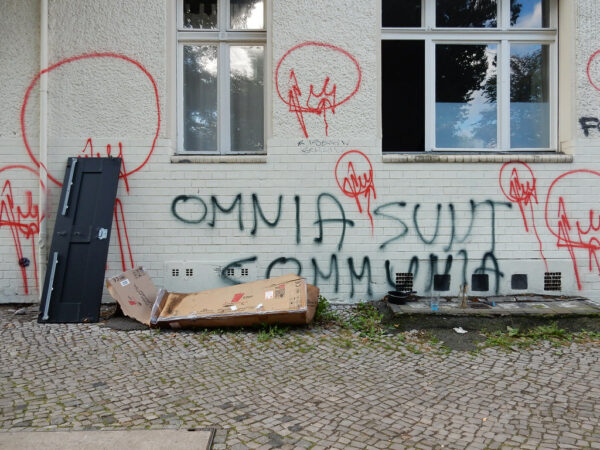
The Invisible Committee may be productively, albeit counterintuitively, understood as Gnostic, a perspective that will put into question some of the assumptions behind the way the political and the theological are demarcated from and related to each other in contemporary debates.
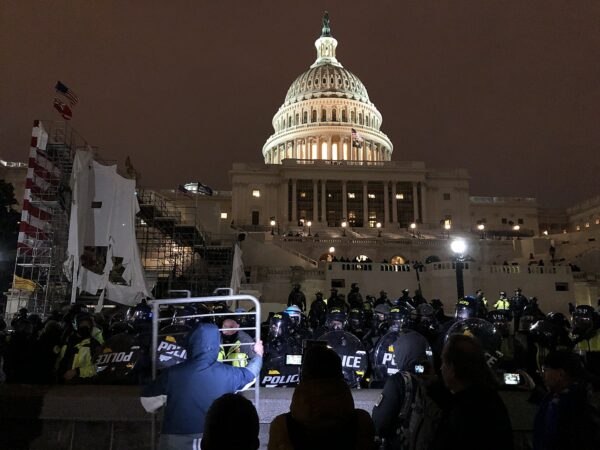
Where these elements at Azusa Street helped believers create a sacred liminality that transcended racist law, in Pentecostalism today the Holy Spirit is often co-opted to anoint pastors as sovereigns who occupy states of exception as God’s anointed.

Achille Mbembe’s work excavates the legacies of colonial reason and violence shaping the powers of death in the world today.
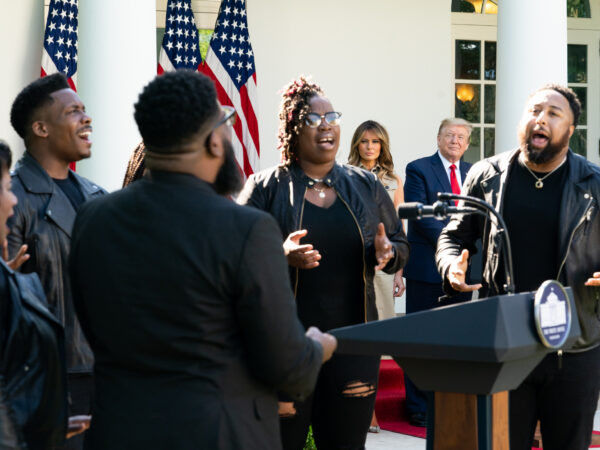
Together, we hope this symposium opens up new horizons of discourse for political theology. Given the global reach of Pentecostals and Charismatics, our inquiry into American Pentecostal and charismatic networks is but a beginning.

If there is one common thread which cuts through the essays in this symposium, it is the powerful testimony of the important role that religion plays in shaping the socio-political viewpoints of many conservative religious minorities.

Judith Butler’s work has altered the trajectories of multiple disciplines in the last thirty years; what can they teach scholars of political theology?
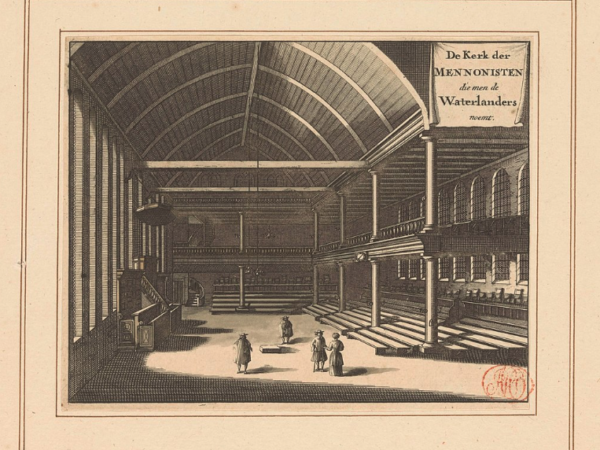
This special issue on Mennonite political theology showcases interdisciplinary contributions from Mennonite feminist theology, Christian approaches to cultural conflict, queer literary studies, and historical critics of violence.
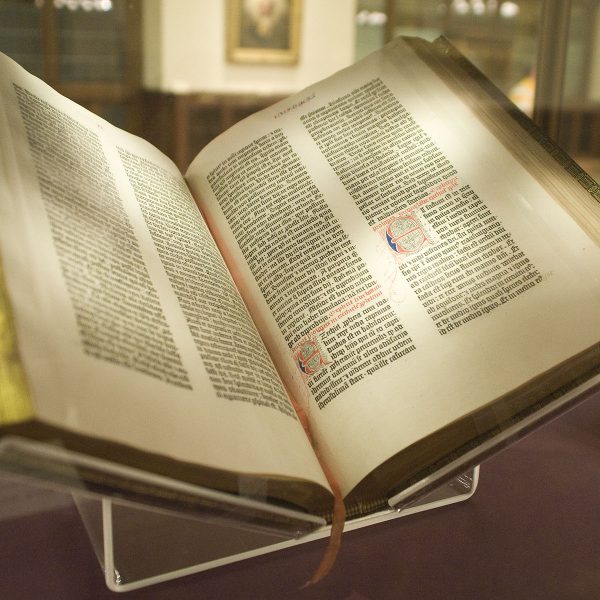
Because whiteness lies at the center of biblical studies, the accepted way of doing biblical scholarship is one that engages white questions, white concerns. The system forces scholars of color, especially those who receive their doctoral trainings in the western educational system, to be familiar with white scholarship.
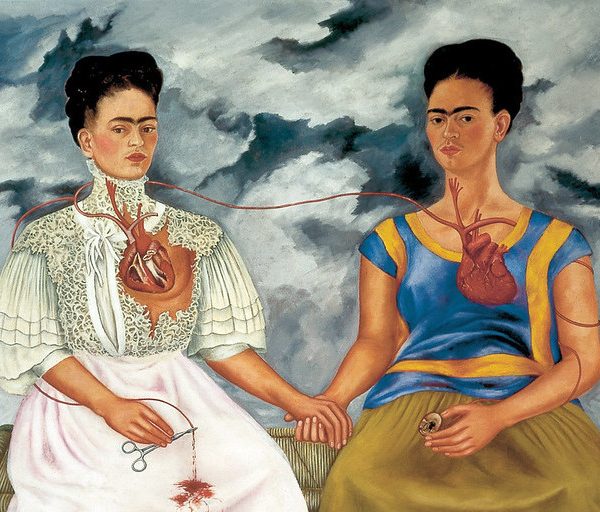
An epidemiology of critique investigates our work as genealogists by taking it too literally. It exaggerates, satirically, the materiality of genealogy’s metaphor and clarifies, sincerely, how it structures critique’s politics—its predisposition to quarantine, purge, and escape.
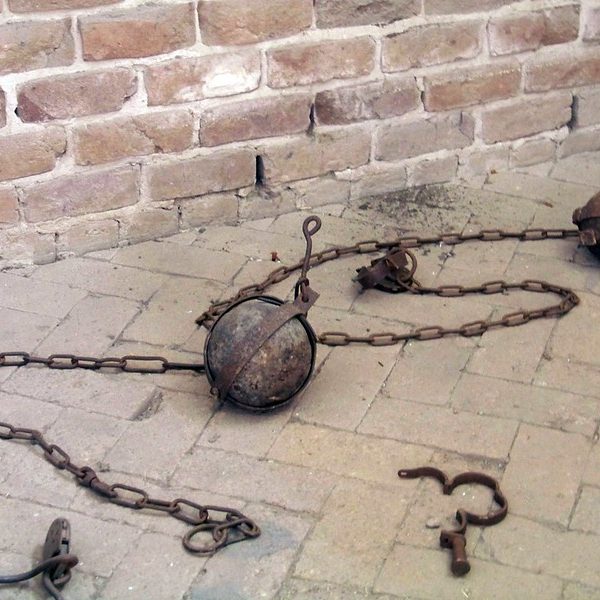
When placed in the tradition of Gandhi and Martin Luther King Jr., civil disobedience is premised on nonviolent resistance. But Thoreau understood that, under certain conditions, the protestor’s nonviolent resistance may lead to violence by the state.

In Florida and elsewhere, communities facing technological and environmental risks do well to adopt the ethics and politics of precaution.