
The familiarity of the 23rd Psalm can blind us to the striking political dimensions of its message: YHWH is the shepherd of the king, protecting him from enemies and granting his kingdom prosperity. Close reflection upon this psalm may also suggest some significant applications within the contemporary world.

The familiar standards of “innocent until proven guilty” and “beyond a reasonable doubt” are meant to protect people from false accusations, but also contribute to the assumption that should doubt the stories of victims of assault and harassment, even when we know these crimes are depressingly common. The Christian preferential option for the poor, however, means that we should have a preferential option for victims, meaning that our presumption is to believe in and side with the victims of assault and harassment in the church and the public arena.

Luke makes it clear that it is God, and God alone, who can best align our lives and realities, to make us whole and healthy, and to give us a life worth living, a life most “human.”

The message of John the Baptist challenges our complacency about sin, an attitude that pervades and perverts our entire life as a society.

We have been led astray by those who invoke religion to undergird their own social, political, and economic power. When we find ourselves enthralled to their apparent grandeur, we, too, will find the world beginning to crumble around us.

In the Book of Job, the question of how we speak of God in the midst of suffering is at the forefront, which is where its significance for liberation theology is particularly found.

Like Simon and Veronica, those in the pews and those in the academy are called to accompany those who are abused by sharing in their pain so that survivors no longer bear this cross alone.

Political theology, insofar as it can articulate an analysis of and resistance to rape culture, offers many resources for confronting sexual violence.

How is the riven social body, with its divisions between poor and rich, to be healed?

The Pharisees were not wrong to question Jesus, but as much as we might want to empathize with them, to agree that there are simply certain things good people do not do, Jesus rejects human propriety as an orienting standard. Jesus is talking about the human heart, something Christians today also must consider.
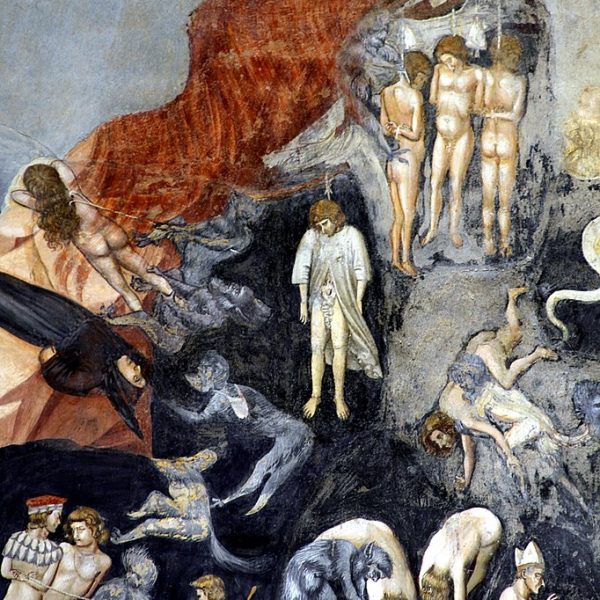
The gory fate of Judas is an unsettling feature of the narrative of Acts for many modern readers. Yet recovering the New Testament authors’ sense of the fearful consequences of opposing the reign of Christ is a necessary task for political theology.

Like all sacred texts, Jane Eyre does not simply offer clear, direct answers to the questions I ask of it. It requires, rather, the work of exegesis.