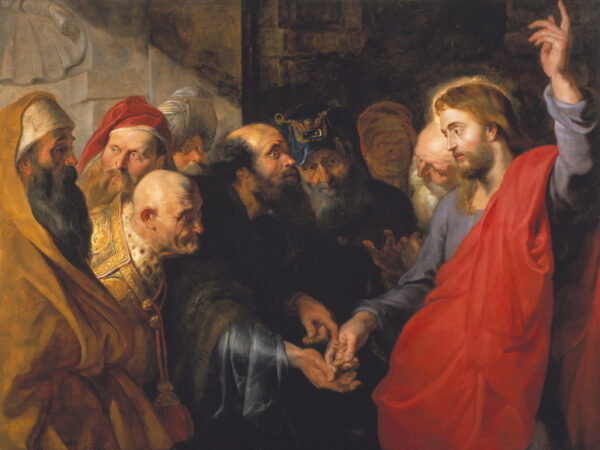
The triangulation of money, sovereignty, and divinity is a good point of entry to study the mutual constitution of theological and political concepts and the questions about ultimate value and social form that they raise.
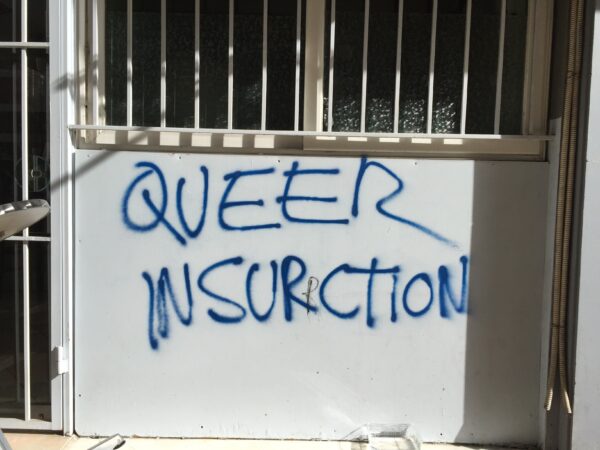
Queer, I think, should remain different, differing, dissonant, and plural. It shouldn’t contract or calcify into anything singular or solid.

In the end, we think that this collaboration of journals has produced an interdisciplinary exchange that deepens and complicates categories of race, equality, citizenship, and belonging that are salient in different ways to the fields of Law and Religion and Political Theology.
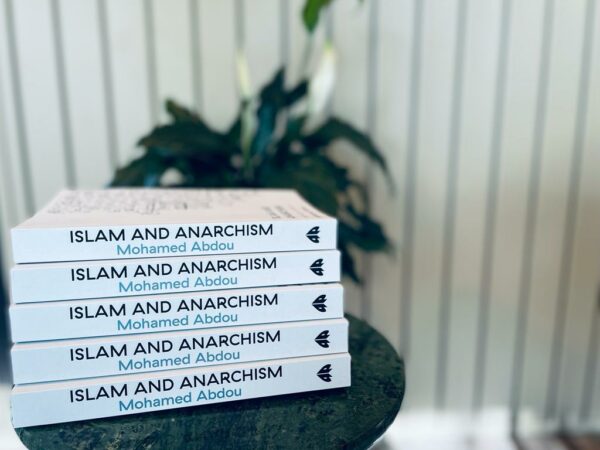
Discourses around Muslims and Islām often lapse into a false dichotomy of Orientalist/Fundamentalist tropes. A popular reimagining of Islām is desperately needed and anarchist political philosophical traditions offer the most towards this pursuit. By constructing a decolonial and abolitionist, non-authoritarian and non-capitalist Islāmic anarchism, Islam and Anarchism philosophically and theologically challenges authoritarian and capitalist inequalities in the entwined imperial context of so-called post-colonial societies like Egypt, and settler-colonial societies (the U.S./Canada) that never underwent decolonization and are symbolically, historically, and materially interrelated.

I propose Decolonial Settler Theology as a contextual political theology that is uniquely the task of the settler, who must face their own complicity in narratives of ongoing colonization and aim at their undoing.

I am responding to George Shulman’s letters on Nietzsche and on prophecy. I do so by offering some thoughts on Nietzsche’s prophet, Zarathustra. In addition to considering Nietzsche’s Thus Spoke Zarathustra in light of Shulman’s “Political Theology” seminar, I also take illumination from Shulman’s American Prophecy: Race and Redemption in American Political Culture (2008).

Shulman’s seminar unfolds a creative cosmos for pursuing new knowledges and new forms of life together.

Combinations of theology and anthropology have been criticized for losing track of what theology ought to be about. Yet this loss might be precisely what enables scholars to understand political practices which point towards that which escapes both the theological and the anthropological grasp—a pointer which could be crucial to fashion solidarities that connect faiths in the pursuit of justice.
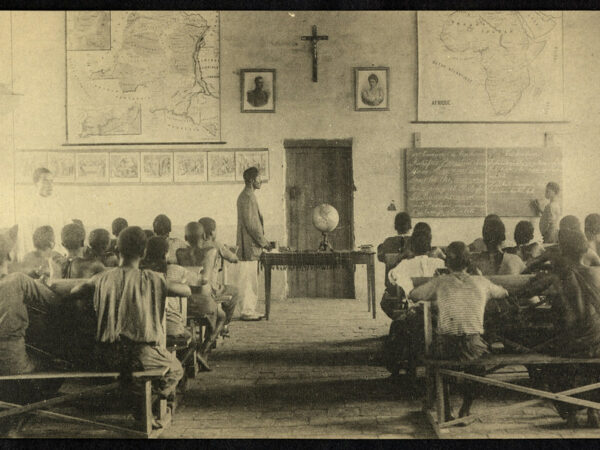
Black reason is propelled by a fantastic imaginary, a changeling animus that aggregates and transmogrifies the desires and fears of whiteness.

In their thematic introduction, the editors of the The Brink describe the liminal, dangerous, and life-making potential for this new blog on the PTN website.

Where relationality is most productive in critical projects is where it transcends its projects of critique and explores the possibilities—ethical, political, and theological—of its account of subjectivity and community.

Psalm 36 reminds us that hope is grounded in God’s very nature, that it rests in the hesed of the LORD. Today, despite the fact that the work we undertake remains unfinished, we can rest in God’s hesed.