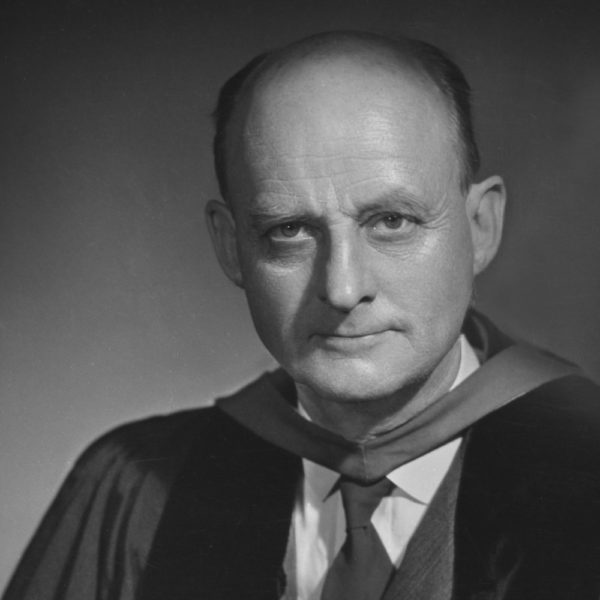
As we inch toward the presidential elections of 2016, crawling through a seemingly endless desert of soundbites, debates, and TV advertisements, we would do well to step back and revisit Reinhold Niebuhr’s Cold War liberalism. The new collection of Niebuhr’s Major Works on Religion and Politics, edited by Elisabeth Sifton, shows that Niebuhr’s political reflections are just as relevant today as they were when he wrote, and can guide us through the political wasteland in which we currently find ourselves.
The politics of new creation involves the bringing together of words and actions in the form of consistent living, by means of the work of the Spirit of Christ. Hypocrisy and intolerance among Christians are a departure from this model, flowing from an unwarranted confidence.
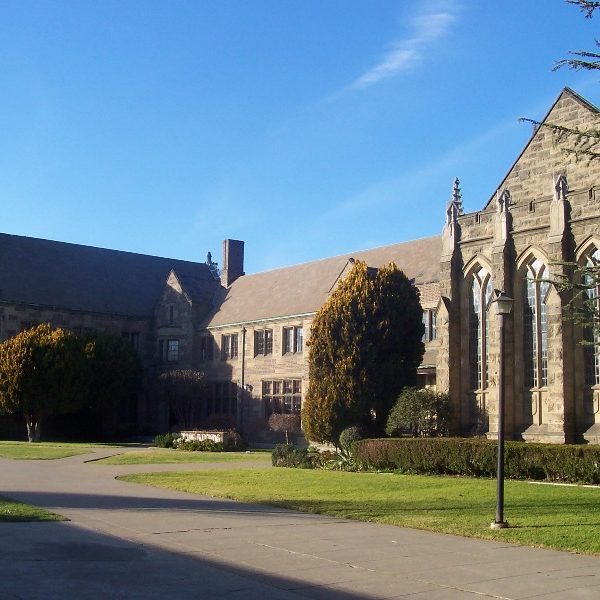
My interest in teaching a course on Political Theology came from my research on Simone Weil. I wanted to understand how the area of political theology could help me interpret Weil’s oeuvre, which often focuses on the intersection of politics and religion. To that end I decided to teach a course in the Fall of 2011 that would explore the historic development of the concept “political theology.” The course would consider how the western tradition has “thought” the intersection of politics/theology.
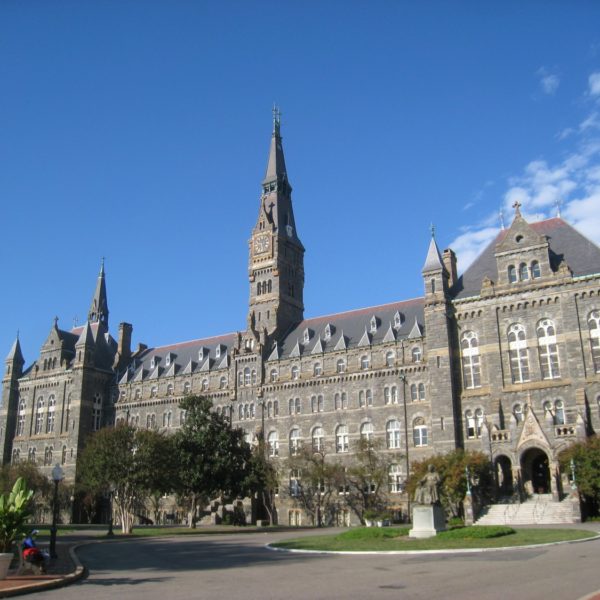
…I still seek to introduce the students, now grads, to the range of political formulations in Islam, but in contrast to the undergraduate version of the course, we also look to political theology as a method for thinking about politics. Why? And How? After all, political theology is really a product of the Christian West. Does it have applicability in other contexts?

This course was conceived as a way to introduce undergraduates to the conversation about religion and politics in Western tradition. I wanted to give them a broad historical overview, with in-depth selections or snapshots to get at ways the relation between religious and political spheres has been conceived in different historical moments.

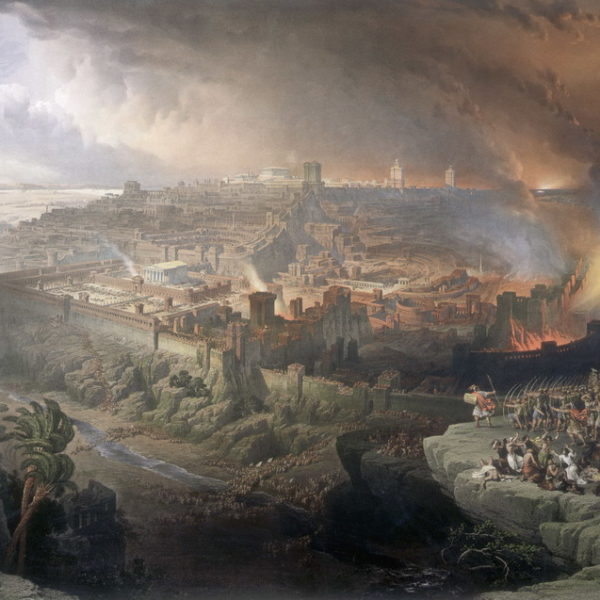
In 1 Corinthians 7:29-31, Paul articulates the reality of eschatological imminence. Against this background, he advances an ethic that maintains a delicate balance between occupation with and preoccupation with our present world order.
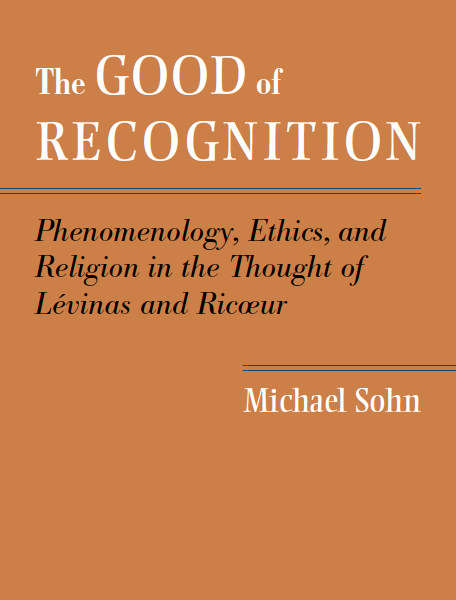
The language of recognition is of such frequent use that its presence in everyday and academic discourse is striking, and yet critical examination of its meaning remains largely absent. Its frequent use is evident in the legislative acts promulgated, the public policies written, and the social struggles waged in the name of it. Its application touches upon a broad spectrum of issues ranging from multiculturalism to national sovereignty, from matters of international human rights to social movements within feminism and civil rights.