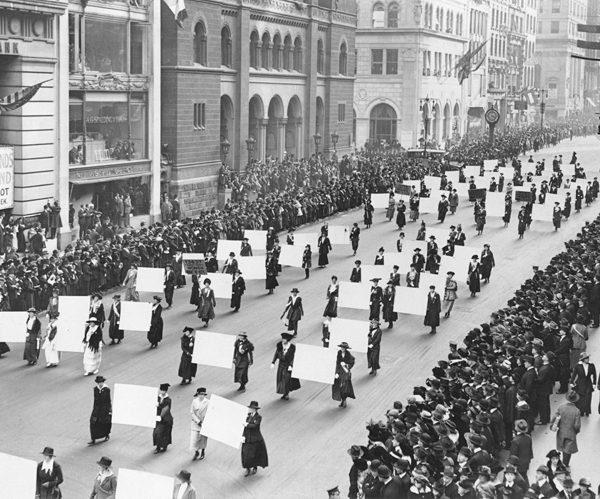
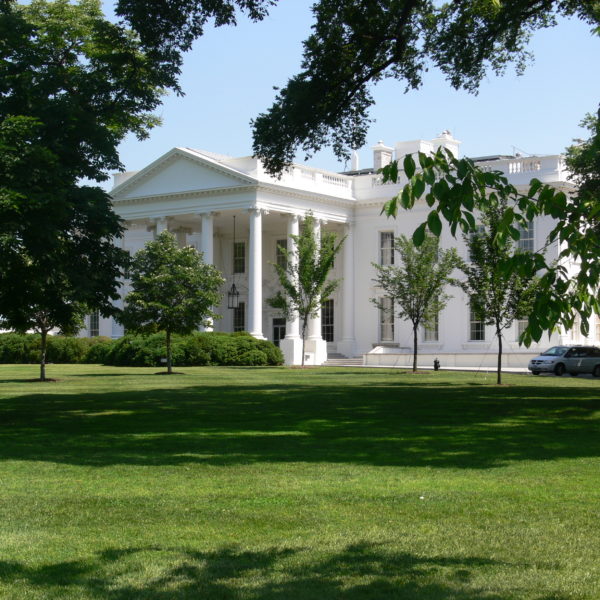
For nearly two decades, Wesley Theological Seminary has sponsored the National Capital Semester for Seminarians (NCSS), a program which immerses students from Wesley and other seminaries around the country in the politics and policymaking of Washington and the ways people of faith intersect in those spaces. When Dr. Shaun Casey, the long time coordinator of the program, left to join the faith outreach office at the U.S. Department of State upon request of Secretary of State John Kerry, I stepped in to help direct the program.

How is the term “political theology” used today, and how does it add to our understandings of theology and politics?

Is the god most at home in our own institutions still recognisable as the God who refused Pharaoh’s kind of name, who heard a cry the empire had filed away as noise, and who came down instead of remaining above?
Language and meaning originate not from a fullness trying to communicate itself but from a lack that strives after enjoyment.
I am sympathetic to what I perceive as Wink’s larger goal in this interpretation. He wants to remove the option of reading Jesus’s words as endorsing toleration of abuse. He is rightly aware of and duly burdened by too many examples in the history of Christendom in which the powerful have used a command like “do not resist evildoers” as a rationale for submission to injustice.


As a PhD student just starting my dissertation research I happened to meet the department chair of the theology department at a major Catholic university (my interlocutor and his university will remain anonymous). When he asked about my dissertation, I told him that I was researching Henri de Lubac. In a condescending voice he replied, “I didn’t realize anyone was still studying him.” I sheepishly responded, “Well, yes. Yes they are.”
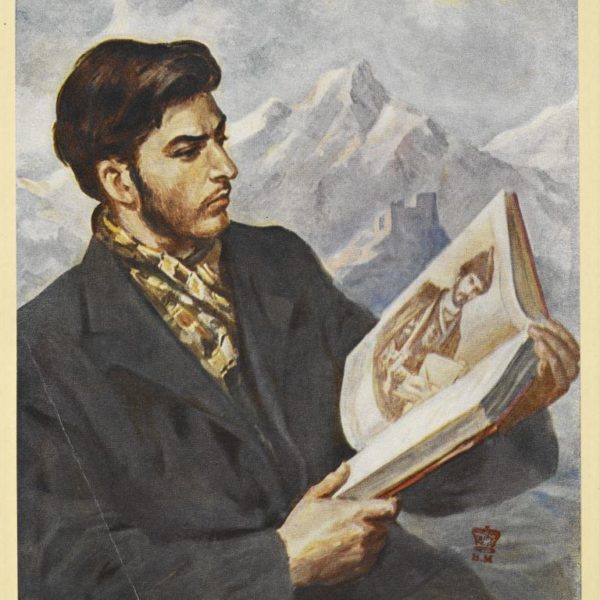
I am in the process of reading carefully through the works of the Joseph Stalin – or the ‘man of steel’, as he became known through his revolutionary code name. When I mention the fact that I am reading Stalin’s rather extensive works, people look surprised – surprised not because I am actually reading Stalin, but because they usually do not realise he wrote anything at all.

The lectionary readings for Epiphany bathe the reader in the language of light. Isaiah 60:1 commands the people of Zion to “Arise, shine; for your light has come.” Psalm 72:5 invokes those celestial light-givers, the sun and moon. And of course Matthew 2:2 gives us the splendid star-following magi and their sparkly gift of gold. In our most domesticated and tamed interpretations, we bask in the warm and cheerful glow emanating from these readings. Like our fireplaces keeping the gray winter at bay, these passages have become homey and cozy for many readers. Truth be told, I rather like that warm glow this time of year! Yet when these passages are let out of the house, they open up a larger landscape filled with things other than light and joy. Yes, they celebrate divine justice for the poor and the leader’s power to create it. They also illuminate the darkness and deception of power politics. They lift up the vulnerability of the divine sovereign made flesh, but also blatantly seek world dominion for the Davidic king. They rejoice in the manifestation of God, but also point to places where God‘s justice is eclipsed by political animals. In short, these passages for Epiphany disorient us about God and politics as much as they reveal God‘s relationship to the world…
The life of the good shepherd, the assurance of the psalmist, the acts of the apostles and the ethical injunction of 1st John all point toward an alternative source of power and, therefore, to an alternative economic and politic possibility: the possibility that “we do not have to live as if we are alone.”