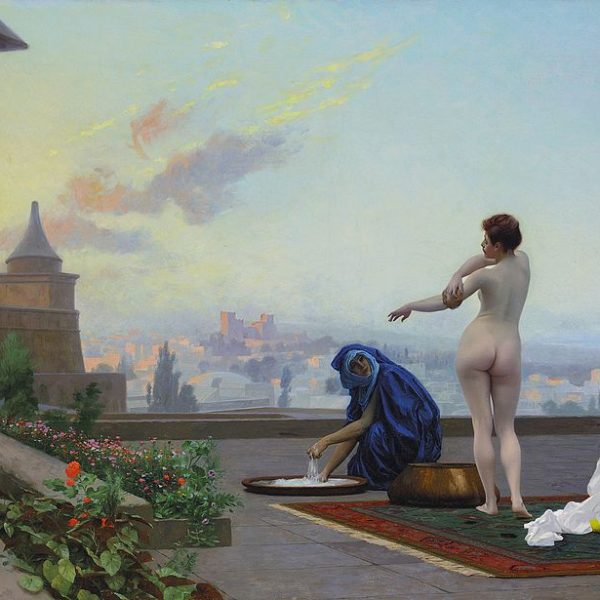
The story of David and Bathsheba is a story of power’s corruption and of the cover-ups of abuse—a story with considerable resonance in our own day.
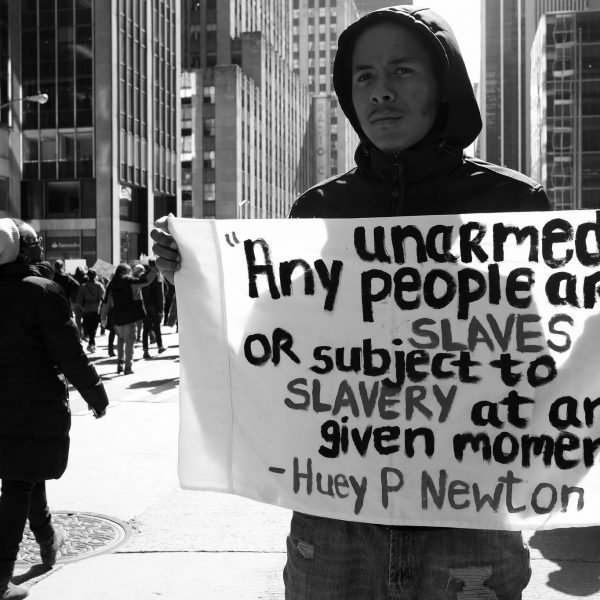
The Second Amendment should not become just one more issue of irreconcilable hyperpartisanship. Whether one finds themselves on the political right or the political left, one should realize that the question of gun violence ultimately comes down to the health of the polis.
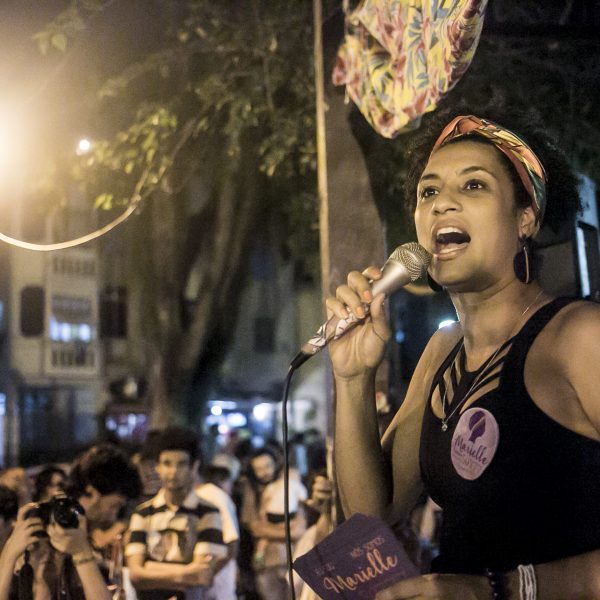
If evil is the privation or perversion of a good, the real evil in the old-new Brazilian meaning of “corruption” is the dereliction of the divine goodness in the human neighbor and the nonfeasance neglect of God’s living presence amid the oppressed.
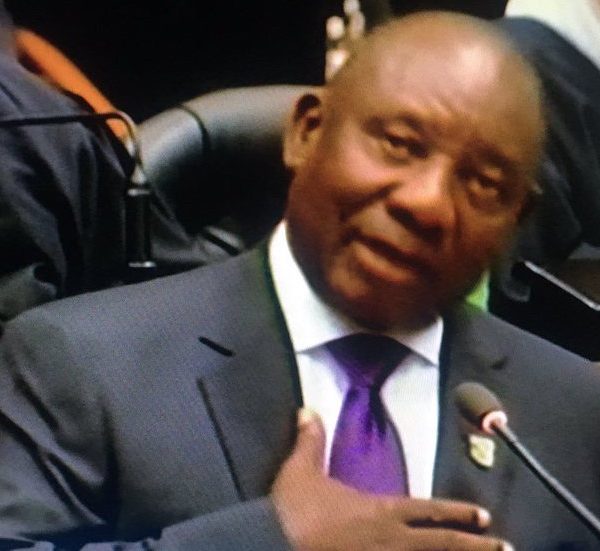
Jacob Zuma is out and Cyril Ramaphosa is in as President of South Africa. Is this a new beginning for the beleaguered Rainbow Nation?
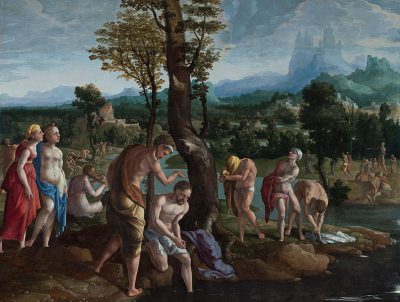
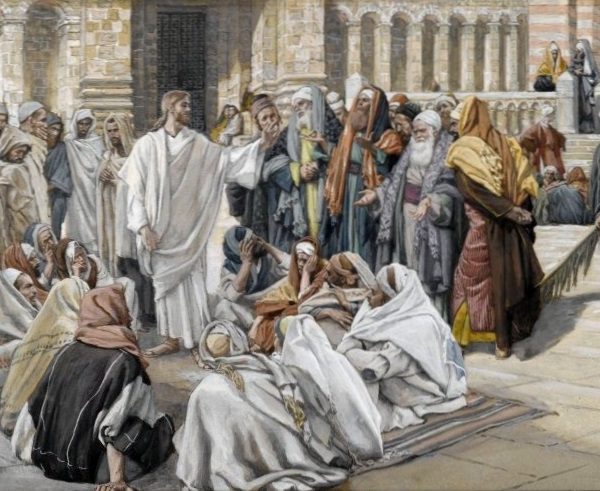
Jesus’ shrewd response to the elders and chief priests’ question about his authority revealed the authorities to which they themselves were beholden. It should provoke us to ask which authorities prevent us from following God in our situations.

Christians are called not to ignore despair, but to help sow joy in its wake; not to condone hate, but to be all the more zealous in their own loving in its face. The politics of overcoming evil are about neither ignoring nor condoning evil, but rather, fighting it with the strongest power possible—love.