
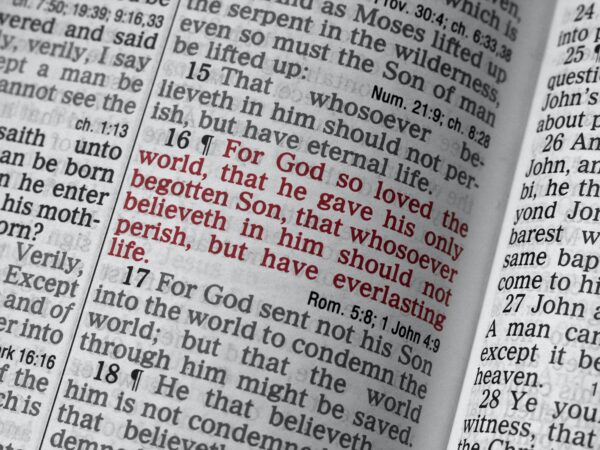
The decoloniality of ‘Jesus the gate’ exists in building communities of love and trust today, emphasising “I am because we are” and in celebrating our relatedness with one another, transcending all barriers of identity.
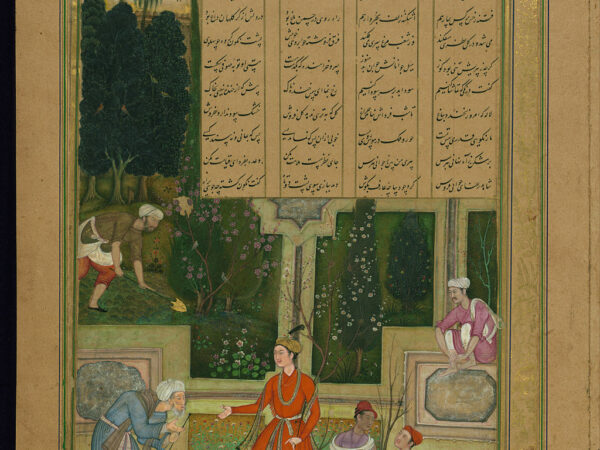
What catalyzed the supra-confessional move in the post-Mongol Persophone zone, and what did it leave in place for the ideologues of Iran’s 1979 revolution—another watershed regularly misattributed to confessional tenets—to cultivate and propagate?
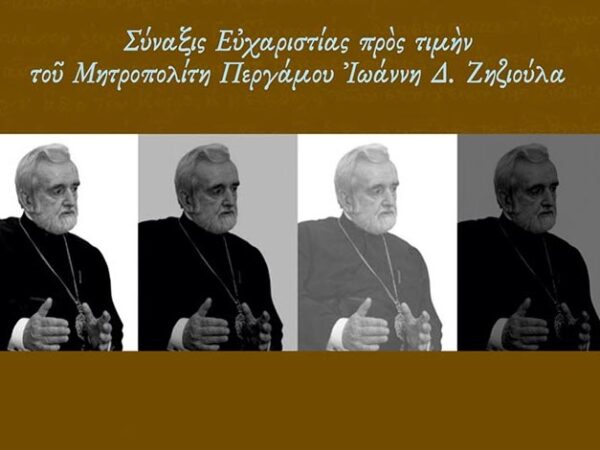
The prominent Eastern Orthodox theologian Metropolitan John D. Zizioulas of Pergamon (Ecumenical Patriarchate) passed in Athens, on February 2, 2023.
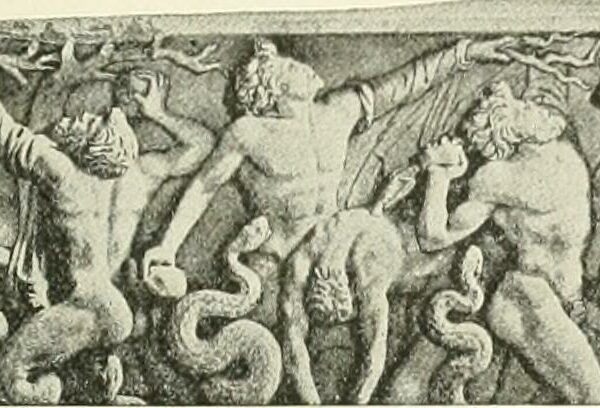
[S]ituating demonology more fully in its religious and theological contexts furnishes resources that not only nuance understandings of movements for whom demonization is central, but also recontextualize discussions of core political theological concepts, including sovereignty, power, economy, subjectivity, and freedom.

Refusal is a strong current resisting the structure of settler colonialism. It crashes, churns, and erodes the death-dealing dams of settler knowing. Its path turns away from the settler’s gaze.
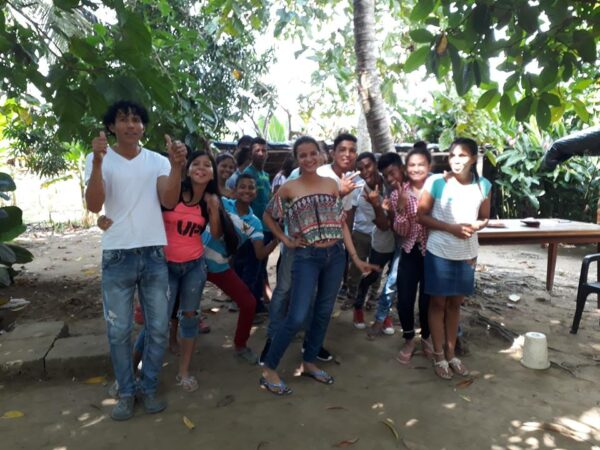
Beyond electoral victories for the nobodies, this is how the systems that produce “nobodies” might be transformed: through nobodies becoming political actors and what Pope Francis calls “social poets of transformation.”
A preliminary question for political theology is how to understand the meaning and significance of matter. The response to this question shapes how a political theology does or doesn’t engage political economy and theological tradition.

The God of Israel does not get so caught up in the national agenda that God neglects the prayers of individuals in pain. The best antidote to politics-as-usual is proper worship. Praising YHWH can keep our feet flat on the floor. As we worship the God who sees and the God who acts on behalf of the downtrodden, we seek to become like God. YHWH, rather than the human powers that be, becomes our model. In worship we become attentive to the things that God attends to, such as the grieving woman whose empty cradle signals an uncertain future.

Abolition is not just about closing prisons. It’s not just about stopping police or closing police departments, but it’s also about abolishing the police in our heads. It’s also about abolishing the prisons in our imaginations that prevent us from thinking about new ways and better ways to treat each other and to keep each other safe.
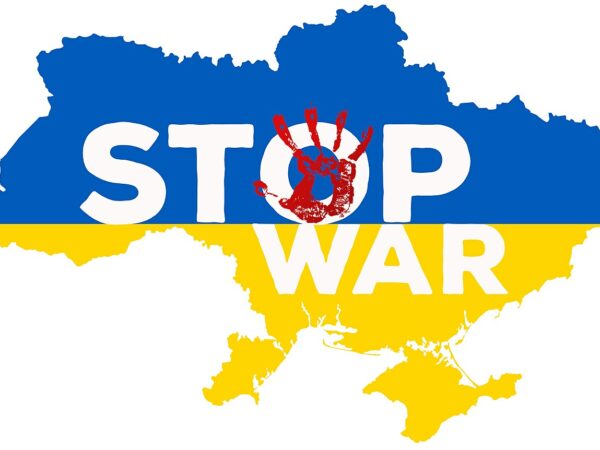
It should be uncontroversial that the Ukrainians have a right to defend their people and their land. However, some have argued that Pope Francis is spearheading a rejection of the just war tradition, replacing it with a thoroughgoing pacifism that would in principle deny this right to the Ukrainian defenders. As an analysis of the Pope’s position, I think this is mistaken.
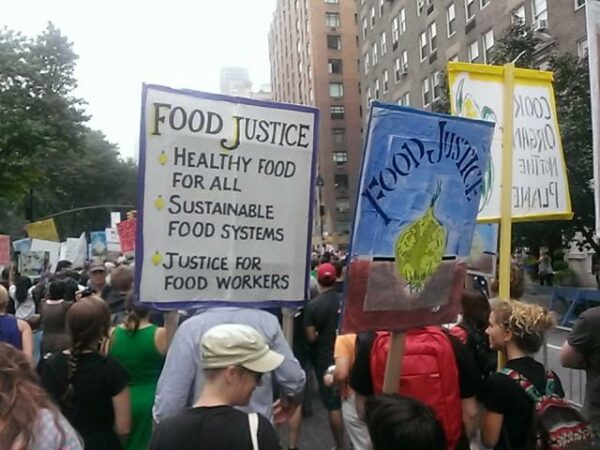
Food sovereignty represents a refusal of a globally commodified food system in favor of systems and institutions that support self-sufficient communities.