
Sin exists in the denial of love and compassion. Where there is justice, there God’s work is seen. It is the absence of love and denial of fellowship with one another that defines sin. Being Christ’s disciple is building a just society by loving one another and creating a safe space for everyone to live in. The Church should be a welcoming place where everyone feels liberated and not judged based on differences or otherness

Everyday life gives us ample opportunity to fulfill all righteousness, at least as far as the gods of global capital are concerned. Building credit, contributing to a 401K plan, purchasing ordinary goods produced through an extraordinary supply chain, we participate in the enchanted world of mammon, in which money defies space and time to make and remake a world that bears its image. But in Matthew’s gospel, Jesus inhabits a different kind of story about God and the world, about empire and capital.

Images of imprisonment appear throughout the Psalter, where the psalmist turns to God as refuge in order to exit the pit of despair. Similar to the life of Omar Ibn Said, and the opera which tells his story, images of shelter and succor help the psalmist escape the abyss of embattlement, imprisonment, or depression, and nurture the attitudes of care, trust, and hope that crest in Psalm 146 and the Hallelujah psalms.

Abolition is not just about closing prisons. It’s not just about stopping police or closing police departments, but it’s also about abolishing the police in our heads. It’s also about abolishing the prisons in our imaginations that prevent us from thinking about new ways and better ways to treat each other and to keep each other safe.

When we attempt to wrest human capital from exploitive, for-profit hands, there will be hell to pay. Does the church have the courage to bear it?

As apostles of Jesus, in the face of hatred and violence, Christians are called to embody a culture of healing and transformation. Being witnesses to the risen Jesus Christ is an existential commitment to pursue justice and practice love.

For those who experience a divine compulsion to publicly resist the perversions of the powerful, despite their own hesitations and fears, Jeremiah may be an encouraging witness to the potential for an experience of divine presence alongside the pain.

Following Jesus the Dao in flesh is to follow the way of liberative freedom, a freedom to embrace the openness of Jesus’s multifaceted witness instead of reductively boxing him in by way of the Logic of the One.
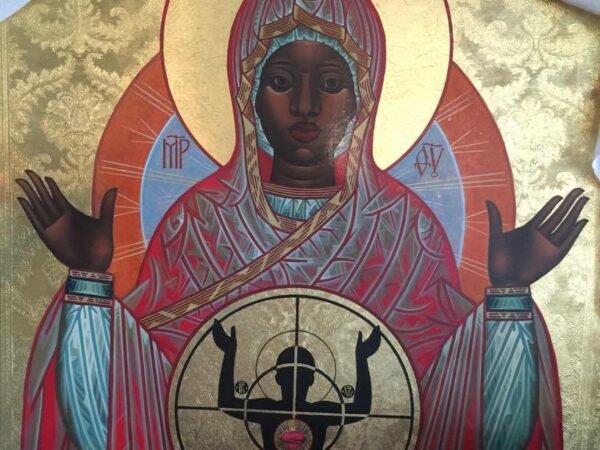
Despite the limited historicity of this text, I like to think that it is the Magnificat, not the fiat, which shows why Mary was the mother of Jesus. It takes a prophet to raise one.
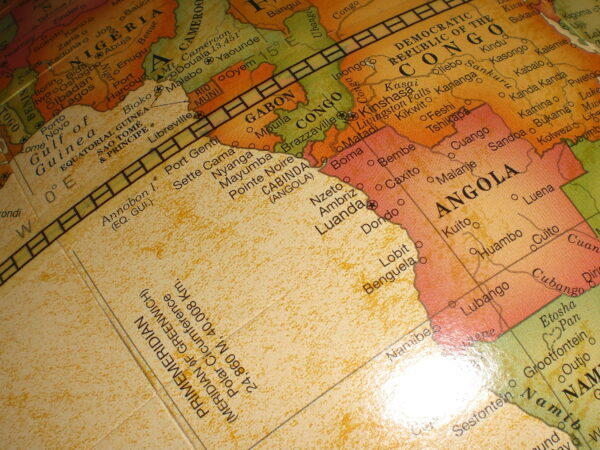
Contemporary African political theologies are a study in contrasts. A prophetic strand challenging unjust politics is alive and well, but so are political theologies that align with unscrupulous politicians and seek wealth at the expense of ordinary people. This dizzying situation raises questions of both substance and method about what African political theology is and how to do it.

Jesus pronounced judgment on the entire system and dismantled it with a whip – modeling for us how to treat egregious distortions of Christian worship that distract from God’s redemptive work. This is not politics “out there,” in the public square, but in house.

Political theology describes a field of research that focuses on the interaction of religion and politics while appreciating the richness of religious traditions as they relate to the foundations of political issues.