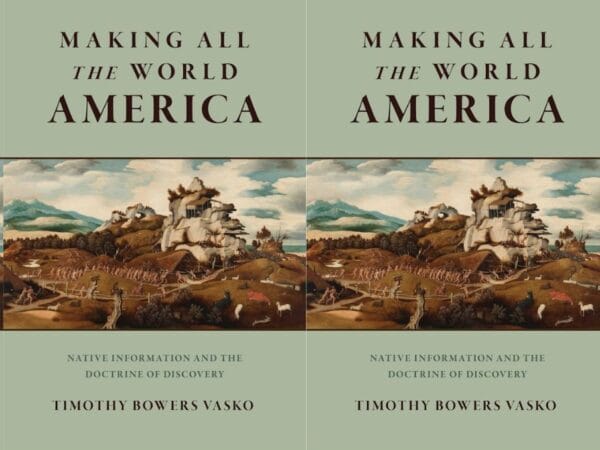
European thinkers in early modernity, John Locke chief among them, looked to Europe’s encounter with Indigenous peoples and pored over the developing body of “native information” to lay the foundation of a political order not derived from Scripture or Church Authority but from presumptively secular natural rights and reason of “the people.”

The White House report on the Smithsonian is not a correction of the historical record but a theology of it, reviving the covenant grammar that once made conquest read as providence. Against its demand for absolution without confession stands the one act that actually costs: returning the dead.

These systemic injustices have a root: the root of a colonial system designed to supplant Indigenous life. They have a genealogy, a history, a process: their ancestor is money and their descendants are death.
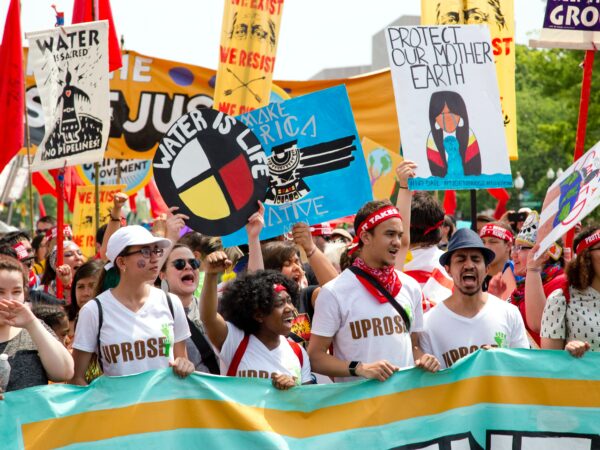
The politics of identity often has Indigenous persons grappling with the dichotomy of US empire’s labels of the Native American Indian as contaminating evil or contaminated victim. For Indigenous Christians Jesus calls on us to spurn these limiting designations, to embrace the spirit of interdependent creation, which brings us back to a family of justice and life.
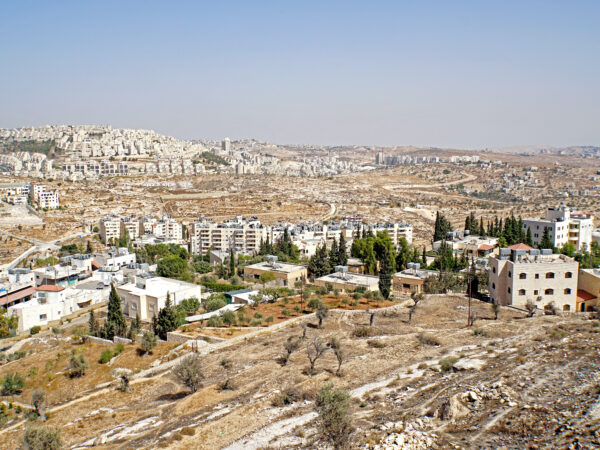
The journal Political Theology will host an event on “Palestine and Political Theology” April 4 at 2pm eastern.
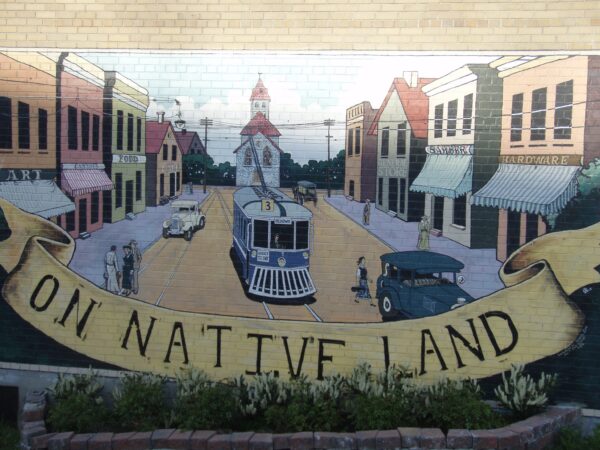
From the perspective of political theology, the presence of Indigenous peoples and settlers shaped by historical and ongoing settler colonial relations raises important political and religious questions about the possibilities and conditions of sovereign Indigenous existence and the (im)possibities and conditions of restorative or reconciled settler futures.

We are left with the possibility that this time of revelation can not only visibilize the harm that colonial relations have wrought but also enable a resurgence of counter practices and lifeways that actively build a new world out of the ashes of this one.

Refusal is a strong current resisting the structure of settler colonialism. It crashes, churns, and erodes the death-dealing dams of settler knowing. Its path turns away from the settler’s gaze.
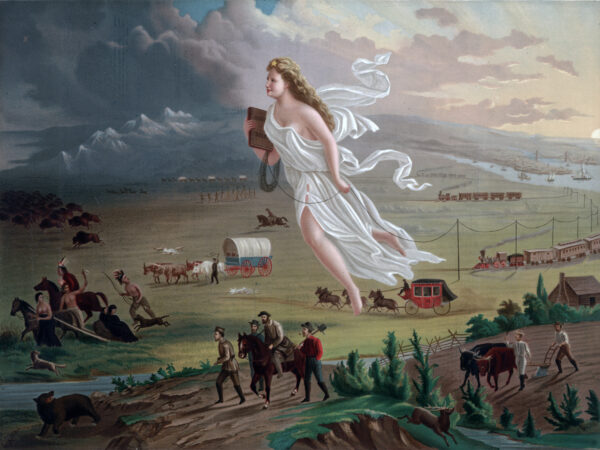
I propose Decolonial Settler Theology as a contextual political theology that is uniquely the task of the settler, who must face their own complicity in narratives of ongoing colonization and aim at their undoing.
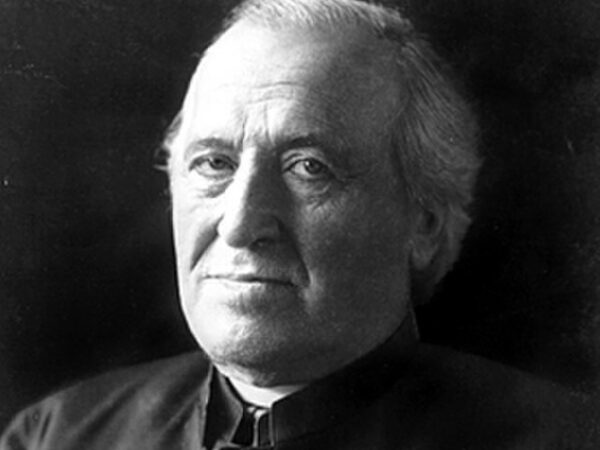
Using the example of nineteenth-century “Americanist” archbishop John Ireland, and his boarding school initiatives in Minnesota, this essay demonstrates how the US Catholic Church came to behave as an American institution by seeking common ground with liberal ideals of freedom, while simultaneously embracing state policing and punishment against populations marginalized from the body politic.
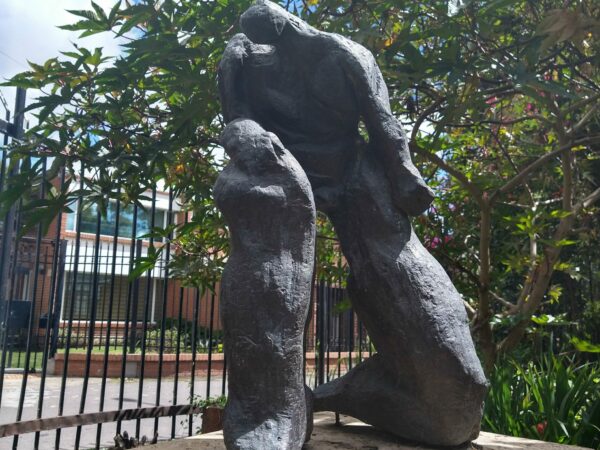
This essay is a backward journey to beginnings, belongings and theological political anxieties.
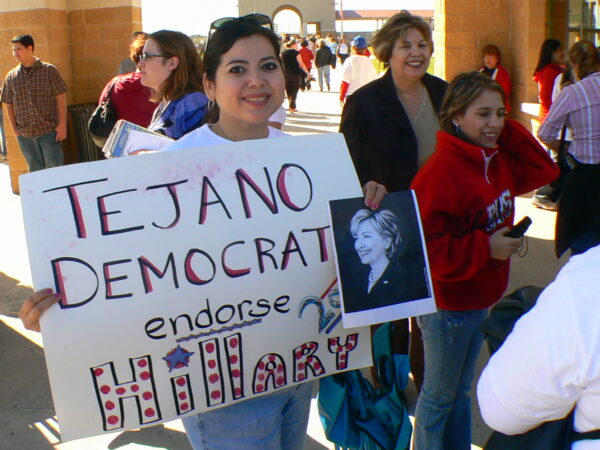
Pentecostals’ political commitments reflect processes of memory and amnesia, assimilation and identity… the stronger the memory of sojourning, migration and exile, the healthier the entrails of compassion for the soujourner’s wellbeing; the greater the distance from the memory of a wandering past, the greater the buy-in to a nationalistic Malthusian ideology that, among other things, paints the sojourner as law-breaking menace to the host society.