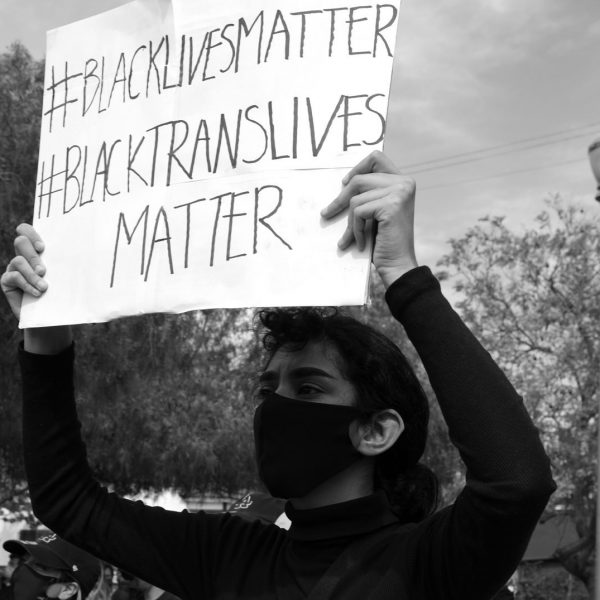
Mothers like Hagar who bear the weight of racism in the wilderness (Genesis 21:14) are always on the verge of losing their children—inferiorized by racist prejudice. These mothers’ voices are crying out, “Do not let me look on the death of the child” (Genesis 21:16).

This biblical text—the “trial” and execution of Jesus—is a text that we who are Christians know so well we may be tempted to skim it. In the same way, we think we know and understand climate change—enough that we can skim the science.

Humans may very well not survive to the end of the century, but in faithfulness to the Creator, between fasting and serving the Garden, hope is alive. The liturgical season of Lent is such a time.
Our political theology is strengthened by trusting that the words of the Son of Man are a fleshly restatement of what is divinely just and good and holy and lovely. Because Christ has come and his presence is with us, God’s words are even more accessible to us.

In following Jesus, they would break the chains of doing things the way they were always done, and they would have a chance to form a new community. But they were to leave behind all the comfort and security.

Biblical stories about baptism are connected to, but also at odds with, historical theology about baptism as well as the current liturgical practices of baptism. Reading Matthew’s account of Jesus’ baptism together with contemporary theologies offers a glimpse of the radical solidarity of Jesus.
*This post originally appeared on the Politics of Scripture January 2, 2017.

Matthew’s careful quotation of Isaiah 60 urges us to perceive that the birth of the poor, brown boy in a back corner of the Roman empire was the dawning of God’s glory upon humanity. Let us, then, celebrate—not with fear and self-preservation, but with confident investment in human flourishing.

We must develop strategies to resist the political deployment of the image of the innocent victim as a tool of further oppression and we must seek to mobilize the image of the innocent victim towards the end of emancipation and liberation.

Joseph knows that this situation with Mary is not about legalities, or honor or shame or what other people may think or say; it is about God bringing Christ to the world. All that matters is God’s call. Joseph honors Mary, and their marriage, this family, as the opportunity God has created to bring hope, salvation to all the world.
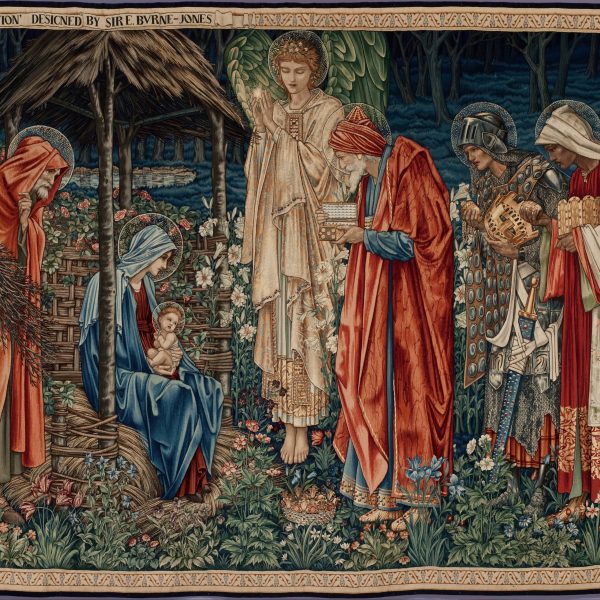
The season of epiphany moves us from a season of indulgence, to a season marked by gift giving that honors God. What kinds of gifts do we give? And how do these gifts honor God by honoring the dignity and agency all of God’s children?

Epiphany is a story of a baby who, in the time of King Herod, despite all the principalities and powers that continue to overpower and oppress in our world, offers a different hope.