
Mapping normative rhythms and their interruptions, recovering voices and paths of antagonism, conjuring counter-plagues: these are the critical imperatives for the riotous times of the present.

My hope this All Saints Sunday is that we would fully and faithfully engage in the realities of life and death, so that those who have gone before us will continue to inspire us to work towards love for those around us in the land of the living.

Readers who insist on interpreting Susan Taubes’s novel Divorcing as a veiled autobiography misunderstand the novel’s radical irony.

What would it mean to take apocalyptic talk as a sign of the times: as revealing, uncovering, and disclosing something basic about the cosmos? Could such talk be the beginnings of an eco-apocalyptic political theology?
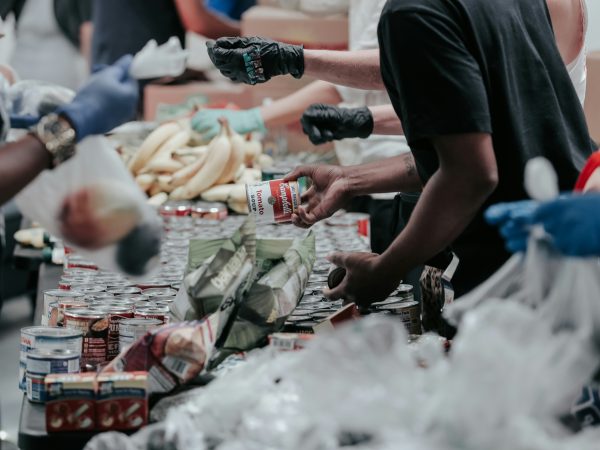
Jesus transfers the miracle of recognition from his disciples recognizing him across an overflowing fish net, to the world’s hungry recognizing Jesus in his disciples in a food bank line or across a soup counter.

Many foundational myths of community formation and development situate “after the storm” as the moment when positive change began to happen for them as a people… Isaiah 53:4-12 can be understood as an act of collective storytelling to imagine life “after the storm.”

Those who presume upon God’s support but act in ways that defy God’s standard will find their presumption turned upside-down in divine disavowal.

The picture painted here, especially by the verses of the Psalm not included in the lectionary reading (Psalm 104:1-23) is an astonishing vision of the ubiquity of the Creator within their creation, directly immersed within the moment-by-moment dance of life in its most intimate, even quotidian – eating, drinking, growing, building, nesting: these are the tasks of home and family. Divine empathy for daily life, in its glorious diversity, for everything that is alive.

As we reflect on what it means to resist vulnerability and consolidate military power, much could be said in connection to our own political moment. Given the proliferation of weapons of war and the investment in such weaponry by nation-states and stakeholders who see buying shares in war-related machinery and technology as a profitable enterprise, the privileging of a good heart—“the LORD looks on the heart”—is a most urgent political posture.

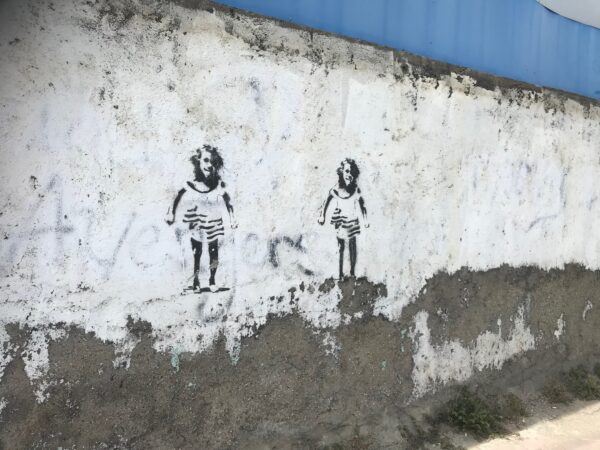
From Myanmar to Mariupol, from the streets of Memphis to the waves and winds of the Mediterranean Sea: resistance to violence takes many forms. So does political protest against precarity. At which point does the unavoidable vulnerability of the living condition come to expression as political agency? Can such precarious politics constitute or configure an alternative community?

Socially, economically, and politically the time of COVID-19 in the Pacific has been a mixed one. In one way it has been apocalyptic (literally an “uncovering” or “unmasking”); truths about the region’s true political economy can no longer be denied. On the other hand, the COVID-19 era has provided opportunities for governments to “mask” and cover up inconvenient truths of the region.