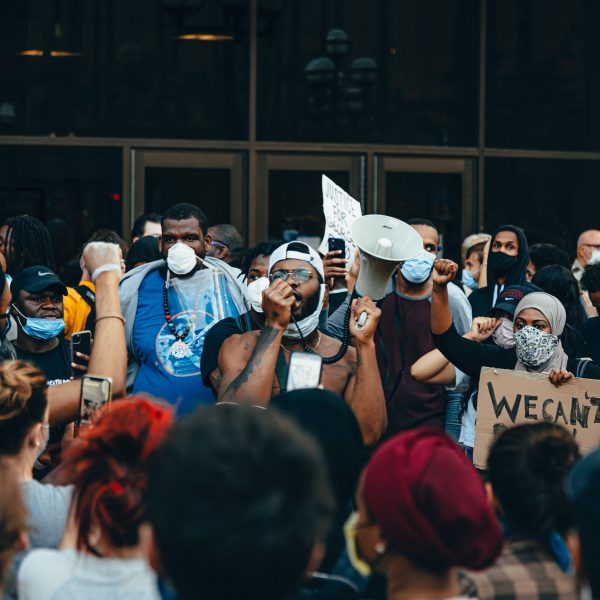
“Seek ye first the political kingdom of God and all these things shall be given unto you.”
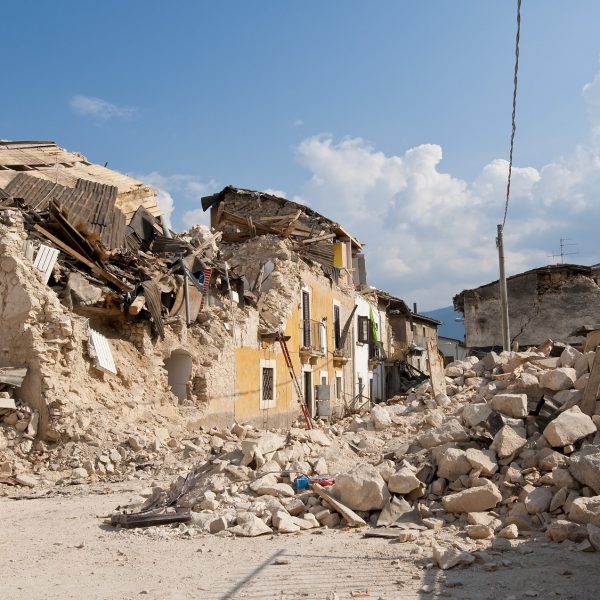
The created heavens and earth–indeed all of God’s creation—are fleeting, temporal, and ephemeral, not permanent like God’s eternal Kingdom. Our worldly kingdoms aren’t completely worthless, but they are penultimate and ought to be despised in contrast to God’s eternal stable Kingdom.
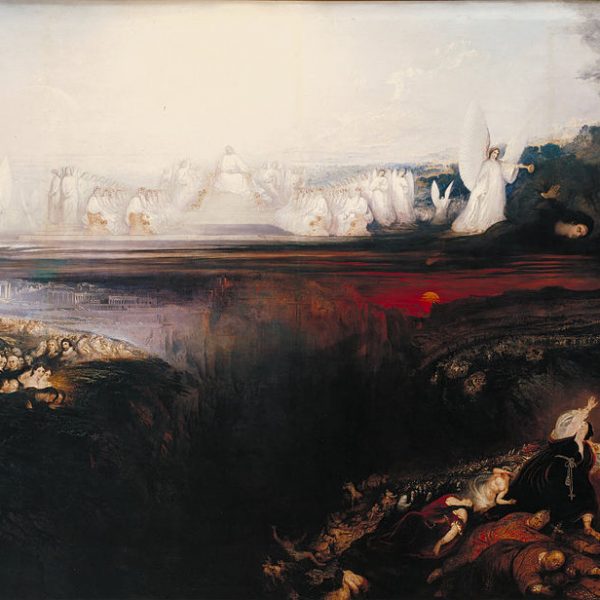
The nearness of God inspires communities to work for justice, for the Son of Man as a co-pilgrim participates in the struggles of the creation.
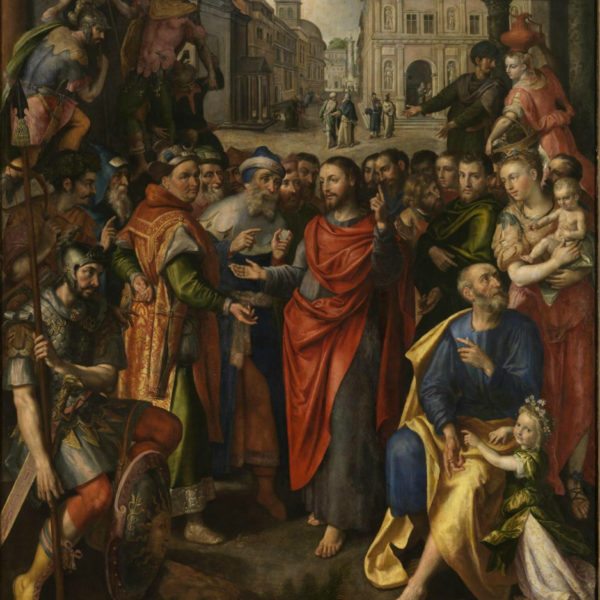
Jesus’ trick answer to the Pharisees concerning the paying of taxes to Caesar speaks to the Christian’s appropriate posture to American Civil Religion, which has been provoked into a fuller revelation of itself by Colin Kaepernick’s protest.
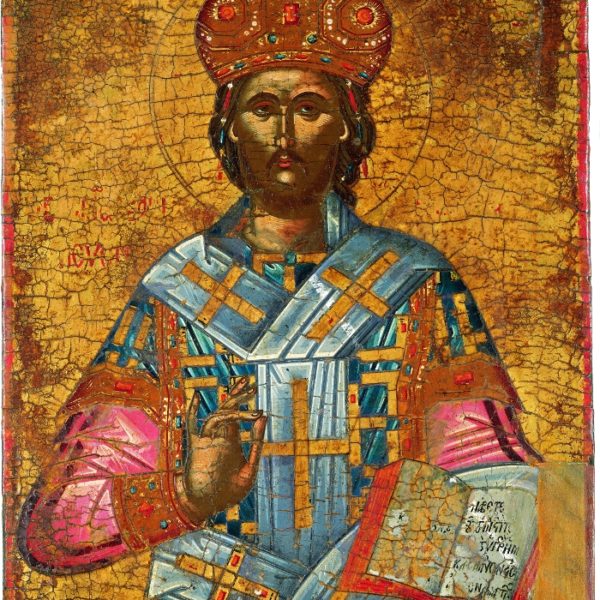
Psalm 8’s presentation of human dominion and politics as a creation of God has significant ramifications for our posture towards the various forms of human rule and authority. The juxtaposition of divinely appointed power and human weakness humbles arrogant ambition, encouraging a spirit of meekness and modest service in our politics.
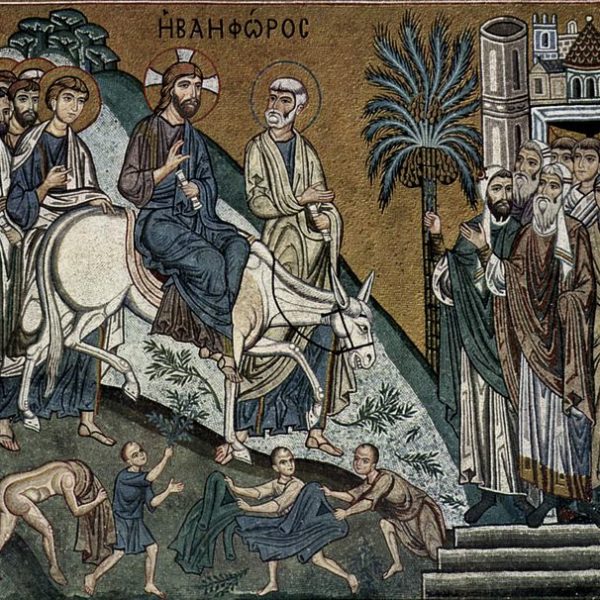
The donkey plays a surprisingly significant role in the history of Israel’s kingdom. Entering into Jerusalem on the back of a colt, Jesus performs a symbolic action that manifests his true identity and the character of his kingdom.
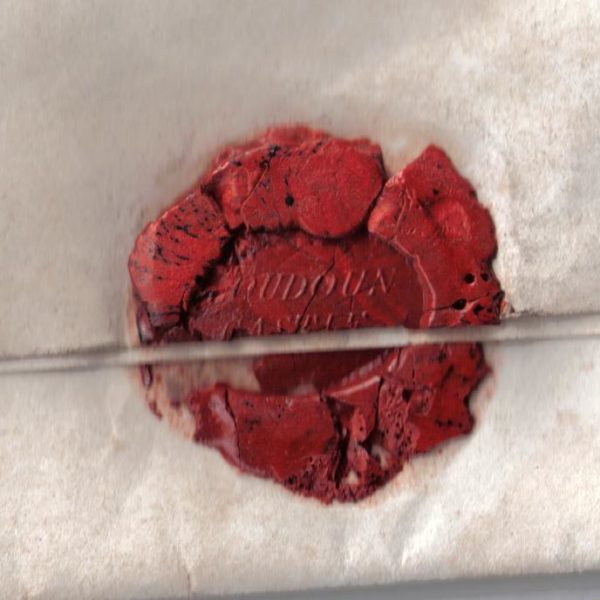
Jesus bears God’s seal of origin, the sign that he is God’s message to humanity. Yet this seal often remains unbroken, the message unreceived.
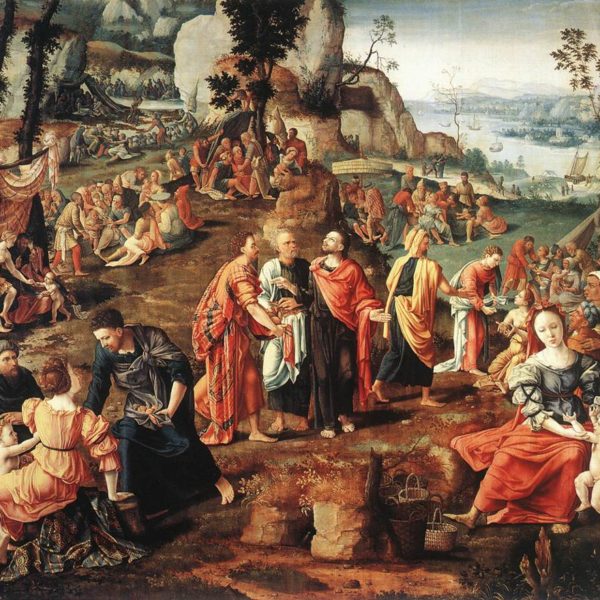
Jesus’s example in resisting the crowd’s desire to make him a king following his feeding of the five thousand is a challenge to a Church that so often pursues political power. It presents us with a vision of a Church characterized by ‘downward mobility’.

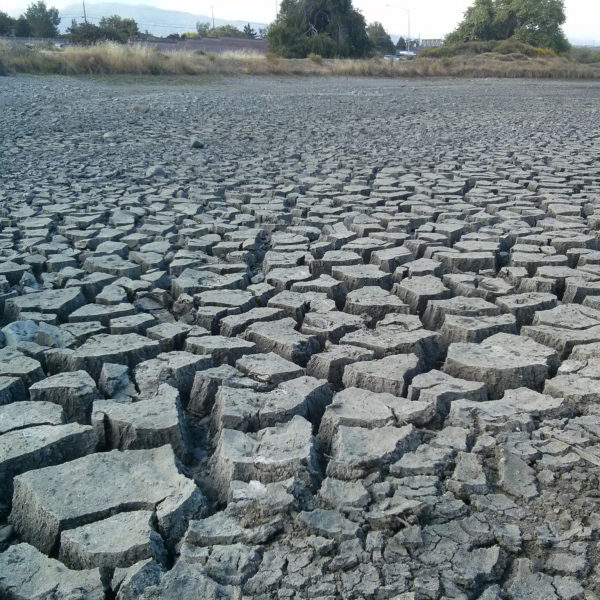
Israel’s experience of thirst in the wilderness should draw our attention to the experience of those for whom thirst and lack of water is a reality of life in our own day. We must identify and address some of the ways in which we are complicit in the forms of injustice that produce such a situation.