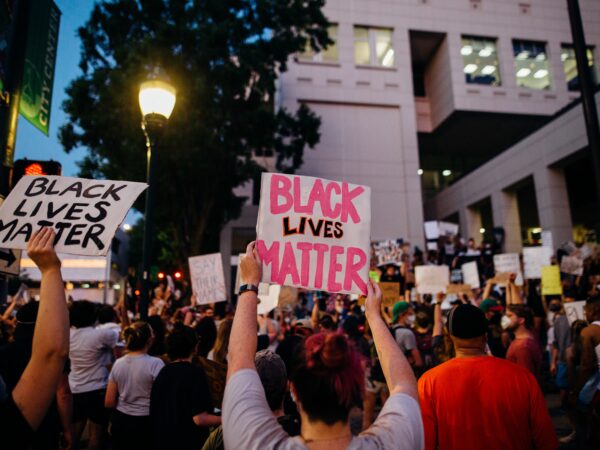
As the Catholic Worker movement confronts anti-Black racism more earnestly, questions arise about whether taking an active anti-racism stance can be reconciled with Catholic Worker anarchism, specifically when dealing with the state.
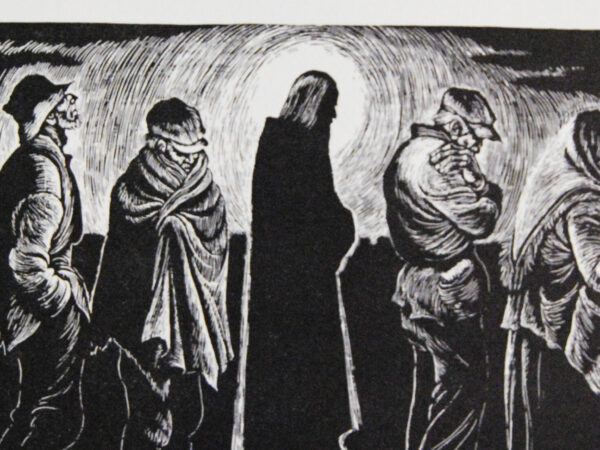
This symposium brings Catholic Workers and scholars together to discuss the future of the Catholic Worker Movement and its political vision of personalist, de-centralized communities that practice the Works of Mercy to create a new world.
What might Catholic critical race theory look like? Or Catholic queer theory? Or theology of immigration that grows out of autoethnography? Or a Catholic Indigenous theological method? Some folks, both inside and outside the church and academy, are already engaging in these conversations and constructions. We will highlight voices responding to questions like these, and more, on this blog in the months to come.
Catholic Re-Visions will publish essays of 1500-2000 words that critically engage Catholic traditions and Catholic-adjacent questions and movements using a variety of approaches, envisioning anew what Catholicism is, implies, and does. Animated by a concern for justice, this blog will spotlight stories, practices, images, concepts, and scholarly debates that enrich our understanding of Catholicism (broadly understood) and politics (broadly understood). Drawing contributors from within and beyond the academy and from within and beyond the Catholic church, we anticipate that authors will challenge readers, troubling our understandings of Catholic pasts and presents, as well as offering new visions for Catholic futures.
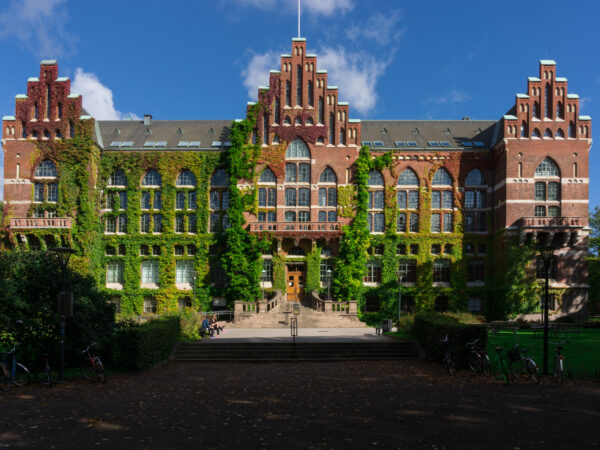
The Political Theology Network Mentoring Initiative will hold this conversation on January 28, 2022 from 1-2:30 PM EST. Please RSVP for the link.

What would it mean for scholarship in political theology to claim monstrosity? Perhaps it would mean focusing on underappreciated aspects of the Christian tradition, and other religious traditions, particularly those developed by women’s intellectual labor.

YHWH invites the people of Judah and Jerusalem to revolt against self-centered government, changing their allegiance from the Persian emperor to YHWH, who is the Lord, the messenger, and the message.

As Talal Asad’s notion of a discursive tradition has become a mainstay in Islamic Studies, how has it contributed to the larger debate on continuity versus rupture? And how does Asad’s anthropologically-informed definition of Islam shed light on the tension between genealogy on tradition?

The Hindu nationalist project is out-and-out an Orientalist one. It is not indigenous. It is inspired almost entirely within a colonial, Orientalist framework of knowledge.

Featuring content from the journal Political Theology on politicaltheology.com, The Brink seeks to challenge our readers’ assumptions about the relationship between religion, theory, politics, and much more.

In Esposito’s most explicit political theology work, he is concerned with re-working, or rather destabilizing, the essence of political theology.

As six emerging scholars met over summer 2021, the overarching theme of the workshop—the state of the field of political theology—presented both an opportunity for and obstacle to meaningful conversation.