
God’s way are qualitatively different from ours, belonging to a different order, relativizing human good and exposing human evil. Isaiah’s vision presents and invites people to God’s way of abundance, mercy, and inclusion from their own ways of scarcity, revenge, and exclusion.
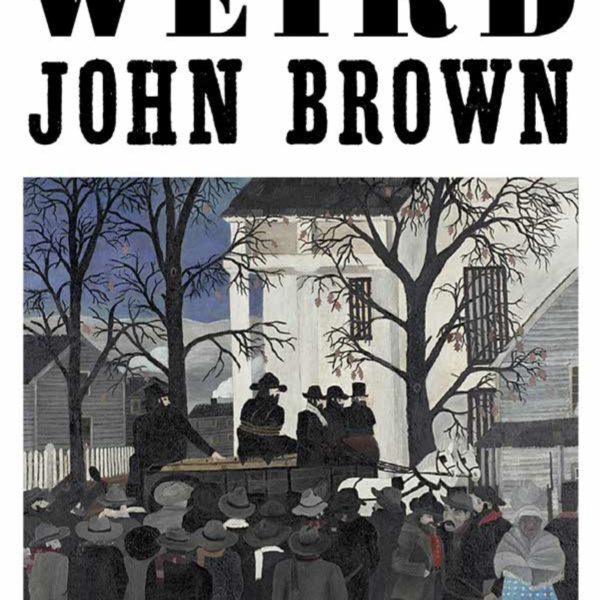
I think that a politics of penitence and repair can disrupt old divisive racial patterns, potentially enabling the emergence of new racial communities not marked by old forms of racial hatred and violence. Smith’s argument for penitence and repair is compelling and I do think that a Christian political theology calls upon us to consider these two important practices. Smith presents a theological discussion of pardon that eventually takes us to repentance and repair when addressing racial wounds.

For the past twenty years the Christian right have been labeled the ‘backbone’ and ‘base’ behind the Republican Party’s electoral successes, a view that deepened with Bush’s consecutive victories in 2000 and 2004. Until recently the alignment between evangelical Christians on the Christian right and the Republican party had gone unquestioned.

The disruptive presence of Nehemiah in spaces that are intended to erase his identity allows for a broader understanding of God’s word. While religious laws may sometimes be exclusionary in their nature, a higher law, one that is grounded in one’s fidelity to God through the way one lives one’s life, allows for radical inclusivity of all before God.

We present some AAR/SBL Annual Meeting 2021 sessions that might be of interest to members of the Political Theology Network.
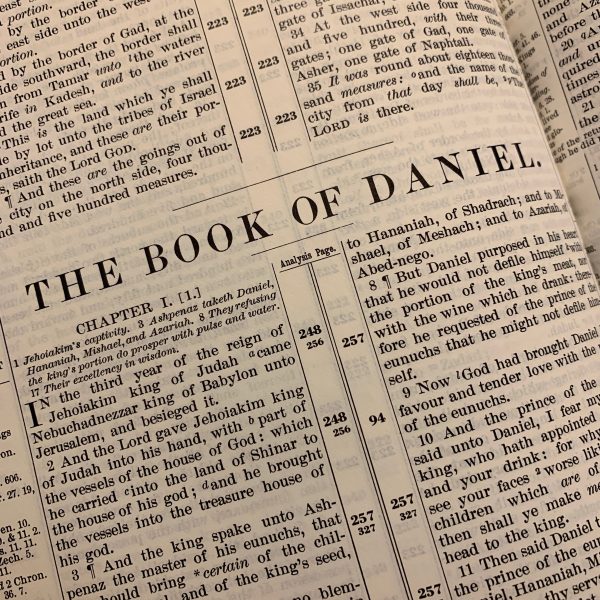
The narrow formulation of the concept of Political Theology as the tracing of Protestant theological categories in contemporary political thought presents some challenge for the historically oriented biblical scholar.
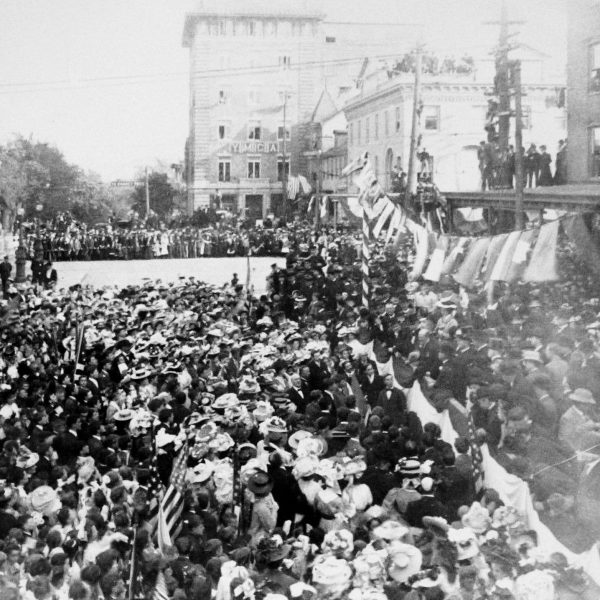
Populism seems to have at least these advantages: it privileges practical reasoning over theoretical; it binds us to place; it recognizes modernity’s political gains; it does not posit reactionary declension narratives; it affirms “common folk;” it avoids elitism…It also gave us President Trump.
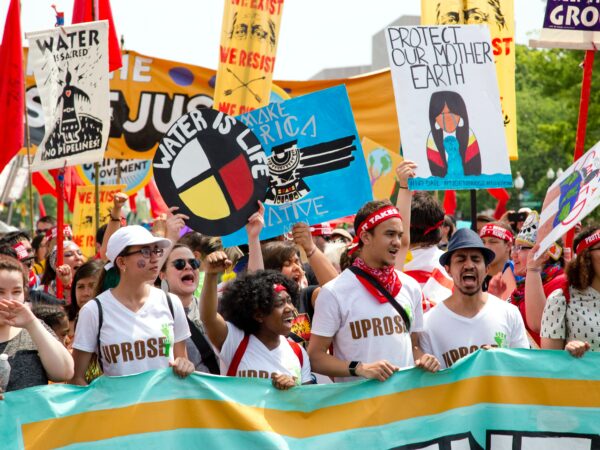
The politics of identity often has Indigenous persons grappling with the dichotomy of US empire’s labels of the Native American Indian as contaminating evil or contaminated victim. For Indigenous Christians Jesus calls on us to spurn these limiting designations, to embrace the spirit of interdependent creation, which brings us back to a family of justice and life.
PTN is moving from a grant-supported network to a membership-supported network. Become a member today and join the conversation.

PTN announces John Boopalan as its new Managing Editor.

In taking of the forbidden fruit in the Garden of Eden, Adam and Eve attempt to gain rule before they are ready to exercise it. Their example may be a cautionary one for a church that too precipitously throws itself into the political arena.