
Since I write from an African Pentecostal theological perspective, I must ask: In what ways can a theology of blindness enable us to rethink the Spirit and Christ within postcolonial imperialism so they are not immediately reduced to spectacle?

Jesus’ call to a ‘let-it-be righteousness,’ awash in basileia imperatives, upends despotic designs. Resistant to rule-following, a let-it-be righteousness confounds and dismantles the 3 P’s of oppressive regimes: propriety, purity, and piety.

Those who presume upon God’s support but act in ways that defy God’s standard will find their presumption turned upside-down in divine disavowal.
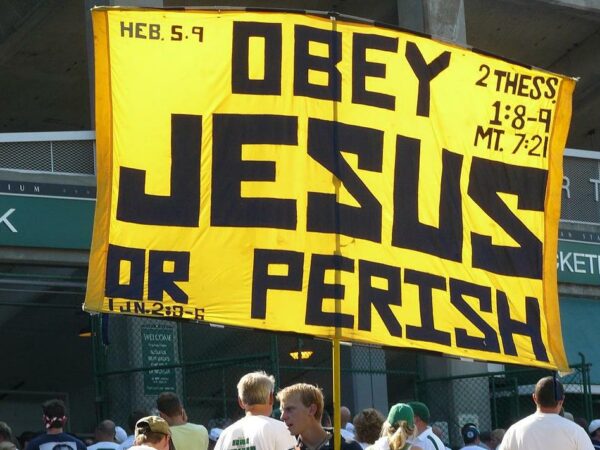
To understand what’s going on today, we need to understand the 400 year story of Christian privilege in America.

When we read of God enthroned as the great king, perhaps we can imagine a system of governance where our political rivals are not beaten into submission, but are disarmed by love; where those who are different from us are respected, listened to, learned from; where brute force is neutralized by a refusal to retaliate and is resisted through active non-violence. Toward this end, God is indeed the great leader, the one who models “power under” for all of us.
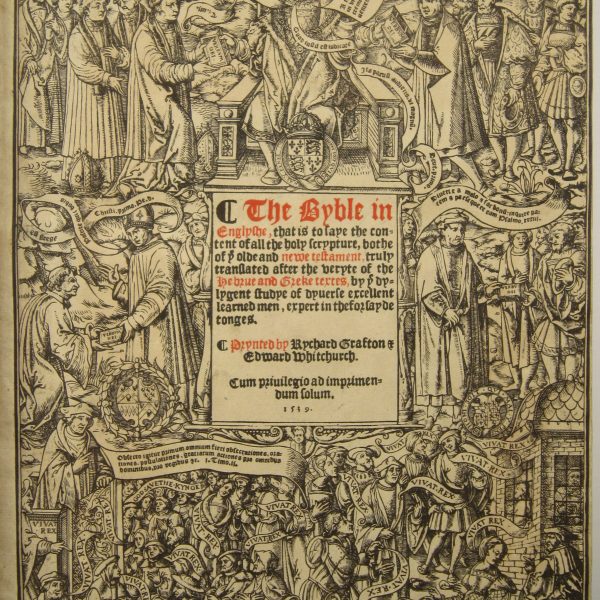
…any consideration of the question of the political implications of naming certain scriptures ‘sacred’ will be severely limited if it is not attentive to sacred scriptures qua material (or digital) books.
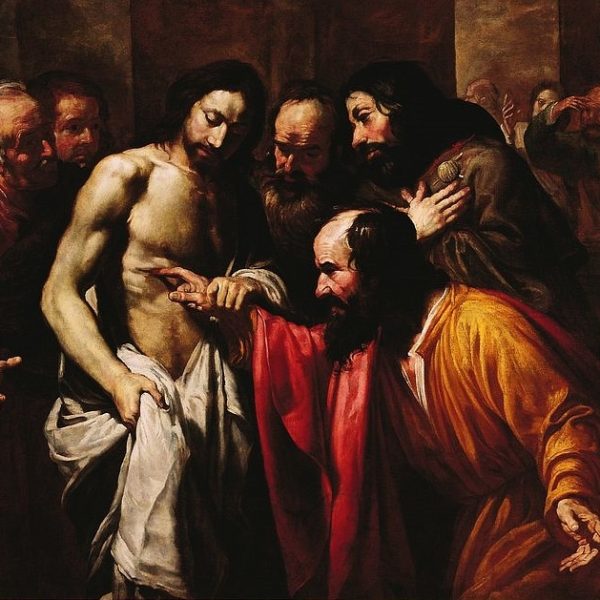
Real faith knows and embraces doubt and questioning. Rather than locking ourselves in, as the disciples first did, we should learn from the curiosity of Thomas. The opposite of faith is not doubt but fear, and it is time to shed our fears.
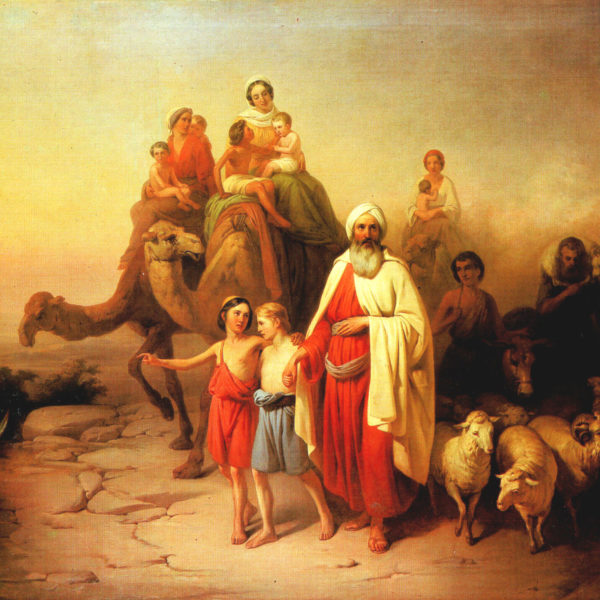
The quest for a homeland and the experience of being a stranger and an alien—a refugee—in the world is central to the calling of the faithful in Hebrews 11. This reality should remain integral to our self-understanding as the people of God today.
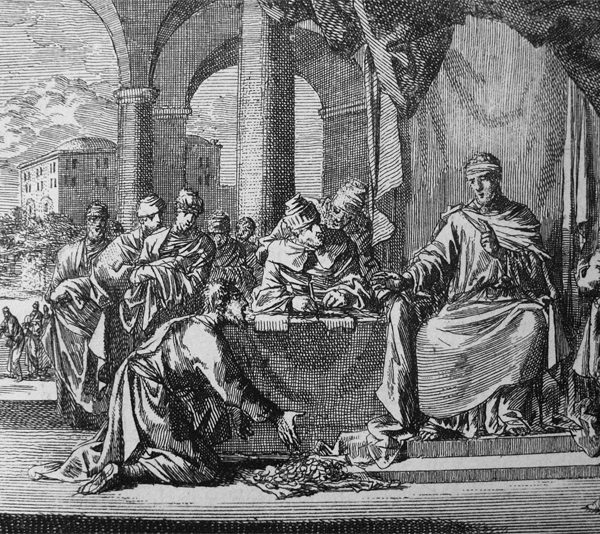
Although a superficial reading might suggest a straightforward interpretation of the Parable of the Talents, closer examination reveals troubling contradictions between this interpretation and the broader teaching of the gospel. Reading it as a descriptive parable of economic injustice provides us with a more satisfying, albeit grim, alternative interpretation.

Our discomfort with the notion of God visiting the sins of parents upon their children may lead us to avoid wrestling with Exodus 20:5-6. This would be a mistake. This reference occurs in the context of the prohibition upon idolatry and challenges both our attempts to sanitize God and our idolization of our children.