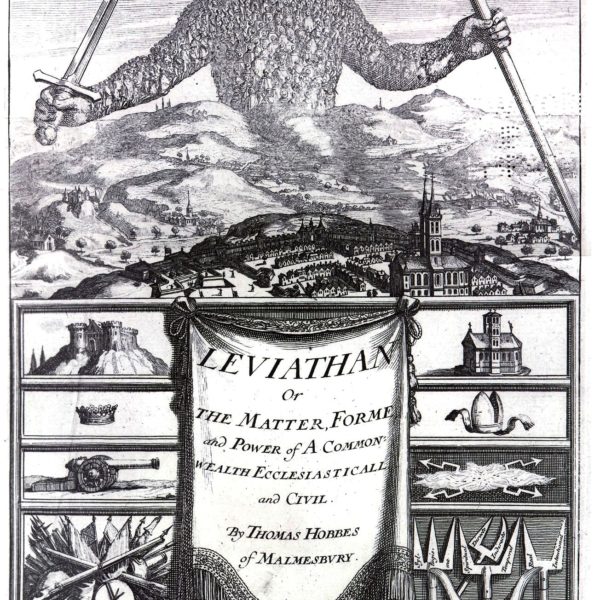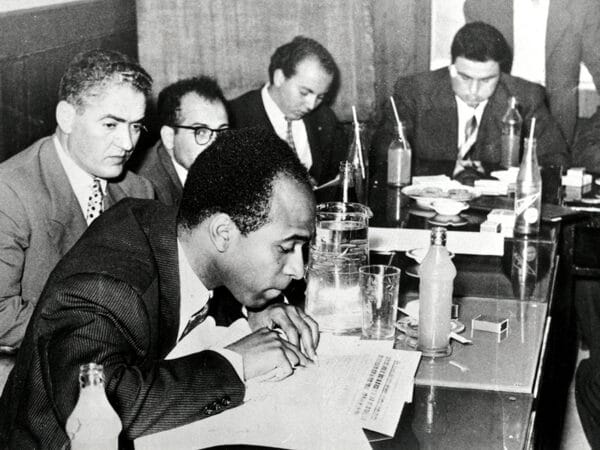
This is the aspect that worries me most: radical logoclasm as the license to violence that can establish itself as a permanent stasis, infinitely delaying the logogenic challenge of creating a new way of speaking.


God’s way are qualitatively different from ours, belonging to a different order, relativizing human good and exposing human evil. Isaiah’s vision presents and invites people to God’s way of abundance, mercy, and inclusion from their own ways of scarcity, revenge, and exclusion.
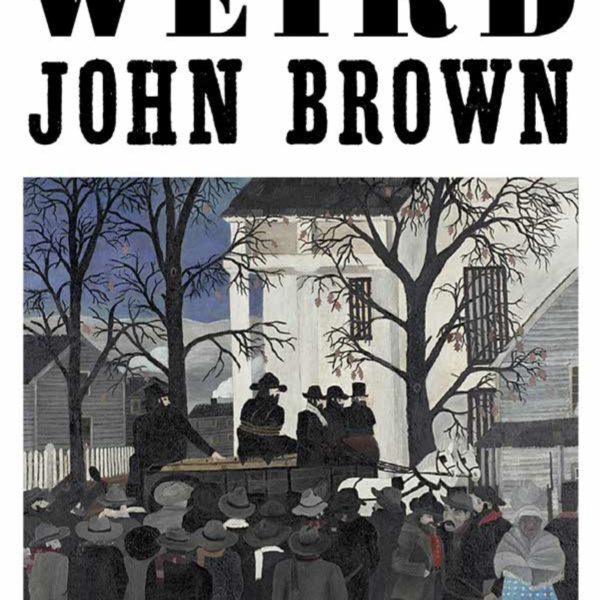
I think that a politics of penitence and repair can disrupt old divisive racial patterns, potentially enabling the emergence of new racial communities not marked by old forms of racial hatred and violence. Smith’s argument for penitence and repair is compelling and I do think that a Christian political theology calls upon us to consider these two important practices. Smith presents a theological discussion of pardon that eventually takes us to repentance and repair when addressing racial wounds.

For the past twenty years the Christian right have been labeled the ‘backbone’ and ‘base’ behind the Republican Party’s electoral successes, a view that deepened with Bush’s consecutive victories in 2000 and 2004. Until recently the alignment between evangelical Christians on the Christian right and the Republican party had gone unquestioned.

This week, the Politics of Scripture Blog is partnering with “First Reading” an Old Testament lectionary podcast, co-hosted by one of our blog’s editors, Tim McNinch.

During the Christian, liturgical season of Lent, essays on the Politics of Scripture will reflect on the intersection between the lectionary texts and climate change.
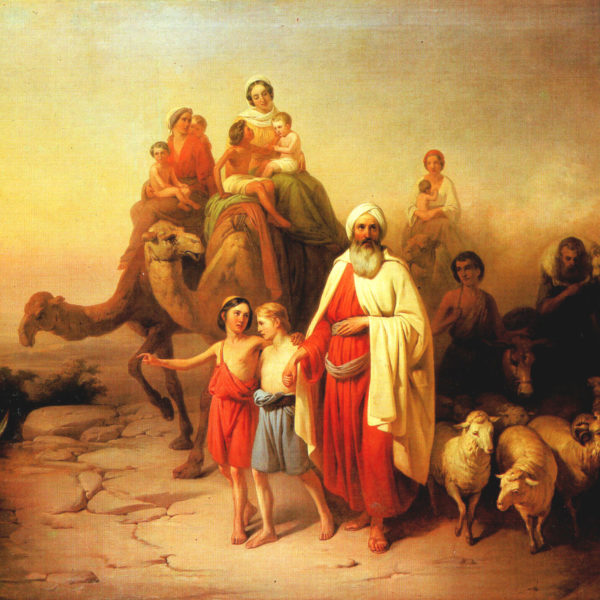
The quest for a homeland and the experience of being a stranger and an alien—a refugee—in the world is central to the calling of the faithful in Hebrews 11. This reality should remain integral to our self-understanding as the people of God today.
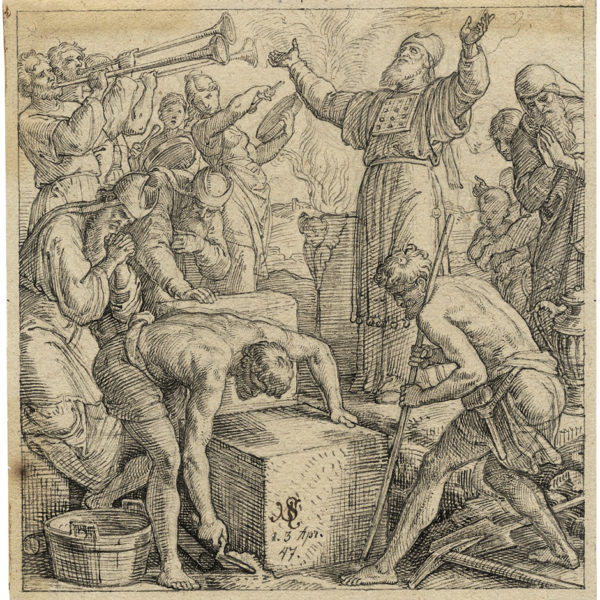
Christian political witness must be built around and declare Christ as the great eschatological stone laid by God. He must either be approached as the stubborn obstacle, arresting the development of all idolatrous political visions, or as the chief cornerstone, the sure and solid basis from all else can take its bearings.