
The word mystic-politics (misticopolitca) is meant to indicate a field of experience that can no longer be contained in rigid compartments. It indexes on one hand mysticism and its internalizations, while on the other politics and its activism.

What would it look like to consider identity-based oppressions—queer marriage blessings and women’s ordination—as interrelated symptoms of a need for structural, ecclesial changes?

…placing the feeling of exhaustion as the central organizing principle hails a subject as experienced and expressed through divisions and differences
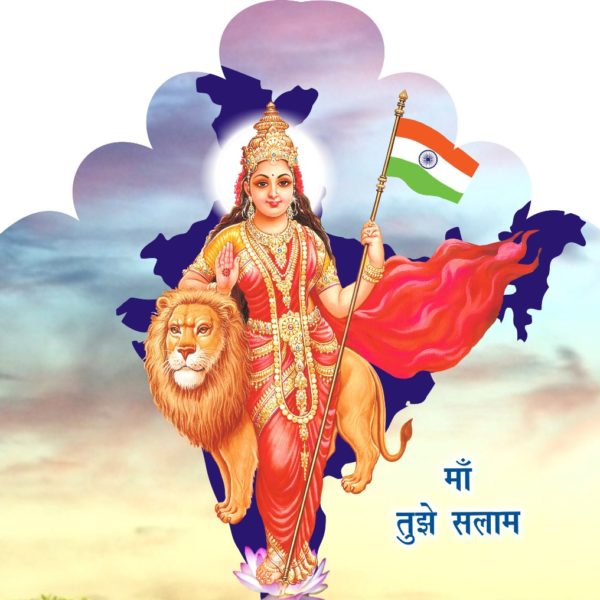
In May 2014, Indian Prime Minister Narendra Modi travelled to the riverside holy city of Varanasi to worship mother goddess Ganges in gratitude for his victory in the national elections. This grand self-promotional gesture by a prominent Hindu nationalist politician illustrates how religion and politics remain enmeshed in India. Even though the democratic constitution of the nation-state has been modeled on western varieties of secularism, everyday politics is infused with religious iconographies.
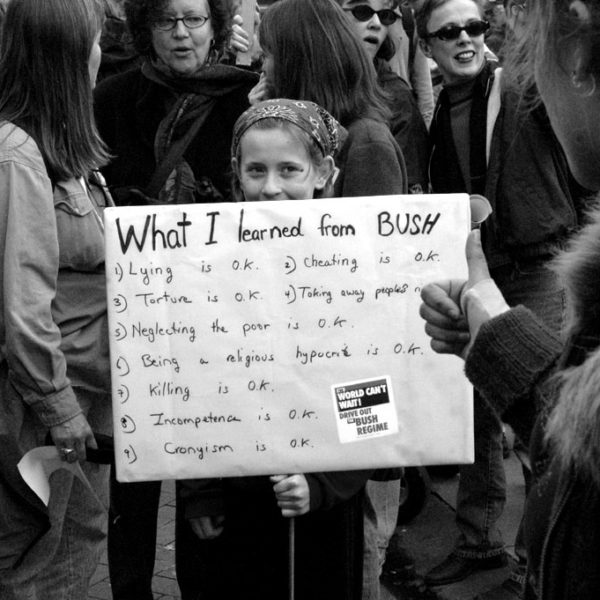
So what do the findings I have shared indicate for the future of the Christian right? They demonstrate despite the Republicans recent 2014-midterm results, that millennial Christians are more ambivalent about politics than their parents. According to Pew Research, millennial turnout in 2014 was down 6 points on the 2012 Presidential election, whilst there was 6 point increase amongst baby boomers aged 50-68. Older white Christian males swung the election in the GOP’s favour. Though this temporarily bodes well for GOP-Christian right relations, it is clear that there will be a significant age-gap problem very soon, for partisan ties are very much weaker amongst millennials.
Hollywood and academia may not often be thought of in one breath, but they do share some things, not the least being a hyperventilating and parochial culture of celebrity. Having been in this business now for a few of these cycles, I’ve seen ‘em come and I’ve seen ‘em go. Which figures are selected to be smiled upon by the fame machine seems almost random, a matter of tuche, the semi-theological bad luck of those who are selected, by a blind fate, or an erratic Greek deity. The perduring and valuable work of genuine scholars mounts in height and depth gradually over decades, chiseled out of serious matter, and their import is often recognized only in retrospect, late in a career or after the author is dead. Others—the academic version of one hit wonders—flash up in an instant, are talked about—though not as often talked to, and still less often carefully read—for a frenzied spasm of a few years, then are dropped like an empty foil bag of chips, left to blow heedlessly among the trees in the groves of academe, or to wander the halls of academic conferences, for decades to come.
I’m afraid, but I’m quite sure, that the work of Agamben falls into the celebrity category. […]

Scripture invites those who thirst today, such as those traversing the Sonoran desert in the hope of a liveable existence, to raise their voice in protest, to insist that their human value be recognized. And it invites those of us who have plenty to amplify that complaint, to set aside the anxieties of those seeking to maintain lopsided power and position, and partner with the Divine.
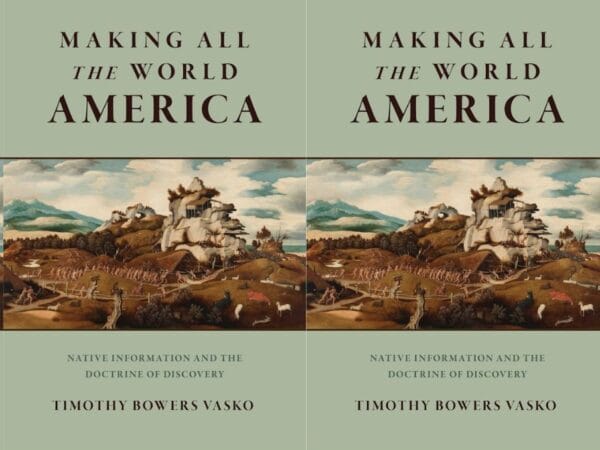
European thinkers in early modernity, John Locke chief among them, looked to Europe’s encounter with Indigenous peoples and pored over the developing body of “native information” to lay the foundation of a political order not derived from Scripture or Church Authority but from presumptively secular natural rights and reason of “the people.”

Those of us who weep with Mary also hear the assignment she was given–to turn to her community and remind them of the unconquerable truth of God’s love.
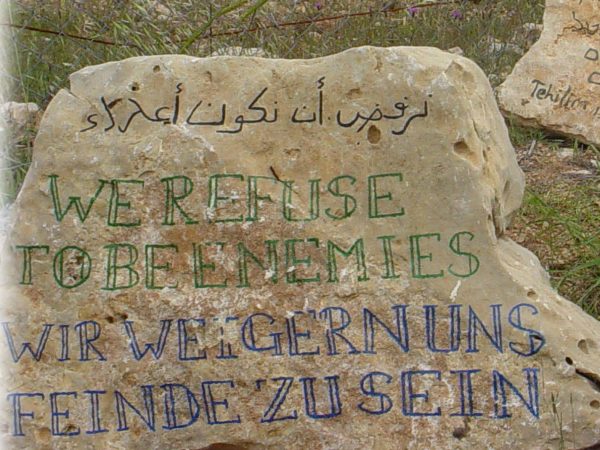
Nonviolence presses us to face and points us toward the challenge of integrating charity and respect for human dignity into our practice of addressing entrenched social injustice.

When, despite Scripture, unscrupulous officials continue to “oppress the hired workers in their wages, the widow, and the orphan” and “thrust aside the alien,” and a plurality of white, evangelical Christian voters endorse this behavior, how might other believers keep up faith and hope in a Gospel order that upholds justice?

At first, as I read Psalm 26, the words do not fit neatly on my tongue. I would like to know the story of this indignant plaintiff who so angrily proclaims their integrity in sharp contrast to evildoers and hypocrites.